top-malaria-doctor-mumbai

Best Malaria Treatment Doctor in Mumbai

  Malaria remains one of the world’s most devastating infectious diseases, despite decades of global control efforts. It is a life-threatening illness caused by parasites of the genus Plasmodium, transmitted through the bite of infected female Anopheles mosquitoes. The World Health Organization (WHO) estimates that in 2023, there were approximately 249 million cases of malaria worldwide, resulting in 608,000 deaths, mostly among children in sub-Saharan Africa. Effective control of malaria requires a clear understanding of how it spreads, its clinical features, timely diagnosis, appropriate treatment, and robust prevention strategies. This blog provides a comprehensive overview of these key aspects. Transmission of Malaria: Malaria is transmitted through the bite of an infected female Anopheles mosquito. These mosquitoes are most active between dusk and dawn. When a mosquito bites an infected individual, it ingests blood containing malaria parasites (usually gametocytes). The parasites undergo development in the mosquito’s midgut and migrate to its salivary glands. When the infected mosquito bites another person, it injects sporozoites into the bloodstream, which quickly migrate to the liver. Here they mature and multiply. After a period of 7 to 30 days, the parasites re-enter the bloodstream, infect red blood cells, and initiate the clinical phase of malaria. Less common transmission modes: 1. Congenital malaria (mother to fetus) 2. Blood transfusion from an infected donor 3. Organ transplantation 4. Needle-sharing among intravenous drug users Causative parasites: There are five known Plasmodium species that cause malaria in humans: 1. P. falciparum (most severe and deadly) 2. P. vivax (relapsing, widely distributed) 3. P. ovale (relapsing, less common) 4. P. malariae (chronic, less severe) 5. P. knowlesi (zoonotic, reported in Southeast Asia) Symptoms of Malaria: Malaria symptoms typically appear 10–15 days after the infective mosquito bite. Early recognition is crucial as delayed treatment, especially for P. falciparum, can lead to severe complications and death. Common symptoms: 1. Fever (often cyclical — every 48 or 72 hours, depending on species) 2. Chills and rigors 3. Headache 4. Sweats 5. Fatigue 6. Muscle aches 7. Nausea and vomiting Other possible symptoms: 1. Abdominal pain 2. Diarrhea 3. Cough 4. Anemia 5. Jaundice (yellowing of skin and eyes) Severe malaria features (medical emergency): 1. Altered mental status / coma (cerebral malaria) 2. Severe anemia 3. Respiratory distress 4. Acute kidney injury 5. Bleeding / coagulation abnormalities 6. Shock Pregnant women, children under 5, and immunocompromised individuals are at higher risk of severe malaria. Diagnosis of Malaria: Prompt and accurate diagnosis is essential for appropriate treatment and to prevent complications. Microscopic examination: 1. Thick and thin blood smears stained with Giemsa remain the gold standard. 2. Thick smears are used for detecting the presence of parasites. 3. Thin smears help identify the specific species of Plasmodium. Rapid diagnostic tests (RDTs): 1. Detect parasite antigens in blood using a lateral flow immunoassay. 2. Useful in settings where microscopy is unavailable. 3. Results in 15–30 minutes. 4. Cannot quantify parasitemia or always identify species. Molecular methods: Polymerase Chain Reaction (PCR) can detect low-level parasitemia and mixed infections. Mainly used in research and reference laboratories. Serology: 1. Detects antibodies to malaria parasites. 2. Not useful for diagnosing acute infections but helpful in epidemiological studies. Important note: Malaria is a medical emergency — in febrile travelers returning from endemic regions, malaria must always be ruled out urgently. Treatment of Malaria: Treatment depends on the infecting species, disease severity, patient’s age, pregnancy status, and drug resistance patterns in the region. Treatment of uncomplicated malaria: Artemisinin-based combination therapies (ACTs) are the first-line treatment for P. falciparum: Artemether-lumefantrine Artesunate-amodiaquine Artesunate-mefloquine Dihydroartemisinin-piperaquine For P. vivax, P. ovale, and P. malariae, ACT is also used, followed by primaquine to eliminate liver hypnozoites and prevent relapses. Treatment of severe malaria: Intravenous artesunate is the treatment of choice. If unavailable, IV quinine or quinidine may be used. Supportive care includes: 1. Fluid and electrolyte management 2. Blood transfusion if required 3. Management of complications (renal failure, seizures, etc.) Special populations: Pregnant women: quinine + clindamycin (first trimester) or ACT (second and third trimesters). Children: weight-based dosing of ACT. Resistance is a major challenge — resistance to chloroquine and artemisinin has emerged in parts of Southeast Asia, necessitating surveillance and careful drug selection. Prevention of Malaria: Prevention is crucial, especially in endemic regions and for travelers. Vector control: 1. Insecticide-treated bed nets (ITNs): One of the most effective tools to reduce malaria transmission. 2. Indoor residual spraying (IRS): Periodic application of insecticides to walls inside homes. 3. Environmental measures: Larval source management, clearing breeding sites. Personal protection: Wearing long-sleeved clothing after sunset. Applying insect repellents (DEET, picaridin). Using screened windows and doors. Chemoprophylaxis (for travelers to endemic areas): Atovaquone-proguanil Doxycycline Mefloquine Choice depends on destination, drug tolerance, and individual health factors. Vaccination: The RTS,S/AS01 (Mosquirix) vaccine has been approved for children in certain high-burden African countries. Ongoing research is underway for more effective vaccines. Public health strategies: Prompt diagnosis and treatment of cases to reduce the reservoir of infection. Surveillance and rapid response to outbreaks. Health education and community participation. Conclusion: Malaria continues to pose a significant global health burden, especially in tropical and subtropical regions. However, with early diagnosis, effective treatment, and robust preventive measures, it is a disease that can be controlled — and eventually eliminated. Healthcare professionals must maintain a high index of suspicion for malaria, especially in febrile patients returning from endemic areas. Equally, educating communities, ensuring vector control, and promoting preventive strategies are key to reducing malaria transmission. With coordinated global efforts and advancing scientific innovations such as vaccines and novel treatments, the goal of “zero malaria” is within reach — but sustained vigilance and commitment remain essential.

Best Malaria Treatment Doctor in Mumbai Read More »

travelers-diarrhea

Traveler’s Diarrhea: A Complete Guide for Globetrotters

Traveling opens doors to new cultures, foods, and unforgettable experiences. But sometimes, those culinary adventures can lead to an unwelcome detour—traveler’s diarrhea (TD). Affecting millions of international travelers each year, this common illness can disrupt your itinerary and affect your health. Understanding its causes, symptoms, and how to prevent or treat it can help you stay healthy while exploring the world. What Is Traveler’s Diarrhea? Traveler’s diarrhea is a digestive tract disorder characterized by frequent, loose stools often accompanied by other gastrointestinal symptoms. It typically occurs after consuming contaminated food or water while visiting regions with inadequate sanitation practices. While not usually life-threatening, it can lead to dehydration, fatigue, and lost travel time. Causes: The primary cause of traveler’s diarrhea is the ingestion of harmful microorganisms present in food or water. These include: 1. Bacteria (most common) • Enterotoxigenic Escherichia coli (ETEC) – responsible for up to 60% of cases. • Campylobacter jejuni • Shigella • Salmonella 2. Viruses • Norovirus – especially common on cruise ships or group tours. • Rotavirus – more common in children. 3. Parasites • Giardia lamblia • Entamoeba histolytica • Cryptosporidium These organisms contaminate food or drinks through unclean handling, improper cooking, or use of contaminated water sources. Transmission: Traveler’s diarrhea is typically acquired through: • Contaminated food or beverages – street food, raw fruits or vegetables, undercooked meat or seafood. • Unclean water – tap water, ice cubes, or drinks diluted with local water. • Poor hand hygiene – touching the mouth after handling infected objects or surfaces. Regions with high risk include parts of Asia, the Middle East, Africa, Mexico, and Central and South America. Symptoms: Symptoms usually begin within 6 to 48 hours after consuming contaminated food or water and may include: • Frequent loose or watery stools (≥3 per day) • Urgent need to defecate • Abdominal cramps and bloating • Nausea or vomiting • Fever (mild to moderate) • Fatigue • Dehydration symptoms – dry mouth, dizziness, low urine output Symptoms typically resolve within 3 to 5 days, but may last longer in cases involving parasites. Diagnosis: Most cases are mild and self-limiting, so no laboratory tests are needed. However, in severe or prolonged cases, stool analysis or cultures may be done to identify the specific pathogen and guide treatment. Seek medical attention if: • Diarrhea persists more than 7 days • There is blood in stools • High fever (>101°F/38.5°C) • Severe abdominal pain • Signs of dehydration • Diarrhea occurs in a child, elderly, or immunocompromised person Treatment: 1. Hydration is Key • Oral rehydration solutions (ORS) are recommended to replace fluids and electrolytes. • In mild cases, clear fluids (broths, diluted fruit juice) may suffice. • Avoid caffeine and alcohol, which worsen dehydration. 2. Dietary Management • Follow the BRAT diet (Bananas, Rice, Applesauce, Toast) during recovery. • Avoid dairy, fatty, or spicy foods. 3. Medications • Antidiarrheal agents: o Loperamide (Imodium): Can reduce stool frequency in mild-moderate cases. o Avoid in cases of bloody diarrhea or high fever. • Antibiotics: o Prescribed in moderate to severe cases or when symptoms interfere with travel plans. Common choices include: ▪ Azithromycin (especially in Asia due to resistance to other drugs) ▪ Ciprofloxacin or Levofloxacin (fluoroquinolones) ▪ Rifaximin (non-absorbed, good for ETEC-related diarrhea) • Antiparasitics: o Required in persistent or parasitic infections. o Examples: Metronidazole or Tinidazole for giardiasis. Always consult a healthcare provider before starting antibiotics. Prevention: Prevention is the most effective approach, especially for those with weakened immunity or chronic conditions. Follow these steps: 1. Food Safety • Eat foods that are thoroughly cooked and served hot. • Avoid street food unless it’s cooked in front of you. • Say no to raw or undercooked meat, seafood, and eggs. • Avoid unpasteurized dairy products. 2. Water Safety • Drink bottled or boiled water only. • Avoid ice cubes in drinks. • Use bottled water for brushing teeth. • Avoid fountain drinks or tap water. 3. Hand Hygiene • Wash hands frequently with soap and water. • Use alcohol-based hand sanitizers (≥60% alcohol) when soap isn’t available. 4. Prophylactic Measures • Pepto-Bismol (bismuth subsalicylate): Can reduce risk if taken prophylactically, but not for long-term use. • Antibiotic prophylaxis: Generally not recommended except for high-risk travelers under medical advice. Who Is at Higher Risk? • Immunocompromised individuals (e.g., HIV, cancer, transplant recipients) • People with chronic diseases (e.g., diabetes, IBD) • Children and older adults • Travelers visiting friends and relatives in high-risk countries When to See a Doctor: While traveler’s diarrhea is often mild, see a doctor if: • Symptoms persist >5–7 days • You develop blood in stools • You experience signs of dehydration • Symptoms worsen despite initial treatment Prompt treatment can prevent complications and get you back to enjoying your journey. Conclusion: Traveler’s diarrhea is an unpleasant yet common issue that can dampen any adventure. With the right preventive strategies, careful food and water choices, and prompt treatment when needed, you can minimize its impact. Staying informed and prepared means you’ll spend more time exploring and less time recovering. Bon voyage and safe travels!

Traveler’s Diarrhea: A Complete Guide for Globetrotters Read More »

dengue-treatment-doctor-mumbai

Best Dengue Treatment Doctor in Mumbai

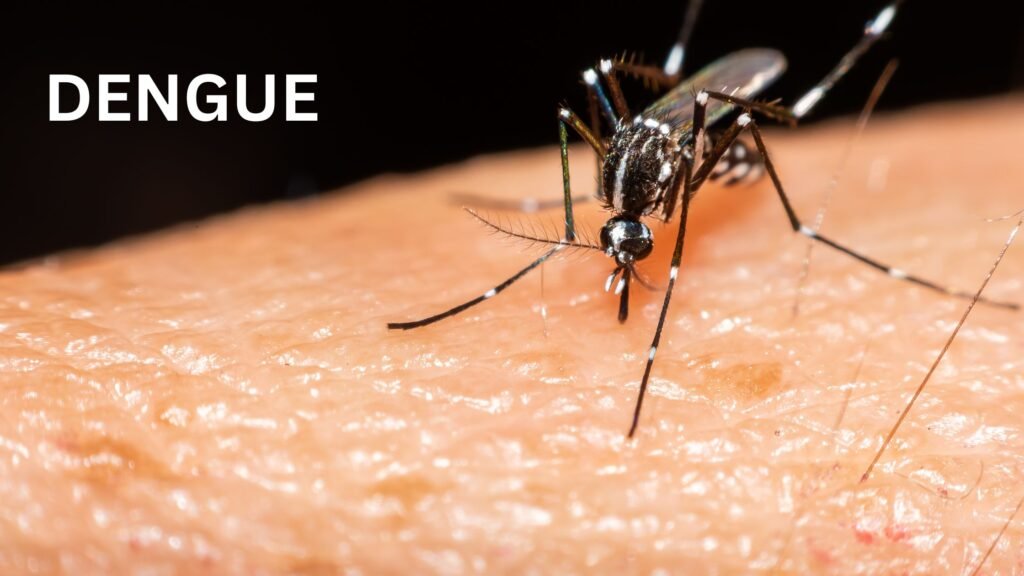
What Is Dengue? Dengue, commonly known as “breakbone fever,” is a mosquito-borne viral infection that poses a significant health challenge, particularly in tropical and subtropical regions. Caused by the dengue virus (DENV), which has four distinct serotypes (DENV-1 to DENV-4), dengue affects millions worldwide every year, with recurring outbreaks placing a burden on healthcare systems. Here’s everything you need to know about this disease — from how it’s transmitted to how you can stay safe. How Is Dengue Transmitted? Transmission: Dengue is primarily transmitted through the bite of infected female Aedes aegypti mosquitoes. These mosquitoes are aggressive daytime biters, with peak activity in early morning and before dusk. Key points on transmission: ~ Mosquito vector: Aedes aegypti (most common), occasionally Aedes albopictus. ~ Virus entry: When a mosquito bites a person already infected with DENV, it picks up the virus and becomes a carrier. It can then transmit the virus to another individual through its bite. ~ Incubation in mosquito: The virus incubates in the mosquito for 8–12 days before it can be passed on. ~ No direct human-to-human transmission: Dengue spreads through mosquito bites, not through direct contact. Rare cases of transmission can occur via: ~ Blood transfusions ~ Organ transplants ~ Mother to baby during pregnancy or childbirth Symptoms: Dengue symptoms usually begin 4–10 days after the mosquito bite and can vary in severity. It’s important to recognize the signs early to prevent complications. Common Symptoms: ~ Sudden high fever (up to 104°F or 40°C) ~ Severe headache, especially behind the eyes ~ Muscle and joint pain (hence the term “breakbone fever”) ~ Nausea and vomiting ~ Fatigue and weakness ~ Skin rash (appears 2–5 days after fever) ~ Mild bleeding (e.g., gums, nose, or easy bruising) Severe Dengue (Dengue Hemorrhagic Fever/Dengue Shock Syndrome): This is a potentially fatal complication and typically appears after the initial fever subsides. ~ Severe abdominal pain ~ Persistent vomiting ~ Rapid breathing ~ Blood in vomit or stool ~ Lethargy or restlessness ~ Bleeding under the skin or mucous membranes ~ Drop in platelet count and blood pressure Severe dengue requires immediate hospitalization and intensive care. Diagnosis: Accurate and early diagnosis is crucial to manage dengue effectively. Diagnostic Tools: ~ Clinical Evaluation: Based on patient’s symptoms, travel history, and physical examination. ~ Laboratory Tests: NS1 ~ Antigen Test: Detects dengue virus proteins; useful in the first 5 days of illness. ~ RT-PCR: Detects viral RNA; highly specific, often used in early infection. ~ IgM and IgG Antibody Tests: Detect antibodies formed in response to the virus. IgM appears early, while IgG confirms past infections or secondary dengue. ~ CBC (Complete Blood Count): Monitors platelet count and hematocrit; crucial in identifying warning signs of severe dengue. Early diagnosis helps in monitoring for complications and reducing mortality. Treatment: There is no specific antiviral treatment for dengue, but supportive care plays a vital role in recovery. General Management: ~ Hydration: Adequate fluid intake is essential to prevent dehydration and maintain electrolyte balance. ~ Fever control: Use paracetamol (acetaminophen) for fever and pain. Avoid NSAIDs like aspirin or ibuprofen, as they can increase the risk of bleeding. Hospitalization Criteria: ~ Warning signs like severe abdominal pain, persistent vomiting, or bleeding. ~ Rapid drop in platelet count or signs of dehydration. ~ Infants, elderly patients, or those with co-morbidities. Severe Dengue Care: ~ Requires intravenous fluid replacement and monitoring in an intensive care setting. ~ Blood transfusions may be needed in cases of significant hemorrhage. ~ Recovery from dengue can take 1–2 weeks, although fatigue may persist for longer. Prevention: As there’s no specific treatment or widely available vaccine in many countries, prevention is key in controlling dengue. Mosquito Control Measures: 1. Eliminate breeding sites: Empty and clean water containers weekly (flower pots, bird baths, buckets). Cover water storage containers tightly. Discard items that collect rainwater (old tires, cans, plastic bottles). 2. Use Mosquito Protection: Wear long-sleeved shirts and pants. Apply mosquito repellent containing DEET, picaridin, or oil of lemon eucalyptus. Use mosquito nets, especially for infants and elderly. Install window and door screens to block mosquito entry. 3. Environmental Measures: Community-wide fogging during outbreaks. Public awareness campaigns on mosquito control. Vaccine: Dengvaxia (CYD-TDV) is the only licensed dengue vaccine (for certain age groups and those previously infected), but it’s not universally recommended due to risk of severe disease in dengue-naïve individuals. More vaccine candidates are under development and evaluation. Global Impact: Dengue is endemic in over 100 countries, particularly in Asia, the Americas, Africa, and the Western Pacific. The World Health Organization (WHO) estimates 390 million dengue infections occur annually, with 96 million manifesting clinically. Urbanization, climate change, and increased travel contribute to the spread and intensity of outbreaks. Conclusion: Dengue fever is a preventable yet potentially serious illness that demands community involvement, individual responsibility, and strong public health systems to control. With no curative treatment, prevention through mosquito control and awareness remains the most effective approach. Early detection, hydration, and supportive care can greatly reduce the risk of complications. Stay vigilant, protect yourself and your surroundings, and don’t let the buzz bite. Need Medical Care for Dengue? If you have dengue symptoms or need evaluation, timely medical assessment can help determine the appropriate care and monitoring based on your condition. Consult Dr. Swapnil Gautam for Dengue & Infectious Disease Care

Best Dengue Treatment Doctor in Mumbai Read More »
understanding-acute-mountain-sickness-symptoms-treatment-prevention

Understanding Acute Mountain Sickness: Symptoms, Treatment & Prevention

  What Is Acute Mountain Sickness? Acute Mountain Sickness, or AMS, is a condition that typically occurs when someone ascends to high altitudes (usually above 2,500 meters or 8,000 feet) too quickly without giving the body enough time to acclimatize. As altitude increases, atmospheric pressure drops, and the amount of oxygen in the air decreases. This sudden drop in oxygen availability can lead to AMS in some individuals. The risk and severity of AMS depend on factors like rate of ascent, altitude reached, physical exertion, and individual susceptibility. While AMS is generally mild and resolves with proper care, it can progress into more dangerous forms such as High Altitude Pulmonary Edema (HAPE) and High Altitude Cerebral Edema (HACE) if left untreated. Symptoms of Acute Mountain Sickness: Symptoms of AMS usually begin within 6 to 24 hours of arriving at a high altitude and may range from mild discomfort to debilitating illness. Common symptoms include: Headache Nausea and Vomiting Fatigue and Weakness Dizziness or Lightheadedness Sleep Disturbances Shortness of Breath Loss of Coordination Treatment of Acute Mountain Sickness: AMS can often be managed effectively if caught early. Here’s how to treat mild to moderate Symptoms: Stop Ascent: Halt further climbing. Rest and Acclimatize: Spend an extra day or two at the same altitude. Descend if Necessary: Descending to a lower altitude is often curative. Medications: Acetazolamide (Diamox), pain relievers, antiemetics, and Dexamethasone. Oxygen Therapy: Supplemental oxygen can relieve symptoms. Portable Hyperbaric Chambers: Simulates descent in remote areas. Prevention of Acute Mountain Sickness: The best way to avoid AMS is to plan ahead and allow your body to gradually acclimatize to higher elevations. Tips include: Ascend Slowly Stay Hydrated Eat a Balanced Diet Avoid Alcohol and Sedatives Use Prophylactic Medications like Acetazolamide Condition Your Body Know the Warning Signs When to Seek Emergency Help: Seek immediate descent and medical attention if any of the following occur: Confusion or altered mental state Difficulty walking or speaking Shortness of breath at rest Blue or gray lips and fingernails Severe, persistent vomiting Final Thoughts:- Acute Mountain Sickness is a common but preventable condition that can affect anyone if altitude is gained too rapidly. Understanding the symptoms, listening to your body, and respecting the mountain environment are key to staying safe. Remember: ‘Climb high, sleep low, and never let ambition outpace your acclimatization.

Understanding Acute Mountain Sickness: Symptoms, Treatment & Prevention Read More »

about-yellow-fever

Yellow Fever: What You Need to Know

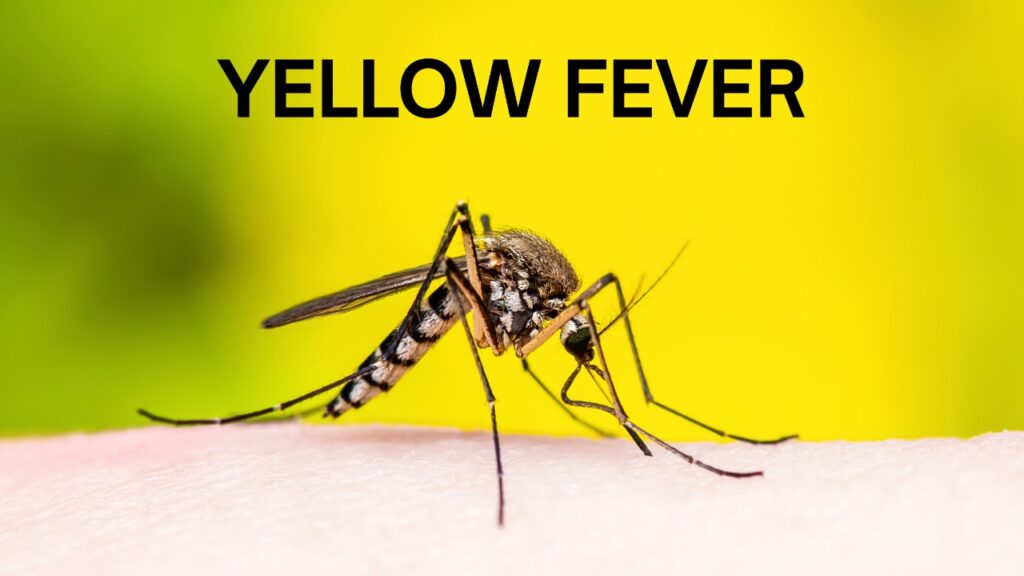
What is Yellow Fever? A viral hemorrhagic disease caused by the yellow fever virus (Flavivirus). Named after one of its key symptoms: jaundice (yellowing of skin and eyes). How is it Transmitted? Through the bite of infected mosquitoes, primarily:- Aedes aegypti (urban)- Haemagogus (jungle) Transmission Cycles:- Jungle Cycle: Monkeys -> Mosquitoes -> Humans- Intermediate Cycle: Rural outbreaks involving humans & primates- Urban Cycle: Human -> Mosquito -> Human (can trigger epidemics) Symptoms: Acute Phase (Most Cases):- Fever- Headache- Muscle pain (especially back)- Nausea, vomiting- Red eyes, chills Toxic Phase (15% Cases):- High fever returns- Jaundice- Bleeding (mouth, eyes, nose)- Liver & kidney failure- Shock, coma, possibly death Diagnosis: Difficult due to similarity with diseases like malaria/dengue. Confirmed by:- PCR tests (detect virus RNA)- Antibody tests (IgM)- Blood sample analysis Is There a Cure? No specific antiviral treatment. Management includes:- Hospital care- IV fluids, oxygen- Paracetamol for fever (avoid aspirin/NSAIDs)- Blood transfusions if needed Early treatment can save lives. Prevention is Key A. Vaccination:- Single dose = lifelong protection- WHO-recommended for residents/travelers to endemic areas- Required by some countries for entry (International Yellow Card) B. Mosquito Control:- Remove standing water- Use insecticides- Community awareness C. Personal Protection:- Wear full-sleeve clothing- Use DEET-based repellents- Sleep under mosquito nets Global Action & Challenges: WHO efforts include:- Mass vaccinations- Emergency vaccine stockpiles- Disease surveillance Challenges:- Vaccine shortages- Healthcare gaps in rural areas- Urbanization and climate change- Vaccine misinformation Conclusion: Yellow fever is deadly-but preventable. Recognize symptoms- Get vaccinated- Protect yourself from mosquitoes. Together, through education and prevention, we can control and eventually eliminate yellow fever as a global health threat

Yellow Fever: What You Need to Know Read More »

Best Pneumonia Treatment Doctor In Mumbai

Pneumonia is a serious respiratory infection that affects the lungs, causing inflammation in the air sacs, also known as alveoli. This condition can be caused by a variety of pathogens, including bacteria, viruses, and fungi. Pneumonia can be a life-threatening illness, especially for those with weakened immune systems, young children, and the elderly. In this blog post, we will discuss the symptoms, transmission, treatment, and prevention of pneumonia. Symptoms of Pneumonia: Pneumonia can present with a variety of symptoms, which can range from mild to severe. Some common symptoms of pneumonia include:- Coughing, which may produce thick yellow, green, or blood-tinged mucus – Fever, with an accompanying chills and sweating – Shortness of breath or difficulty breathing – Chest pain, especially when breathing or coughing – Fatigue and weakness – Nausea, vomiting, or diarrhea. In severe cases, pneumonia can lead to complications such as sepsis, respiratory failure, and organ damage. It is important to seek medical attention if you experience any of these symptoms, especially if they are persistent or worsening. Transmission of Pneumonia: Pneumonia can be spread through respiratory droplets, which are released into the air when an infected person coughs or sneezes. These droplets can be inhaled by others, leading to the transmission of the infection. Pneumonia can also be acquired through contact with contaminated surfaces or objects, as the pathogens responsible for the infection can survive on surfaces for extended periods. Individuals who are at higher risk of developing pneumonia include those who smoke, have a weakened immune system, or live in crowded or unsanitary conditions. It is important to practice good hygiene, such as frequent handwashing, covering your mouth and nose when coughing or sneezing, and avoiding close contact with individuals who are sick, to reduce the risk of transmission. Treatment of Pneumonia: The treatment for pneumonia depends on the underlying cause of the infection. In cases of bacterial pneumonia, antibiotics are typically prescribed to target the specific bacteria responsible for the infection. It is important to complete the full course of antibiotics as prescribed by your healthcare provider, even if you start feeling better before finishing the medication. For viral pneumonia, antiviral medications may be prescribed to help reduce the severity and duration of the infection. In some cases, supportive care may be necessary, such as oxygen therapy, fluids, and rest. It is important to follow your healthcare provider’s recommendations for treatment and to seek medical attention if your symptoms worsen or do not improve. Prevention of Pneumonia: There are several measures that can be taken to reduce the risk of developing pneumonia. Some key prevention strategies include: – Getting vaccinated: Vaccines are available to protect against certain pathogens that can cause pneumonia, such as the pneumococcal vaccine and the influenza vaccine. It is important to stay up-to-date on your vaccinations to reduce the risk of infection. – Practicing good hygiene: Wash your hands frequently with soap and water, especially before eating or touching your face. Avoid close contact with individuals who are sick, and cover your mouth and nose when coughing or sneezing. – Quitting smoking: Smoking can weaken the immune system and damage the lungs, making individuals more susceptible to respiratory infections such as pneumonia. Quitting smoking can help reduce the risk of developing pneumonia and other respiratory illnesses. – Maintaining a healthy lifestyle: Eating a balanced diet, getting regular exercise, and managing chronic conditions such as diabetes or asthma can help support a healthy immune system and reduce the risk of developing pneumonia. In conclusion, pneumonia is a serious respiratory infection that can have severe consequences if left untreated. It is important to be aware of the symptoms of pneumonia, such as coughing, fever, shortness of breath, and chest pain, and to seek medical attention if you experience these symptoms. By practicing good hygiene, getting vaccinated, and leading a healthy lifestyle, you can help reduce the risk of developing pneumonia and protect your respiratory health. Remember, prevention is key when it comes to protecting yourself and others from respiratory infections like pneumonia.

Best Pneumonia Treatment Doctor In Mumbai Read More »

std-doctor-mumbai

Best Sexually Transmitted Infections Treatment Doctor in Mumbai

Sexually transmitted infections (STIs) are infections that are passed from one person to another through sexual contact. These infections can be caused by bacteria, viruses, or parasites and can lead to serious health issues if left untreated. It is estimated that each year, there are over 1 million new cases of STIs worldwide, making it a major public health concern. Symptoms of STIs can vary depending on the type of infection and the individual’s immune system. Some common symptoms include: 1. Unusual discharge from the genitals 2. Pain or burning during urination 3. Genital sores or ulcers 4. Itching or irritation in the genital area 5. Pain during sex 6. Swollen lymph nodes 7. Pain in the lower abdomen 8. Fever and flu-like symptoms It is important to note that some STIs, such as chlamydia and gonorrhea, may not cause any symptoms at all, making it crucial to get tested regularly if you are sexually active. Diagnosis of STIs typically involves a physical exam, a review of symptoms, and various tests such as urine tests, blood tests, or swab tests of the affected area. It is important to get tested as soon as possible if you suspect you may have an STI, as early detection can prevent complications and help limit the spread of infection to others. Treatment for STIs varies depending on the type of infection. Many bacterial STIs, such as chlamydia, gonorrhea, and syphilis, can be treated with antibiotics. Viral infections such as herpes and HIV can be managed with antiviral medications, but cannot be cured. Some STIs, such as HPV and hepatitis B, have vaccines available to prevent infection. Prevention is key when it comes to STIs. Here are some tips to reduce your risk of infection: 1. Practice safe sex: Use condoms consistently and correctly during every sexual encounter to reduce the risk of transmission of STIs. 2. Get tested regularly: If you are sexually active, it is important to get tested for STIs at least once a year, or more frequently if you have multiple partners. 3. Limit your number of sexual partners: Having multiple sexual partners increases your risk of STIs. Limiting your number of partners can reduce your risk of infection. 4. Communicate with your partner: Talk openly and honestly with your partner about your sexual history and STI status. This can help you both make informed decisions about your sexual health. 5. Avoid sharing needles: If you use injectable drugs, be sure to use clean needles and avoid sharing needles with others to prevent the spread of HIV and hepatitis B and C. In conclusion, STIs are a common and serious health issue that can have long-term consequences if left untreated. It is important to be aware of the symptoms of STIs, get tested regularly, and practice safe sex to prevent infection. If you suspect you may have an STI, seek medical attention promptly for diagnosis and treatment. By taking these steps, you can protect yourself and others from the spread of sexually transmitted infections.

Best Sexually Transmitted Infections Treatment Doctor in Mumbai Read More »

infection-disease-doctor-mumbai

Best Infectious Disease Doctor in Mumbai

Consulting with an infectious diseases specialist may not always be at the forefront of people’s minds when they are dealing with a potential infection or illness. However, the importance of seeking out the expertise of these specialized professionals cannot be overstated. Infectious diseases specialists are medical doctors who have undergone additional training and education in diagnosing and treating infections caused by bacteria, viruses, fungi, and parasites. They possess a deep understanding of how infections spread, how they can be prevented, and the most effective treatment options available. One of the most significant reasons why consultation with an infectious diseases specialist is crucial is due to the complex and rapidly evolving nature of infectious diseases. As new pathogens emerge and existing ones develop resistance to traditional treatment methods, it is essential to have access to a specialist who can stay up to date on the latest research and recommendations in the field. Infectious diseases specialists are often at the forefront of research and clinical trials, meaning they have a unique perspective on the most effective treatment strategies for a wide range of infections. Infectious diseases can present in a variety of ways, making accurate diagnosis and treatment challenging for healthcare providers without specialized training. In some cases, symptoms may be non-specific or mimic other conditions, leading to delayed or incorrect diagnosis. By consulting with an infectious diseases specialist, patients can benefit from the expertise of a doctor who is specifically trained to recognize and interpret the signs and symptoms of various infections. This can lead to a more accurate diagnosis and, consequently, more effective treatment. Another key reason to consult with an infectious diseases specialist is the potential for complications or adverse outcomes if an infection is not properly managed. Certain infections, such as those caused by drug-resistant bacteria or viruses, can be challenging to treat and may require specialized expertise to ensure successful outcomes. By working with a specialist who has experience in managing complex infections, patients can rest assured that they are receiving the best possible care and treatment. Infectious diseases can also have significant public health implications, particularly when outbreaks occur in communities or healthcare settings. Infectious diseases specialists play a critical role in the prevention and control of outbreaks by identifying the source of infection, implementing appropriate infection control measures, and advising on treatment strategies to contain the spread of disease. Consulting with an infectious diseases specialist in the event of an outbreak can help to minimize the impact on public health and prevent further transmission of the infection. Consulting with an infectious diseases specialist can also be beneficial for individuals who are at increased risk of infection due to underlying health conditions or compromised immune systems. Patients with conditions such as HIV/AIDS, cancer, or organ transplant recipients may be more susceptible to infections and may require specialized care to prevent and manage these infections. Infectious diseases specialists have the expertise to tailor treatment plans to the specific needs of these high-risk individuals, providing a higher level of care and support. In conclusion, the importance of consultation with an infectious diseases specialist cannot be understated. These specialized professionals play a critical role in the diagnosis, treatment, and prevention of a wide range of infections, providing expert care to patients and communities in need. By seeking out the expertise of an infectious diseases specialist, individuals can benefit from the latest research and treatment options available, leading to better outcomes and improved health. Whether facing a complex infection, an outbreak, or a high-risk situation, consulting with an infectious diseases specialist is an essential step in managing and overcoming infectious diseases.

Best Infectious Disease Doctor in Mumbai Read More »

mindfulness-dr-swapnil-gautam

What Is Mindfulness? Benefits, Techniques & How to Practice Daily

Mindfulness is a practice that has gained popularity in recent years as people seek ways to manage stress, anxiety, and improve overall mental well-being. This ancient practice has roots in Buddhist meditation traditions but has been adapted and modified for use in modern society. At its core, mindfulness is about being fully present in the moment and paying attention to our thoughts, feelings, sensations, and surroundings without judgment. It involves bringing awareness to our experiences and being open and accepting of whatever arises, whether it is positive or negative. One of the key components of mindfulness is the practice of meditation. Meditation is a way to train the mind to focus on the present moment and cultivate a sense of mindfulness. There are many different types of meditation practices, from sitting quietly and focusing on the breath to walking meditation and loving-kindness meditation. Mindfulness can also be practiced in everyday activities such as eating, walking, and even washing dishes. The idea is to bring the same level of awareness and attentiveness to these activities as one would during formal meditation practice. By doing so, we can cultivate a sense of calm and focus that can help us navigate the challenges of daily life with greater ease. Research has shown that mindfulness can have a wide range of benefits for both mental and physical health. Studies have found that mindfulness can reduce stress, anxiety, and depression, improve focus and concentration, enhance memory and cognitive abilities, and even boost immune function. One of the reasons mindfulness is so effective is that it helps us to break free from the cycle of automatic pilot that many of us operate on. Often, our minds are preoccupied with worries about the past or future, and we fail to fully engage with the present moment. By cultivating mindfulness, we can learn to step out of this cycle and be more fully present in our lives. Another benefit of mindfulness is that it can help us to become more aware of our thoughts and emotions. Often, we are swept away by our thoughts and feelings, reacting automatically without stopping to consider whether our reactions are helpful or appropriate. Mindfulness can help us to cultivate a greater sense of self-awareness and emotional regulation, allowing us to respond more skillfully to challenging situations. In addition to its mental health benefits, mindfulness has also been shown to have positive effects on physical health. For example, mindfulness can help to reduce blood pressure, alleviate chronic pain, improve sleep, and even enhance athletic performance. By reducing stress and promoting relaxation, mindfulness can have a profound impact on overall wellbeing. Despite its many benefits, mindfulness is not a quick fix or a one-size-fits-all solution. Like any skill, it takes time and practice to develop mindfulness, and it can be challenging at times. However, with dedication and persistence, anyone can learn to cultivate mindfulness and reap its many rewards. There are many ways to incorporate mindfulness into our daily lives. One of the most common ways is through formal meditation practice. This can involve sitting quietly and focusing on the breath, body, or sensations. There are also many guided meditations available online or through apps that can help beginners get started. In addition to formal meditation practice, mindfulness can also be integrated into everyday activities. For example, when eating a meal, one can focus on the flavors and textures of the food, being fully present with each bite. When taking a walk, one can pay attention to the sights, sounds, and smells of the environment, rather than getting lost in thoughts. In conclusion, mindfulness is a powerful practice that can have profound effects on mental and physical health. By bringing awareness and acceptance to our experiences, we can learn to navigate life’s challenges with greater ease and grace. Whether through formal meditation practice or everyday activities, anyone can cultivate mindfulness and experience its many benefits. So why not give it a try and see how mindfulness can transform your life?

What Is Mindfulness? Benefits, Techniques & How to Practice Daily Read More »

artificial-intelligence-in-healthcare

Artificial Intelligence (AI) in Healthcare

What Is Artificial Intelligence (AI) in Healthcare? Artificial Intelligence (AI) has garnered significant interest and attention in healthcare in recent years, with its potential to revolutionize the industry by offering innovative solutions and improving patient outcomes. AI encompasses technologies that enable machines to analyze complex data, learn from it, and make decisions based on patterns and trends. In the healthcare sector, AI holds immense promise for enhancing diagnostics, treatment planning, personalized medicine, and operational efficiency. AI in Healthcare for Diagnosis and Disease Detection One of the most significant advantages of AI in healthcare is its ability to analyze vast amounts of data quickly and accurately. Medical data, such as patient records, lab results, imaging scans, and genomic information, can be processed much more efficiently by AI algorithms than by human clinicians. This enables healthcare providers to make informed decisions more rapidly, leading to earlier diagnoses and timely interventions for patients. AI-powered diagnostic tools have shown great potential in improving the accuracy and speed of disease detection. For example, machine learning algorithms can analyze medical images, such as X-rays, MRIs, and CT scans, to identify abnormalities or patterns indicative of disease. These tools can assist radiologists and other healthcare professionals in detecting diseases like cancer, vascular abnormalities, and fractures with greater precision, reducing the chances of misdiagnosis and improving patient outcomes. AI-Powered Predictive Analytics Furthermore, AI-driven predictive analytics can help healthcare providers identify patients at risk of developing certain conditions or experiencing adverse events. By analyzing patient data and identifying factors that contribute to health risks, AI algorithms can support care teams in implementing preventive measures and interventions to mitigate those risks. This proactive approach to healthcare can lead to better management of chronic conditions, reduced hospital readmissions, and improved overall patient health. AI in Personalized Medicine In addition to diagnostics and predictive analytics, AI has also proven beneficial in the realm of personalized medicine. By analyzing individual patient data, including genetic information, medical history, and lifestyle factors, AI algorithms can help healthcare providers tailor treatment plans to each patient’s specific needs. This personalized approach to care can lead to more effective treatments, fewer adverse reactions, and better treatment outcomes for patients. AI for Healthcare Administration and Operational Efficiency Moreover, AI solutions are being increasingly utilized to streamline administrative processes and enhance operational efficiency in healthcare settings. For instance, chatbots and virtual assistants powered by AI can handle routine tasks like appointment scheduling, medication reminders, and patient inquiries, freeing up healthcare staff to focus on more complex and critical aspects of patient care. AI-enabled systems can also optimize resource allocation, improve supply chain management, and enhance overall operational performance in healthcare organizations. Challenges of Artificial Intelligence in Healthcare Despite the numerous benefits of AI in healthcare, there are also challenges and considerations that need to be addressed. Data privacy and security concerns, regulatory compliance, algorithm bias, and the need for human oversight and validation are critical issues that must be carefully managed to ensure the safe and ethical use of AI in healthcare. Conclusion In conclusion, the importance and utility of Artificial Intelligence in healthcare cannot be overstated. From improving diagnostics and treatment planning to enabling personalized medicine and enhancing operational efficiency, AI has the potential to transform the way healthcare is delivered and experienced. As technology continues to advance and AI applications in healthcare evolve, it is essential for healthcare providers, policymakers, and stakeholders to collaborate in harnessing the full potential of AI to improve patient outcomes, reduce healthcare costs, and ultimately enhance the quality of care for all. AI can support modern healthcare, but medical decisions still require appropriate clinical evaluation and professional guidance. If you have health concerns or need medical advice, consider discussing them with a Qualified doctor.

Artificial Intelligence (AI) in Healthcare Read More »