Pneumonia
International travel can expose you to infections, unfamiliar food and water, insect-borne diseases and other health risks that may vary from one destination to another.
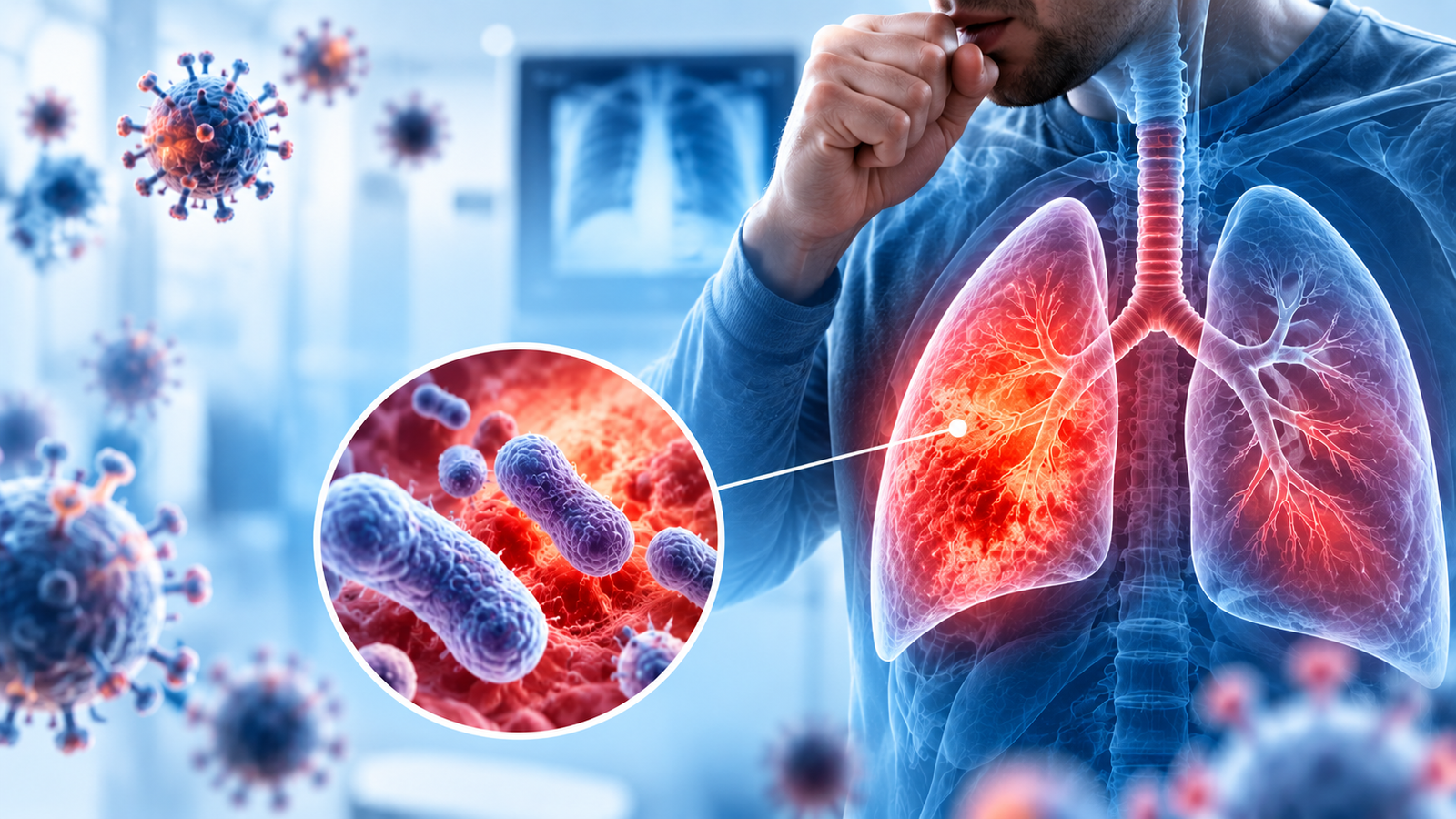
What Is Pneumonia ?
Pneumonia occurs when an infection causes inflammation in the air sacs of the lungs. The infection may affect one or both lungs and can sometimes lead to fluid or pus collecting in the air sacs.
Pneumonia management involves identifying the likely cause of the infection, assessing its severity and deciding on the most appropriate treatment. In some cases, additional testing may be needed to determine whether the infection is bacterial, viral or caused by another organism.
Treatment is based on factors such as your symptoms, medical history, age, existing health conditions, examination findings and any available laboratory or imaging results.
Benefits of a Pneumonia Consultation
Early assessment and personalised infection care to support faster recovery and reduce the risk of complications.
Common Conditions Assessed and Managed
Evaluation and management of different types of pneumonia, based on the cause, severity and individual health needs.
Community-Acquired Pneumonia
Pneumonia that develops outside a hospital is commonly caused by bacteria or viruses and can be assessed based on symptoms and risk factors.
Hospital-Acquired Pneumonia
Pneumonia that develops during a hospital stay may involve resistant organisms and may require culture-based treatment.
Viral Pneumonia
Viral infections such as influenza can cause pneumonia. Treatment depends on the virus and severity of the infection.
Why Choose Dr. Swapnil Gautam?
Expertise in Infectious Diseases
Dr. Swapnil Gautam is an Infectious Diseases Specialist experienced in diagnosing and managing pneumonia and other respiratory infections.
Understanding Complex Infections
Pneumonia can present differently depending on the underlying health of the patient. A careful assessment helps identify cases that may require additional investigation or specialist treatment.
Personalised Consultation
Each consultation considers your symptoms, medical history, medications, existing conditions and the severity of the infection.

Frequently Asked Questions
Pneumonia can be caused by bacteria, viruses and, less commonly, fungi or other organisms. The cause may vary depending on a person’s age, health and circumstances
Common symptoms may include cough, fever, chills, tiredness, chest discomfort and difficulty breathing. Some people, particularly older adults, may have less typical symptoms.
Diagnosis usually involves a medical history and physical examination. Depending on the situation, a chest X-ray, blood tests, sputum testing or other investigations may be recommended.
No. Antibiotics are used for bacterial pneumonia but do not treat viral infections. The appropriate treatment depends on the suspected or confirmed cause.
Yes. Pneumonia can sometimes lead to complications, particularly in older adults and people with underlying conditions such as diabetes, heart disease, lung disease or weakened immunity.
Specialist assessment may be helpful when pneumonia is severe, keeps returning, does not improve as expected, involves an unusual organism or occurs in someone with significant underlying health conditions.