Burn Bright, Not Out: How Professionals Can Prevent and Manage Burnout

  In today’s hyper-connected, high-performance world, burnout has become an all-too common reality for professionals across industries. Long hours, mounting pressure, and the “always-on” culture can leave even the most dedicated individuals feeling physically drained, emotionally depleted, and mentally disengaged. Burnout doesn’t just affect productivity — it can jeopardize mental health, relationships, and overall quality of life. But burnout isn’t inevitable. With awareness and intentional strategies, professionals can protect themselves from its grip and thrive in demanding roles. This blog explores the causes of burnout, early warning signs, and most importantly — evidence-based strategies to prevent and manage it. What Is Burnout? Burnout is a state of emotional, physical, and mental exhaustion caused by excessive and prolonged stress. The World Health Organization classifies it as an occupational phenomenon, characterized by: Exhaustion: Feeling drained and unable to cope. Cynicism/Detachment: Becoming mentally distant or negative toward your job. Reduced Professional Efficacy: Decreased sense of accomplishment or performance. It often sneaks in gradually and can affect anyone — from high-flying executives and healthcare workers to entrepreneurs and educators. Early Signs of Burnout: Recognizing burnout early is key to preventing long-term damage. Some red flags include: – Constant fatigue or low energy – Trouble sleeping or oversleeping – Irritability, anxiety, or frequent mood swings – Feeling detached from work or disillusioned – Decreased job performance or motivation – Headaches, stomach issues, or other stress-related health problems If ignored, burnout can lead to chronic health conditions, depression, or even job loss. 10 Proven Strategies to Prevent and Manage Burnout   1. Prioritize Work-Life Boundaries Set clear boundaries between work and personal life. Avoid checking emails after hours, take regular breaks, and resist the urge to “just finish one more task.” Tip: Create a shutdown ritual like writing a to-do list for tomorrow or shutting your laptop at the same time each day. 2. Master the Art of Saying ‘No’ Many professionals fall into the trap of overcommitting. Learn to say “no” politely but firmly to tasks that overstretch your capacity or don’t align with your goals. Tip: Use assertive phrases like, “I’d love to help, but I’m at full capacity right now.” 3. Take Recharge Breaks — Daily and Yearly Micro-breaks during the day, weekend downtime, and annual vacations are vital. Breaks help reset your brain, spark creativity, and reduce stress hormones. Tip: Practice the Pomodoro Technique — 25 minutes of focused work followed by a 5 minute break. 4. Seek Purpose and Meaning Professionals who find personal meaning in their work are more resilient to burnout. Reflect on what drives you and connect tasks to a bigger purpose. Tip: Keep a “Why I Do This” journal with moments of impact or fulfillment from your work. 5. Optimize Time and Task Management Inefficient workflows and disorganized schedules contribute heavily to stress. Prioritize tasks using tools like the Eisenhower Matrix or apps like Trello, Notion, or Todoist. Tip: Identify your peak energy hours and reserve them for high-focus work. 6. Invest in Your Physical Well-being Burnout prevention starts with the basics: nutrition, sleep, and exercise. Skipping meals, sacrificing sleep, or remaining sedentary fuels fatigue and brain fog. Tip: Get 7–8 hours of quality sleep, stay hydrated, and include some physical movement every day. 7. Build a Support System Burnout thrives in isolation. Regular check-ins with friends, mentors, or colleagues can offer perspective and emotional relief. Tip: Join peer groups or professional networks where you can share experiences and solutions. 8. Practice Mindfulness and Stress Reduction Mindfulness reduces stress, improves focus, and enhances emotional regulation. Techniques like deep breathing, body scans, or guided meditation can be powerful antidotes to anxiety. Tip: Try apps like Calm, Insight Timer, or Headspace for 5–10 minute daily meditations. 9. Seek Professional Help When Needed If burnout persists, don’t hesitate to talk to a mental health professional. Therapy or counseling can help you reframe challenges and develop better coping strategies. Tip: Many organizations offer confidential Employee Assistance Programs (EAPs). 10. Reevaluate and Realign Your Career Goals Sometimes burnout is a signal that something needs to change. Are your current responsibilities aligned with your strengths and aspirations? Consider restructuring roles, upskilling, or even exploring new paths. Tip: A career coach can help you assess long-term fulfillment and growth opportunities. Case Study: A Manager’s Burnout Turnaround Priya, a mid-level manager in an MNC, found herself working 12-hour days, skipping meals, and losing sleep over team deadlines. Her productivity dropped, and she began resenting work. After a burnout diagnosis, she implemented strict screen-free evenings, blocked daily “deep work” hours, started journaling, and took a two-week vacation. Most importantly, she began delegating and communicating her limits. Within two months, she reported improved energy, creativity, and job satisfaction. Burnout in Numbers 77% of professionals have experienced burnout at their current job (Deloitte) Burnout is more prevalent among millennials and Gen Z due to high digital exposure and job insecurity Industries most at risk: Healthcare, Education, Tech, Legal, and Nonprofits How Organizations Can Help While individual strategies matter, organizations must also address systemic causes: – Promote flexible work hours and hybrid models – Encourage time off and discourage overwork – Train managers to detect early signs of burnout – Create a culture of empathy and psychological safety – Recognize and reward efforts meaningfully – Burnout is not just a personal issue — it’s a leadership responsibility. Final Thoughts: Balance is the New Hustle Burnout doesn’t signal weakness — it signals humanity. High performance is not about running endlessly on caffeine and deadlines, but about sustaining energy, purpose, and joy over time. By investing in well-being, professionals don’t just protect their mental health — they unlock their full potential. So pause, breathe, and remember: the goal is not just to survive the workday, but to thrive in your professional journey.

Burn Bright, Not Out: How Professionals Can Prevent and Manage Burnout Read More »

The Tragedy of Late Awakening: A Reflection on Time, Life, and Conscious Living

In the journey of life, there is a pattern that repeats itself across cultures, generations, and geographies. People live as if they have all the time in the world, often postponing joy, passion, reflection, and self-discovery until some undefined “later.” This phenomenon is not due to the brevity of life, but rather a delayed awakening to what life truly is. We are not born with the knowledge of how to live. We grow into routines, absorb societal expectations, chase achievements, and accumulate experiences. In doing so, we often forget to pause and question: Am I truly living, or just moving through life on autopilot? This blog is a meditation on that very question — and an invitation to examine how we spend the finite and precious currency of time. 1. The Illusion of Immortality in Youth When we are young, time feels infinite. There is always tomorrow. We are taught to build, prepare, hustle — all for a future that seems distant and promising. The concept of death or finality feels too abstract to influence daily decisions. As a result, the early decades of life are often spent fulfilling societal checklists: education, career, marriage, family, security. There is nothing inherently wrong with these pursuits. They provide structure and meaning to many lives. However, the danger lies in letting these goals become substitutes for self inquiry, creativity, and spiritual depth. We postpone passions, delay inner growth, and tell ourselves we will “live fully” later — after retirement, after the children grow up, after we’ve “made it.” But that “later” often arrives with unexpected fatigue, regret, or lost time. 2. The Turning Point: When the Soul Starts Asking Questions At some point in life — for some, it’s in their 30s, for others in their 50s — there comes a shift. This is usually triggered by a crisis, a loss, or simply the exhaustion of chasing external validation. The mind grows tired of the treadmill, and the soul begins to whisper: Is this all there is? This is the moment when life starts to deepen. The person begins to seek more than success — they seek meaning. More than comfort — they seek connection. More than routine — they seek presence. Ironically, this point often comes after years, if not decades, of living unconsciously. We start seeking the essence of life only after much of it has passed us by. 3. The Cost of Late Realization This delayed awakening has a price. By the time people begin to appreciate the value of time, the impermanence of health, the fragility of relationships, and the beauty of stillness — they’ve often missed moments that cannot be retrieved. They may realize they were physically present but emotionally absent from their children’s childhoods. That they climbed a ladder only to find it leaning against the wrong wall. That they were too busy preparing for life to actually live it. There’s a bittersweet wisdom that comes with age — a recognition that life was always waiting to be embraced, but we were too distracted to notice. 4. Conscious Living: The Art of Being Awake The opposite of this delayed awakening is conscious living — being awake to life as it unfolds, moment by moment. Conscious living means: – Choosing experiences over possessions. – Making time for relationships instead of waiting for the “right time.” – Listening deeply, loving openly, and speaking honestly. – Valuing simplicity over excess. Being fully present in ordinary moments — a cup of tea, a shared laugh, a quiet walk. It’s not about grand gestures or spiritual retreats. It’s about cultivating presence in the here and now. It’s about realizing that joy is not a destination, but a way of traveling. 5. The Role of Time: Friend or Thief? Time is often seen as a thief — stealing our youth, our energy, our loved ones. But in truth, time is also our greatest teacher. It humbles us, matures us, and offers us the chance to evolve. When we see time as a gift rather than a burden, we begin to live differently. We stop waiting for “someday” and start creating meaning today. We understand that postponing happiness is a dangerous gamble — one that often doesn’t pay off. 6. Living Without Regret There are a few core regrets people carry toward the end of their lives, regardless of background or culture: – “I wish I had lived true to myself, not what others expected of me.” – “I wish I had expressed my feelings more.” – “I wish I had spent more time with people I love.” – “I wish I had allowed myself to be happier.” These regrets are not born from what people did, but from what they did not do — the life they postponed, the words they withheld, the dreams they shelved for later. Living without regret doesn’t mean being reckless or impulsive. It means aligning with your inner compass, even if that means walking a path different from others. 7. The Challenge: Begin Where You Are The beauty of life is that it offers new beginnings every day. Even if one feels late to the party of awareness, the invitation is always open. You don’t have to overhaul your life overnight. Small steps matter: – Wake up 10 minutes early and sit in silence. – Reconnect with a lost hobby. – Tell someone you love them. – Say no to things that drain you. – Say yes to things that energize you. Let go of comparison. Forgive yourself. The important thing is not when you begin, but that you do begin. Presence is a habit, and it starts with one conscious breath. 8. The Inner Return As people grow older, they often speak of “returning” — returning to childhood memories, to simpler joys, to lost versions of themselves. This return isn’t physical. It is emotional and spiritual. It is a return to authenticity, to essence, to stillness. It’s the recognition that life was never about conquering the

The Tragedy of Late Awakening: A Reflection on Time, Life, and Conscious Living Read More »

Pursue Yourself: The Path To Clarity Begins Within

“If you don’t know what to pursue in life right now, pursue yourself.” This uncommon piece of advice may seem simple, even counterintuitive in a world that pushes us to chase achievements, status, and success. But in times of confusion, burnout, or lack of direction, perhaps the most profound thing we can do is turn inward. Instead of frantically searching outside for answers, the key lies in becoming the best version of ourselves — healthier, happier, more present, and more whole. The Crossroads of Confusion: When Life Feels Directionless Almost everyone, at some point, faces the unsettling question — “What am I supposed to do with my life?” Maybe you’re in between jobs, graduating from college, recovering from a setback, or simply waking up one day feeling disconnected from the life you’re living. The uncertainty can be paralyzing. Society often tells us to keep hustling, keep moving, and keep achieving — even if we have no idea where we’re headed. But what if, instead of forcing clarity, we allowed space for it to emerge naturally? What if, in moments of uncertainty, we shifted the focus inward? Uncommon but Powerful: Pursue Yourself The quote in the image says: ➢ “If you don’t know what to pursue in life right now, pursue yourself. Pursue becoming the healthiest, happiest, most healed, most present, most confident version of yourself. Then the right path will reveal itself.” Let that sink in. Pursuing yourself isn’t selfish — it’s strategic. It’s the art of nurturing your foundation so you’re equipped to handle whatever life throws your way. When you focus on becoming your best self, the fog lifts, and the path forward becomes clearer. Why This Advice Works: The Psychology Behind It 1. Clarity Comes from Inner Peace When your mind is cluttered, your decisions will be too. Pursuing yourself through self care, mindfulness, and emotional healing helps clear mental noise. As clarity increases, so does your ability to make meaningful life choices. 2. You Attract Better Opportunities A confident, grounded, and present individual naturally attracts healthier relationships, fulfilling jobs, and enriching experiences. When you’re aligned with yourself, the world seems to align with you too. 3. Self-Growth Builds Resilience Life’s challenges become more manageable when you’re mentally and emotionally strong. Working on yourself prepares you to handle uncertainty without crumbling under its weight. 4. Authenticity Leads to Purpose When you peel back the layers of societal pressure, expectations, and comparisons, you rediscover what truly matters to you. That’s where purpose lives — in authenticity. Practical Ways to Pursue Yourself If you’re ready to take the first step on this inward journey, here are practical ways to begin: 1. Focus on Your Health – Prioritize sleep, nutrition, and regular exercise. – Get regular health checkups and attend to chronic issues. – Your body is your vessel — care for it like it carries your dreams (because it does!). 2. Invest in Mental & Emotional Healing – Consider therapy or counseling. – Journal your thoughts and emotions. – Forgive yourself and others — not for them, but for your own peace. 3. Practice Mindfulness – Meditate, even if it’s just five minutes a day. – Spend time in nature or unplug from technology occasionally. – Being present helps you stop dwelling on the past or fearing the future. 4. Rebuild Confidence – Learn a new skill or hobby that excites you. – Celebrate small wins and progress. – Speak kindly to yourself — your self-talk becomes your reality. 5. Surround Yourself With Uplifting People – Let go of toxic relationships. – Engage with mentors, coaches, or friends who uplift you. – The right company nourishes your growth. – The Butterfly Effect of Self-Pursuit When you pursue yourself, transformation begins. Like a caterpillar entering the cocoon, you go inward, reflect, and rebuild. And when you emerge, you’re not the same — you’re stronger, clearer, and more aligned. The job you were unsure of suddenly becomes easier to say no to. The relationship that wasn’t serving you becomes easier to walk away from. The dream you buried under “practicality” starts to feel possible again. The path that once seemed invisible now begins to unfold before you — not because the world changed, but because you did. The Journey is Ongoing Pursuing yourself isn’t a one-time project; it’s a lifelong commitment. There will be seasons of doubt, discovery, and growth. And that’s okay. Life isn’t a straight line — it’s a beautiful spiral of evolving, falling, learning, and rising again. So if today you feel lost, unsure, or stuck — take heart. You don’t need to have all the answers. You only need to take the next right step toward becoming who you truly are. Final Thought “You are not behind. You are not late. You are exactly where you need to be — to begin again.” When the world rushes you to chase something, remember this uncommon — yet transformative — advice: Pursue yourself. Because when you do, you don’t just find a path. You become the path.

Pursue Yourself: The Path To Clarity Begins Within Read More »

Herpes Genital Infections – Dr. Swapnil Gautam

Genital herpes is one of the most common sexually transmitted infections (STIs) worldwide, affecting millions of people and often going unnoticed. Caused by the herpes simplex virus (HSV), it can lead to recurrent, painful sores and significant emotional distress. Despite its prevalence, many people are unaware they have it or don’t understand how it spreads. In this blog, we’ll explore the transmission, symptoms, prevention, and treatment of genital herpes to raise awareness and reduce stigma. What Causes Genital Herpes? Genital herpes is caused by two types of the herpes simplex virus: HSV-1: Traditionally causes cold sores on the mouth, but can also cause genital herpes through oral-genital contact. HSV-2: Primarily responsible for genital herpes and is more likely to recur and shed asymptomatically. Once a person is infected, the virus stays in the body for life, residing in nerve cells and occasionally reactivating. How Is Genital Herpes Transmitted? Genital herpes is highly contagious, especially during active outbreaks. However, it can also be transmitted when there are no visible symptoms. Modes of Transmission: 1. Vaginal, anal, or oral sex with an infected person. 2. Skin-to-skin contact with the infected area, even if no sores are present. 3. Oral-genital contact (especially with HSV-1). 4. Autoinoculation: Rare, but one can spread the virus to another part of their own body, like the eyes. 5. Mother-to-child transmission during childbirth if the mother has active lesions. Importantly, herpes can be transmitted even if the infected person does not know they have the virus. This is due to asymptomatic viral shedding. What Are the Symptoms of Genital Herpes? Symptoms can vary greatly. Some people have severe symptoms during their first outbreak, while others may never notice any signs. Typical Symptoms: – Painful blisters or ulcers on the genitals, anus, or surrounding areas. – Burning, itching, or tingling before the sores appear. – Swollen lymph nodes in the groin. – Fever, body aches, and headache, especially during the first outbreak. – Pain during urination. – Vaginal or urethral discharge in some cases. First vs. Recurrent Outbreaks: The first outbreak usually occurs 2–12 days after exposure and can last 2–4 weeks. Recurrent outbreaks are generally milder and shorter. They may be triggered by stress, illness, menstruation, or fatigue. Some individuals may have asymptomatic herpes, meaning they carry and can transmit the virus but never show symptoms. How Can Genital Herpes Be Prevented? Though there’s no vaccine yet for genital herpes, several strategies can significantly reduce the risk of transmission: 1. Use Condoms Correctly While condoms don’t provide 100% protection (as herpes can affect areas not covered), they greatly reduce the risk of transmission. 2. Avoid Sexual Contact During Outbreaks Refrain from any genital, anal, or oral sex when visible sores or early symptoms (like tingling) are present. 3. Regular STI Testing Both partners should get tested, especially if in a new relationship or planning unprotected sex. 4. Limit Number of Sexual Partners Fewer partners mean lower risk of contracting herpes or other STIs. 5. Use Antiviral Medication as Prevention Daily antiviral medications (like valacyclovir) can reduce the risk of transmission by up to 50%, especially in discordant couples (where one partner has herpes, the other does not). 6. Communication Open, honest conversations with sexual partners about STIs, protection, and testing go a long way in prevention. How Is Genital Herpes Treated? There is no cure for genital herpes, but antiviral medications can help control the infection, reduce symptoms, and lower transmission risk. Common Antiviral Medications: – Acyclovir – Valacyclovir – Famciclovir These can be taken: During an outbreak: To shorten the duration and severity. Daily (suppressive therapy): To reduce the frequency of recurrences and decrease transmission risk. Home Care Measures: 1. Keep the affected area clean and dry. 2. Wear loose-fitting clothing and cotton underwear. 3. Use pain relievers like ibuprofen for fever or discomfort. 4. Avoid touching sores and then touching your eyes, mouth, or genitals. For Pregnant Women: Special care is needed if a pregnant woman has herpes, especially near delivery. Antiviral prophylaxis is often given in the third trimester, and C-section may be recommended if active lesions are present at the time of labor to prevent neonatal herpes—a life threatening condition in newborns. Living with Genital Herpes: Emotional Support and Stigma Receiving a diagnosis of genital herpes can be emotionally challenging. Many people feel shame, guilt, or fear of rejection. However, it’s important to remember: – You’re not alone—millions of people globally live with herpes. – It is manageable with the right information and treatment. – You can have healthy relationships, a satisfying sex life, and children. – Consider joining support groups or seeking counseling if you’re struggling emotionally. Quick FAQs Q: Can I get herpes from a toilet seat or sharing towels? A: No. Herpes is not spread through inanimate objects or casual contact. Q: Can I donate blood if I have herpes? A: Yes, genital herpes does not disqualify you from donating blood. Q: Is there a vaccine for herpes? A: Currently, there is no approved vaccine for HSV, though clinical trials are ongoing. Q: Can I spread herpes when I don’t have symptoms? A: Yes. Asymptomatic shedding can still transmit the virus. Conclusion Genital herpes is a common, manageable STI that affects people of all ages and backgrounds. With proper knowledge about how it spreads, what symptoms to look for, and how to prevent and treat it, individuals can take control of their health and protect their partners. Reducing stigma and promoting open conversations around STIs is essential in improving sexual health for everyone. If you or someone you know suspects a herpes infection, don’t panic. Consult a healthcare provider, get tested, and take the right steps. Living with herpes doesn’t define you—it’s just one aspect of your health.

Herpes Genital Infections – Dr. Swapnil Gautam Read More »

Battling Monsoon Diseases in India

India’s monsoon season is a blessing — bringing much-needed rain, cooler temperatures, and lush greenery. But with this beauty also comes a surge in infections, especially waterborne and mosquito-borne diseases. Each year, lakhs of people fall sick with diseases like dengue, leptospirosis, malaria, cholera, typhoid, and viral fever. As healthcare professionals, public health experts, or even concerned citizens, it’s crucial to understand how to prevent these illnesses effectively. Let’s dive into what these monsoon diseases are, why they spike, and what you can do to protect yourself and your family. Common Monsoon Diseases in India (And Why They Spike) 1. Dengue & Chikungunya Spread by Aedes aegypti mosquitoes breeding in stagnant water. Fever, rash, joint pain, and in severe cases, hemorrhagic complications. Spike due to water accumulation in buckets, pots, coolers, etc. 2. Malaria Spread by Anopheles mosquitoes. Symptoms: chills, fever, sweating, anemia. Increase due to puddles and poor drainage. 3. Leptospirosis Caused by bacteria in water contaminated by rat urine. Common in flood-hit areas and slums. Symptoms: fever, muscle pain, jaundice, kidney failure. 4. Typhoid & Cholera Spread via contaminated food and water. Common in areas with poor sanitation and hygiene. Diarrhea, vomiting, high fever. 5. Viral Fever, Influenza & COVID-19 Resurgence Humid air supports the survival of respiratory viruses. Weak immunity and poor ventilation worsen spread. 7 Golden Rules to Prevent Monsoon Diseases 1. Stop Mosquito Breeding at Source • Empty stagnant water every 3–5 days from: • Coolers, flower pots, bird baths, water tanks, AC trays • Use mosquito nets, screens, and repellents (DEET, citronella). • Fogging in mosquito-dense areas can help. Hack: Rub neem oil + coconut oil on skin — a natural mosquito repellent! 2. Boil or Filter Drinking Water • Always use RO, UV filters, or boil water during monsoons. • Avoid unsealed or street-side water sources. • Use ORS or electrolyte sachets at first sign of diarrhea. Tip: Carry your own water bottle when traveling. Refill only at reliable sources. 3. Eat Fresh, Hot, Home-Cooked Food Only • Avoid eating outside food especially raw salads, cut fruits, chaats, and juices. • Wash vegetables and fruits thoroughly before cooking. • Reheat food before eating to kill germs. • Stick to simple, low-oil meals to ease digestion during this damp season. 4. Wear Protective Clothing & Use Rain Gear • Full-sleeved clothes protect from mosquito bites. • Waterproof boots protect against leptospirosis when walking in floodwater. • Carry an umbrella or raincoat — getting drenched invites fever and flu. Bonus: Light-colored clothes help spot ticks or insects easily! 5. Improve Immunity with Healthy Lifestyle • Vitamin C, zinc, turmeric, tulsi tea — build resistance. • Get 7–8 hrs of sleep • and avoid excess sugar or junk food • Stay active with indoor exercises, yoga, or stretching Try this: A glass of warm water with lemon + honey every morning = immunity booster 6. Stay Hygienic, Stay Safe • Wash hands with soap or use sanitizer before meals and after coming from outside. • Disinfect surfaces, especially in kitchens and bathrooms. • Wash damp clothes, towels, and undergarments regularly to avoid fungal infections. • Avoid wading through flood water if possible — it’s loaded with pathogens! 7. Don’t Ignore Warning Signs – Consult Early! • Seek medical attention immediately if you notice: • High fever (>101°F), rashes, severe fatigue • Persistent vomiting or diarrhea • Blood in stool or urine • Shortness of breath Early diagnosis of dengue, malaria, typhoid, etc., can prevent complications. Monsoon Safety Essentials – What to Keep at Home Item Why It’s Needed • ORS sachets For dehydration from diarrhea/vomiting • Mosquito repellent cream Prevent bites • First aid kit • Paracetamol For fever relief (after medical advice) • Clean water bottles For safe drinking • Antifungal powder/ointment Prevent foot infections Bonus Tip: Keep a thermometer and pulse oximeter handy — especially for children or elderly at home.   Special Precautions for Vulnerable Groups Children: Keep them indoors during peak mosquito hours (early morning & dusk). Monitor hydration. Pregnant women: Avoid unnecessary travel; eat only freshly prepared food. Elderly: Watch for signs of pneumonia or viral illness. Keep vaccinations updated. Immunocompromised: Avoid crowded or damp public spaces. Community Measures That Matter Drainage & sanitation: Municipal bodies must clean gutters and drains before monsoon  hits. Garbage disposal: Should be frequent to prevent fly/mosquito breeding. Public awareness: Posters, school talks, social media campaigns can educate masses. Vaccination Drives: Hepatitis A, Typhoid, Flu vaccine – especially for slum dwellers & food handlers. Final Word: Prevention is Cheaper than Cure Monsoon doesn’t have to mean illness and hospital visits. With just a few daily precautions, you can enjoy the rains while staying safe and healthy. Don’t wait till fever strikes — educate your family, check your water storage, wear long sleeves, and keep that hand sanitizer handy! Let’s spread awareness, not illness this monsoon! If this helped you, do share this blog with others — let’s keep our communities healthy together. Stay Prepared During the Monsoon If you develop persistent fever, unusual symptoms, or concerns about a monsoon-related illness, timely medical evaluation can help identify the cause and guide appropriate care. Consult Dr. Swapnil Gautam for Infectious Disease Care

Battling Monsoon Diseases in India Read More »

The Silent Struggle: Why Mental Health Matters for Medical Professionals

In the high-stakes world of medicine, doctors, nurses, and other healthcare professionals are often seen as invincible warriors. Society places them on a pedestal, expecting them to be tireless caregivers, miracle workers, and calm decision-makers. Yet behind the white coats and clinical calm lies a deeply human struggle—one that is often hidden, overlooked, or stigmatized: mental health. 1. The Emotional Toll of Medicine Medical professionals deal with life and death situations daily. They witness suffering, trauma, and sometimes devastating loss. While they are trained to maintain clinical objectivity, repeated exposure to such intense scenarios can lead to emotional fatigue, compassion fatigue, and ultimately burnout. Over time, this persistent exposure can take a toll on their mental well-being. For instance, a physician treating terminally ill patients may internalize the grief and helplessness of families, affecting their emotional stability. A nurse in the emergency room working back-to-back shifts may suppress trauma responses to continue functioning. Over time, without an outlet or support, such suppression can lead to anxiety, depression, or even PTSD. 2. Burnout – The Epidemic Within Healthcare Burnout among healthcare workers has reached alarming levels worldwide. The World Health Organization (WHO) officially recognized burnout as an occupational phenomenon in 2019. Defined by emotional exhaustion, depersonalization, and a reduced sense of personal accomplishment, burnout can severely impair clinical judgment, communication, and patient safety. A 2021 Medscape survey reported that over 40% of doctors in the U.S. experienced burnout, with similar trends noted globally. The COVID-19 pandemic only exacerbated this issue, highlighting the lack of institutional preparedness to address healthcare workers’ emotional and psychological needs. 3. Mental Health Stigma in Medicine Despite being champions of patient care, many doctors and medical staff hesitate to seek help for themselves. Fear of judgment, professional repercussions, or being seen as “weak” discourages healthcare workers from acknowledging their own struggles. Some even worry that disclosing mental health issues might jeopardize licensure or career progression. This culture of stoicism is detrimental. When healers are not healing themselves, the ripple effects are significant: poor job satisfaction, increased errors, strained personal relationships, and tragically, in some cases, suicide. The physician suicide rate is nearly double that of the general population, with women doctors at particularly high risk. 4. Why Mental Health is Crucial in Medicine Mental health is the foundation of overall well-being. For medical professionals, it is integral not only for personal quality of life but also for professional competency. Here’s why: Patient Safety: A mentally healthy provider is more alert, empathetic, and communicative, leading to better decision-making and fewer medical errors. Team Dynamics: Hospitals and clinics function as teams. Emotional stability enhances collaboration, trust, and resilience under pressure. Work-Life Balance: Good mental health promotes boundaries, reducing the risk of overwork and supporting fulfilling lives outside of work. Long-term Career Sustainability: Emotional regulation, self-care, and psychological resilience enable providers to remain effective over decades-long careers. 5. Common Mental Health Challenges in Healthcare Workers Some common mental health issues faced by medical professionals include: Burnout: Chronic workplace stress that has not been successfully managed. Anxiety Disorders: Performance pressure, litigation fears, or high patient loads can contribute to anxiety. Depression: Isolation, long hours, and emotional suppression can manifest as depression. Substance Use Disorders: Some turn to alcohol, stimulants, or sedatives to cope. Sleep Disorders: Irregular shifts and night duties disrupt circadian rhythms. Moral Injury: Arising when professionals feel they are unable to provide the care they know is needed due to systemic limitations. 6. Signs That a Medical Professional Might Be Struggling Recognizing the early signs of mental distress is vital. These may include: 1. Persistent fatigue or insomnia 2. Loss of empathy or detachment from patients 3. Difficulty concentrating 4. Frequent irritability or anger 5. Decreased job performance or absenteeism 6. Feelings of hopelessness or guilt 7. Substance misuse 7. Creating a Culture of Support and Openness The solution begins with changing the culture within healthcare. Hospitals, medical schools, and institutions must: Normalize Conversations: Talking about mental health should be as routine as discussing physical health. Provide Resources: On-site counseling, support groups, and access to therapists without fear of professional harm. Encourage Peer Support: Programs like buddy systems and mentorship reduce isolation. Train Leadership: Supervisors and hospital admins should be trained to recognize signs of burnout and offer supportive interventions. Protect Work-Life Balance: Enforce reasonable work hours, mandatory breaks, and encourage vacation use. 8. Personal Strategies for Mental Well-being While systemic changes are crucial, individual healthcare providers can take steps to safeguard their mental health: Practice Self-Care: Regular exercise, hobbies, and rest are essential. Mindfulness and Meditation: Even short daily practices can reduce stress and enhance focus. Set Boundaries: Learn to say no, delegate, and prioritize. Seek Help Early: Professional help should not be a last resort—it should be a first step. Maintain Social Connections: Nurture relationships outside of the medical environment. Reflect and Journal: A few minutes of writing daily can help process emotions. 9. The Role of Technology and Innovation With teletherapy, mental health apps, and anonymous support groups, help is more accessible than ever. Hospitals can partner with platforms offering confidential services tailored to healthcare workers, especially in high-stress departments like ICU, emergency medicine, and oncology. Additionally, AI-driven wellness tools can monitor stress levels and offer timely interventions or nudges—be it for a walk, breathing exercise, or seeking counseling. 10. The Way Forward Medical professionals dedicate their lives to saving others. It is time that we, as a society, return the favor by creating environments where they feel safe, valued, and supported. Prioritizing mental health is not just an individual responsibility—it is an organizational and cultural imperative. When caregivers thrive mentally and emotionally, patient outcomes improve, healthcare systems become more sustainable, and we build a more compassionate world of medicine. Conclusion: In the healing profession, tending to one’s own mental well-being is not a luxury—it is a necessity. Let us normalize, support, and empower medical professionals to speak up, seek help, and practice the same compassion for themselves that they so generously extend to others.

The Silent Struggle: Why Mental Health Matters for Medical Professionals Read More »

Fever with Rash: Causes, Symptoms & When to See a Doctor

Fever accompanied by a rash is a common clinical presentation that spans across various age groups and encompasses a wide differential diagnosis. The combination can represent benign self-limited conditions or signal life-threatening illnesses requiring urgent intervention. For clinicians, recognizing patterns and timelines is crucial to narrowing the diagnosis and initiating timely treatment. Understanding the Symptom Complex Fever signifies a systemic inflammatory response, often to infection, while rash indicates a dermatological manifestation. Together, they point to a systemic process—infectious, inflammatory, autoimmune, or drug-induced. The evaluation of fever with rash hinges on a systematic approach: 1. Age of the patient 2. Timeline of rash appearance in relation to fever 3. Morphology of the rash 4. Distribution and evolution 5. Associated systemic symptoms (joint pain, lymphadenopathy, mucosal involvement) Classification Based on Rash Morphology: 1. Maculopapular Rash Examples: Measles, rubella, dengue, drug reactions Features: Flat or slightly raised red lesions Progression: Often starts on face or trunk and spreads outward 2. Petechial or Purpuric Rash Examples: Meningococcemia, dengue, thrombocytopenia Features: Non-blanching, small hemorrhagic spots Urgency: Often indicates a serious or life-threatening condition 3. Vesicular or Bullous Rash Examples: Varicella (chickenpox), herpes simplex, hand-foot-mouth disease Features: Fluid-filled lesions, may crust over 4. Urticarial Rash Examples: Allergic reactions, serum sickness, viral infections Features: Transient wheals with itching, blanchable 5. Desquamating Rash Examples: Scarlet fever, Kawasaki disease, staphylococcal scalded skin syndrome Features: Skin peeling during recovery phase Infectious Causes of Fever with Rash 1. Viral Infections Measles: High fever, cough, conjunctivitis, Koplik spots, then rash Rubella: Low-grade fever, lymphadenopathy, pink rash starting on face Dengue: Biphasic fever, retro-orbital pain, rash during defervescence Chikungunya: High fever, arthralgia, morbilliform rash Enteroviruses: Hand-foot-mouth disease (vesicular rash on palms, soles, mouth) COVID-19: Varied rashes (maculopapular, urticarial, pseudo-chilblains) 2. Bacterial Infections Scarlet fever: Group A Streptococcus; fine sandpaper rash, strawberry tongue Meningococcemia: Sudden high fever, petechiae, rapid deterioration Typhus (Rickettsial diseases): Fever with rash on trunk spreading to extremities Syphilis (secondary stage): Fever with generalized rash including palms and soles 3. Fungal and Parasitic Infections Though rare, systemic fungal infections like histoplasmosis or parasitic infections like malaria (with splenomegaly and petechiae) can present with skin signs Non-Infectious Causes 1. Drug Reactions Types: Morbilliform (most common), fixed drug eruption, Stevens-Johnson Syndrome (SJS), Toxic Epidermal Necrolysis (TEN) Clues: Temporal relationship with new medications, mucosal involvement 2. Autoimmune Disorders Systemic Lupus Erythematosus (SLE): Malar rash, photosensitivity, fever Kawasaki Disease (in children): Prolonged fever, mucosal changes, rash, conjunctivitis Still’s Disease (adult or juvenile): Daily fever spikes, salmon-pink rash 3. Vasculitis Examples: Henoch-Schönlein Purpura (HSP), polyarteritis nodosa Features: Purpura, fever, joint and abdominal pain Approach to Evaluation History – Onset, duration of fever and rash – Travel history, exposure to sick contacts or animals – Vaccination status – Drug intake – Sexual history, tick bites, or insect exposure – Physical Examination – Rash type, distribution, and progression – Mucosal involvement – Lymphadenopathy, hepatosplenomegaly – Neurological signs (meningitis, encephalitis) Investigations – CBC with differential: eosinophilia (allergy), leukocytosis/leukopenia – Platelet count: thrombocytopenia (dengue, sepsis) – Liver and renal function tests Blood cultures – Serologies: Measles IgM, dengue NS1/IgM, chikungunya IgM, Widal – Skin biopsy (if unclear or chronic) – CSF analysis (if meningitis suspected) Red Flag Signs Indicating Severe Illness – Hypotension, altered mental status – Non-blanching petechiae/purpura – Rapidly spreading or necrotic rash – Mucosal erosions (SJS/TEN) – Prolonged fever >5 days with systemic features (Kawasaki, SLE) – Management Principles General Measures – Antipyretics for fever – Adequate hydration and rest – Monitoring for complications (especially in dengue, meningococcemia) Specific Therapy – Bacterial Infections: Empirical antibiotics (ceftriaxone, doxycycline in rickettsial) – Viral: Usually supportive; antivirals for herpes, influenza, etc. – Dengue/Chikungunya: Supportive; platelet monitoring in dengue – Drug Reactions: Stop offending drug; antihistamines, corticosteroids, ICU care in TEN – Autoimmune: Immunosuppressants, steroids – Kawasaki Disease: IVIG and aspirin Special Considerations in Pediatrics Many viral exanthems (measles, rubella, roseola, erythema infectiosum) are common in children. Vaccination plays a key role in prevention Kawasaki disease should be considered in children with prolonged unexplained fever Conclusion Fever with rash is not a diagnosis but a symptom complex requiring a structured clinical approach. From simple viral infections to life-threatening conditions like meningococcemia or Stevens-Johnson Syndrome, the stakes can be high. Clinicians must integrate the history, clinical findings, and timely investigations to avoid missed diagnoses and initiate life-saving treatment where needed. Public health measures like vaccination, early diagnosis, and patient education are crucial to managing and preventing many of these conditions. For medical professionals and the public alike, recognizing the warning signs and seeking prompt care can make all the difference.

Fever with Rash: Causes, Symptoms & When to See a Doctor Read More »

ai-driven-homecare

From Hospital to Home: How AI Is Powering the Hybrid Care Revolution

In 2025, healthcare is undergoing a profound transformation: the home is becoming a frontline for hospital‑grade care, powered by artificial intelligence (AI). No longer just a vision, AI‑driven home and hybrid care models are delivering personalized, accessible, and efficient healthcare outside the walls of traditional institutions. 1. Why Home-Centered Hybrid Care Is Rapidly Emerging Home as the central care hub: Experts like Dr. Shravan Verma, CEO and cofounder of Singapore-based Speedoc, predict that hospital-level services will increasingly move into homes—supported by digital infrastructure and patient readiness . This shift isn’t a temporary pivot or pandemic-era anomaly—it’s reshaping how we define healthcare delivery. Patient demand for convenience and personalization: Today’s patients expect care that’s not just effective, but also tailored, timely, and tech-enhanced. Hybrid care models blend in-person visits and virtual interactions, with remote monitoring to maintain continuous oversight. AI: the silent orchestrator: AI doesn’t replace clinicians—it augments them. It excels in triage, logistics, risk prediction, and administering routine follow-up, freeing human providers to focus on complex, empathy-driven care. 2. How AI Empowers Hybrid Home Care AI-Triage & Predictive Risk Management AI algorithms screen and triage patients through digitized health questionnaires and vital signs — flagging red flags that require urgent attention. At Speedoc, AI systems monitor pulse oximetry, blood pressure, and even passive sensors. Alerts trigger preemptive interventions—like redirecting a patient showing early hypoxia to a nurse visit, possibly avoiding an ER trip . Logistics & Workforce Optimization Routing caregivers based on location, urgency, and resource availability. This dynamic scheduling ensures timely, coordinated visits without unnecessary delays or travel—breaking the productivity constraints of traditional home health services. Documentation & Admin Support Clinicians spend significant time on documentation. AI-powered tools can auto-generate notes and support coding, allowing providers to focus on patient care. Verma shares that his team uses AI to “reduce admin burden” and give “actionable insights” so the focus stays on relationships, not paperwork . Predictive & Preventive Capabilities Looking ahead, AI will evolve from reactive alerts to proactive care orchestration. Imagine automated reminders, routine follow-ups for chronic conditions, and AI copilots assisting clinicians’ decision-making, creating a smarter continuum of care. 3. Human + AI: A Powerful Duo Empathy cannot be automated AI tools lack the nuance of human presence—empathy, contextual judgment, and adaptiveness during unpredictable moments. As Dr. Verma notes, AI might identify a heart attack—but human clinicians determine the next steps: arrange hospital transfers, family communication, continuity of care . Clinicians as relational anchors By automating administrative tasks, AI enables clinicians to strengthen patient relationships. Long-term recovery and complex care depend not just on clinical knowledge, but also on trust built through genuine human connection. Governance and transparency are non-negotiable AI systems must be auditable and bias-aware. Safety measures are vital to ensure that AI tools support—not mislead—clinical decisions. Dr. Verma advocates for governance “baked into every AI deployment” to guard against hallucinations and context mismatch. 4. Real-World Success: Speedoc in Singapore Speedoc is pioneering this hybrid AI-home care model in Singapore, a country notable for its robust digital readiness: Tech ecosystem ready: Populations accustomed to digital health adoption allowed faster deployment of virtual care models . Policy alignment: The Singaporean government invests heavily in digital health innovation, creating a favorable environment for startups. Patient trust: Users now expect medical-grade services at home—when AI enhances reliability and responsiveness, trust increases. Outcome impact: Prevented ER visits through proactive AI alerting. Streamlined logistics resulting in faster and more cost-effective care delivery. Enhanced clinician experience, reducing burnout by offloading administrative tasks. 5. Overcoming Challenges & Ethical Considerations Digital Divide & Equity Not everyone has access to home monitoring devices or fast internet. Hybrid care must avoid deepening disparities—through subsidy models and inclusive deployment strategies. Data safety & privacy Collecting continuous home health data demands strong cybersecurity. Clear protocols and encryption are essential to avoid compromising patient privacy. Clinician resistance & change fatigue Adoption can falter if systems are cumbersome or untrustworthy. Training and co-design with clinicians can foster acceptance and alignment. Regulatory alignment AI in healthcare requires transparent approvals, auditability, and bias mitigation. Policymakers and innovators must collaborate to ensure safe, ethical deployment. 6. What’s Next: Scaling Hybrid Care Globally Expansion of AI capabilities We’ll witness AI achieving deeper predictive intelligence—identifying early signs of delirium, decompensation, or non-adherence—and embedding context-aware treatment suggestions. Integration with autonomous platforms Imagine AI‑enabled drones and mobile clinic units that bring diagnostics and treatments directly to neighborhoods—empowered by telehealth and robot-assisted care. Community-based AI care networks Local hubs may coordinate care teams—clinical and non-clinical—enhanced by AI triage and scheduling, ensuring healthcare at scale without overstretching hospitals. Focus on outcomes & equity The future of home & hybrid care hinges on maintaining outcome-oriented principles: better health, lower costs, improved patient experience, and equitable access for all communities. 7. Conclusion: Leading with Outcomes, Not Tech AI is not the star of healthcare—it’s a silent partner. Its true value lies in simplifying care, improving outcomes, preserving empathy, and expanding access. As Dr. Verma aptly states: patients don’t ask “Is it AI?” They ask “Is it faster, safer, more personalized?” The real win for healthcare lies in designing systems that quietly work in the background— optimizing triage, logistics, and routine care—while clinicians bring empathy, expertise, and human connection. The result? A smarter, more scalable, and more human-centric care model fit for our era.

From Hospital to Home: How AI Is Powering the Hybrid Care Revolution Read More »

wearable-health-tech

Wearable Health Tech: From Fitness to Remote Patient Monitoring

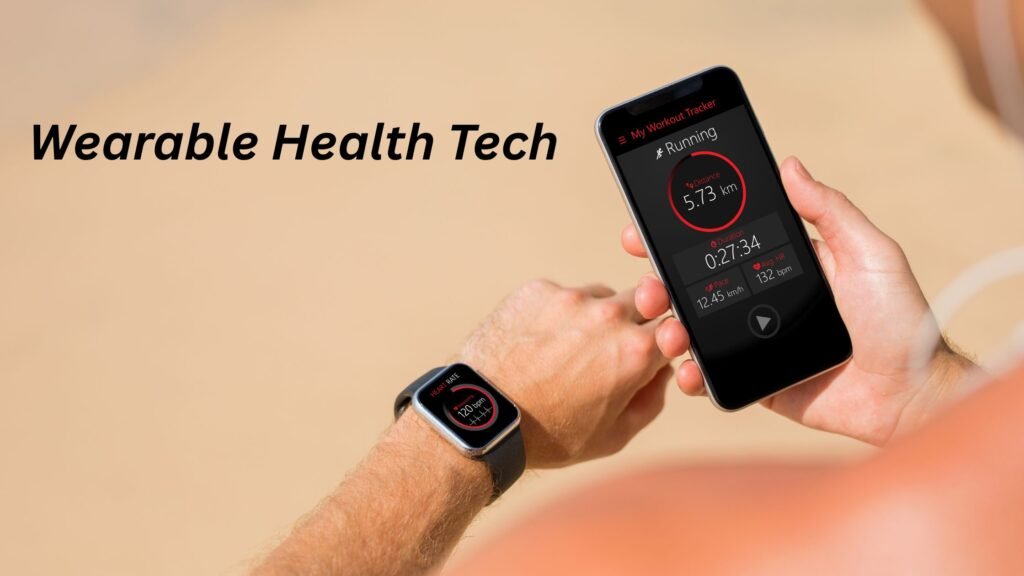
In the last decade, wearable health technology has transformed from a fitness fad into a cornerstone of modern healthcare. From tracking steps to predicting cardiac arrhythmias, wearables are now empowering patients, supporting clinicians, and reshaping how care is delivered. As we move deeper into the digital health era, wearable tech is no longer just about wellness—it’s becoming a powerful clinical tool. The Evolution of Wearables: From Steps to Symptoms The first wave of wearable health devices was dominated by fitness bands like Fitbit and Jawbone, which focused on daily activity, heart rate, and sleep quality. These laid the foundation for user awareness and engagement. However, technological advances and increased health consciousness—accelerated by the COVID-19 pandemic—have pushed wearables into more complex territory. Today’s smartwatches and wearable biosensors are capable of: 1. Continuous ECG monitoring 2. Blood oxygen saturation (SpO₂) readings 3. Sleep stage tracking 4. Blood pressure estimation 5. Atrial fibrillation detection 6. Glucose monitoring (CGM) Devices such as the Apple Watch, Garmin, and Oura Ring have brought clinical-grade features to the consumer’s wrist or finger. Key Applications in Healthcare: 1. Chronic Disease Management Wearables are proving invaluable in managing chronic conditions such as: Diabetes: Continuous glucose monitors (CGMs) like the Dexcom G7 and Abbott FreeStyle Libre provide real-time blood sugar trends, reducing the need for finger-pricks and helping tailor insulin therapy. Hypertension: Smartwatches with blood pressure sensors, like the Samsung Galaxy Watch, assist in early detection and lifestyle modification. Heart Failure & Arrhythmias: Devices capable of detecting atrial fibrillation and heart rate variability allow for early interventions, reducing hospital admissions. 2. Remote Patient Monitoring (RPM) The rise of telemedicine has accelerated the adoption of wearable tech in Remote Patient Monitoring programs. Clinicians can now monitor vital parameters in real-time, improving care for patients with: 1. Post-operative recovery 2. COPD and asthma 3. Post-COVID syndrome 4. Geriatric frailty RPM has proven especially valuable in rural or underserved areas, where in-person follow ups may not be feasible. 3. Preventive Health and Wellness Beyond disease, wearables foster proactive wellness by promoting: 1. Physical activity through gamification and daily goals 2. Mindfulness and stress reduction with heart rate variability monitoring and guided breathing 3. Sleep hygiene via in-depth sleep stage analysis and alerts for circadian disruption For users and employers alike, these insights translate into fewer sick days, better mental health, and improved productivity. Integration with AI and Health Platforms Modern wearables are increasingly integrated with AI algorithms, allowing for predictive analytics. For example: 1. Apple Watch Series 9 can detect irregular rhythms and suggest an ECG. 2. Oura Ring predicts menstrual cycles and recovery readiness based on body temperatureand HRV. 3. WHOOP bands use AI to provide strain, recovery, and sleep scores, helping athletes and health-conscious users optimize performance. Additionally, integration with Electronic Health Records (EHRs) allows clinicians to make decisions based on wearable data, supporting a more holistic, continuous care model. Regulatory and Ethical Considerations With clinical-grade data comes clinical responsibility. Regulatory bodies like the FDA in the U.S. have begun evaluating wearables for medical approval. Devices like the Apple Watch ECG function and Fitbit’s AFib detection have already received FDA clearance. However, ethical concerns remain: Data Privacy: Who owns your health data—the company or the consumer? Encryption and consent-based data sharing are crucial. Equity and Access: The high cost of wearables may widen health disparities unless subsidies or insurance integration improve access. Medical Liability: As devices begin predicting health events, clinicians and manufacturers must navigate legal accountability. Future Trends in Wearable Health Tech 1. Wearables for Mental Health Emerging wearables now track stress levels, mood, and even early signs of depression using metrics like heart rate variability and skin temperature. Startups like Empatica are exploring seizure prediction and mood disorder detection. 2. Biosensing Tattoos and Skin Patches The future may not be strapped to your wrist. Thin, flexible patches or biosensing tattoos can measure hydration, electrolytes, lactate, and drug levels through sweat or interstitial fluid—paving the way for non-invasive diagnostics. 3. AI-Powered Health Coaching AI will soon offer personalized coaching, nudging users toward healthier behaviors based on contextual and biometric data—like suggesting hydration after noticing increased heart rate and body temperature. Challenges in Implementation Despite enthusiasm, several barriers persist: Data Overload: Clinicians may find it difficult to interpret vast streams of wearable data without smart filtering tools. Device Accuracy: Consumer-grade devices vary in precision. Clinical validation studies are essential before integrating into medical workflows. User Adherence: Long-term compliance drops if devices are uncomfortable, complex, or have short battery life. Education and user-friendly design will be key to long-term engagement. India’s Growing Market for Wearables: India has witnessed a surge in wearable tech adoption. Brands like Noise, boAt, and GOQii are making affordable wearables accessible to the masses. Government and corporate wellness programs are also Integrating wearables to monitor employee health. Moreover, NITI Aayog’s National Digital Health Mission (NDHM) aims to integrate digital health data—including wearables—into a unified health stack. Conclusion: Wearable health technology has evolved from a novelty to a necessity. Whether you’re a patient managing diabetes, a physician monitoring heart failure remotely, or a healthy adult seeking optimal sleep, wearables have something to offer. Their potential to bridge preventive, personalized, and participatory healthcare is immense. As technology improves, wearables will become even more invisible, intelligent, and impactful—helping us not just live longer, but live healthier.

Wearable Health Tech: From Fitness to Remote Patient Monitoring Read More »

Best Treatment Doctor for Leptospirosis in Mumbai

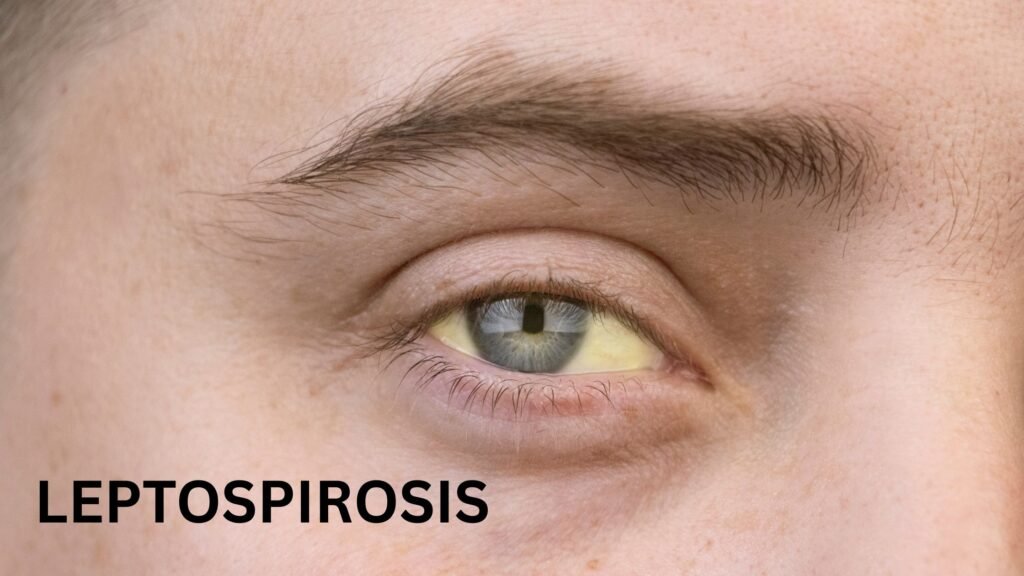
Leptospirosis is a bacterial disease that affects both humans and animals, caused by infection with bacteria of the genus Leptospira. It is an important but often neglected zoonotic disease in tropical and subtropical regions, particularly during and after the monsoon season. In India, leptospirosis is a significant public health concern, especially in flood-prone areas & slums. Etiology (Cause): Leptospirosis is caused by pathogenic strains of the bacterium Leptospira interrogans, a spirochete (spiral-shaped bacteria). Over 300 serovars (serotypes) of Leptospira are known, and the pathogenic strains can infect a wide range of animals, including rodents, livestock, and pets. The bacteria thrive in moist, warm environments — particularly in stagnant water, wet soil, and sewage. Reservoirs: Rats (especially the brown rat, Rattus norvegicus) are the most important reservoir worldwide. Other reservoirs include dogs, cattle, pigs, and wild animals. Incubation period: Typically 2 to 30 days (average of 7–12 days). Transmission: Leptospirosis is a classic example of a zoonotic disease — transmitted from animals to humans. Humans acquire infection primarily through direct or indirect contact with the urine of infected animals or contaminated water/soil. Main transmission routes: 1. Skin Contact: Through cuts, abrasions, or even intact skin (especially prolonged immersion). 2. Mucous Membranes: Eyes, nose, mouth. 3. Ingestion: Drinking contaminated water or consuming contaminated food. 4. Inhalation: Rare but possible through aerosolized particles. High-risk activities: 1. Walking through floodwaters. 2. Agricultural work. 3. Cleaning drains or sewage. 4. Adventure sports (rafting, swimming in rivers/lakes). 5. Handling animals or animal products. 6. Person-to-person transmission is extremely rare but has been reported in cases of sexual contact and breastfeeding. Symptoms: The clinical spectrum of leptospirosis ranges from subclinical infection to severe life threatening illness. Most infections are mild, but about 5–15% can become severe. Mild Leptospirosis (Anicteric Leptospirosis) Seen in ~90% of cases. Symptoms resemble a flu-like illness. Common symptoms: 1. High fever (sudden onset) 2. Chills and rigors 3. Headache (often severe, behind eyes) 4. Myalgia (muscle pain), especially calf and lumbar region 5. Nausea, vomiting 6. Diarrhea Conjunctival suffusion (red eyes without discharge) — a characteristic but not pathognomonic sign Rash — sometimes present Duration: 1. Typically resolves in 1–2 weeks. 2. Severe Leptospirosis (Weil’s Disease) 3. Occurs in about 5–10% of patients. Triad: 1. Jaundice 2. Renal failure 3. Hemorrhage Clinical features: 1. Deep yellow skin (jaundice) 2. Oliguria or anuria (kidney failure) 3. Bleeding tendencies (petechiae, ecchymoses, pulmonary hemorrhage) 4. Hypotension (shock) 5. Hepatomegaly, splenomegaly 6. Respiratory distress (acute lung injury / ARDS) 7. Altered mental status (meningitis, encephalopathy) Other Possible Manifestations: 1. Aseptic meningitis 2. Myocarditis 3. Uveitis 4. Pancreatitis 5. Rhabdomyolysis 6. Biphasic Course Some patients have a biphasic illness: 1. Initial septicemic phase (with fever) 2. Followed by an immune phase (with antibodies present, aseptic meningitis, etc.) Diagnosis: Clinical suspicion is key, especially in endemic areas after flooding. Laboratory confirmation: 1. Serology (gold standard): Microscopic Agglutination Test (MAT) — most specific but technically demanding. ELISA for IgM — more commonly used. 2. Molecular tests: PCR for Leptospira DNA — sensitive in the early phase. 3. Culture: Specialized media required; takes weeks. Rarely used for routine diagnosis. Supportive lab findings: 1. Leukocytosis with left shift 2. Thrombocytopenia 3. Elevated creatinine and urea 4. Elevated bilirubin (predominantly conjugated) 5. Transaminase elevation 6. Prolonged PT / APTT in severe disease Treatment: Early antibiotic treatment significantly reduces disease severity and duration. Mild Disease Oral Doxycycline 100 mg twice daily for 5–7 days. Alternative: Azithromycin 500 mg once daily for 5 days. Moderate to Severe Disease IV Penicillin G 1.5 million units every 6 hours for 7 days. IV Ceftriaxone 1–2 g once daily for 7 days — equally effective and more commonly used now. IV Cefotaxime is another alternative. Supportive Care: Fluid and electrolyte management. Dialysis if renal failure occurs. Mechanical ventilation for respiratory distress. Management of DIC and bleeding. Important points: Start antibiotics as early as possible — do not wait for lab confirmation. Jarisch-Herxheimer reaction (febrile reaction post-antibiotic) can occur — supportive management required. Prevention: Public health measures and individual precautions are critical to prevent leptospirosis, especially during monsoon seasons. Personal Protective Measures: 1. Avoid wading through floodwaters. 2. Wear protective clothing, boots, gloves when exposure is unavoidable. 3. Cover cuts and abrasions with waterproof dressings. 4. Practice good hand hygiene after handling animals or contaminated material. 5. Water and Food Safety 6. Drink only boiled or treated water. 7. Avoid consuming food exposed to floodwaters. 8. Maintain sanitation and rodent control. Community-level Measures: 1. Drainage and flood management in urban areas. 2. Proper sewage disposal. 3. Rodent control campaigns. 4. Public awareness campaigns during monsoon. Chemoprophylaxis: For high-risk groups (e.g. rescue workers, farmers during floods): Doxycycline 200 mg once weekly during the period of exposure has shown efficacy. Not a replacement for other preventive measures but useful adjunct. Conclusion: Leptospirosis remains a major public health challenge in India, especially during the monsoon. While it is usually mild, severe cases can be life-threatening without prompt diagnosis and treatment. Awareness, early recognition, timely antibiotic therapy, and preventive strategies can substantially reduce the burden of this disease. As climate change leads to more frequent extreme weather events, the risk of leptospirosis outbreaks will likely increase — making it more important than ever to stay informed and vigilant.

Best Treatment Doctor for Leptospirosis in Mumbai Read More »