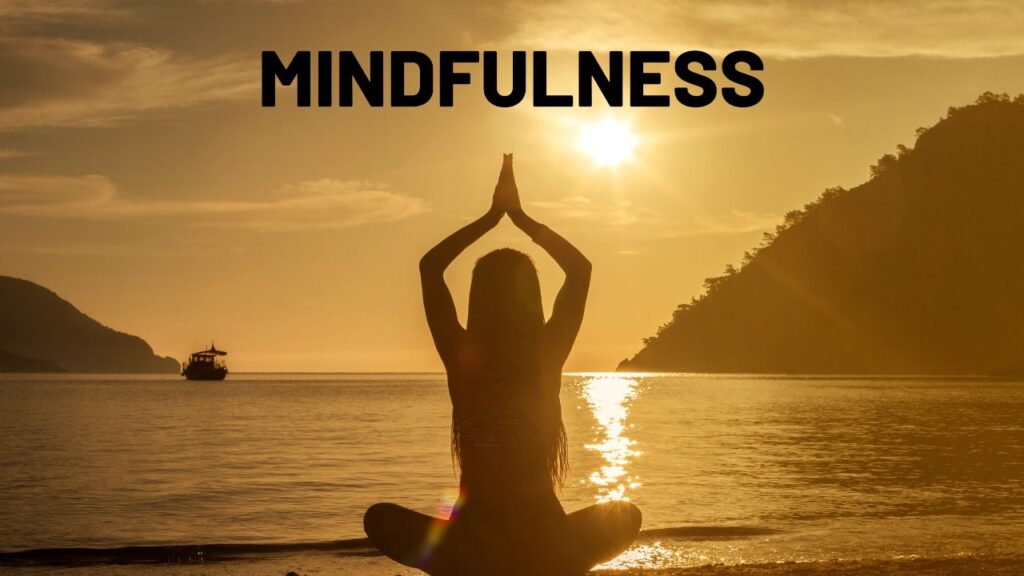

Mindfulness is a practice that has gained popularity in recent years as people seek ways to manage stress, anxiety, and improve overall mental well-being.
This ancient practice has roots in Buddhist meditation traditions but has been adapted and modified for use in modern society.
At its core, mindfulness is about being fully present in the moment and paying attention to our thoughts, feelings, sensations, and surroundings without judgment.
It involves bringing awareness to our experiences and being open and accepting of whatever arises, whether it is positive or negative.
One of the key components of mindfulness is the practice of meditation. Meditation is a way to train the mind to focus on the present moment and cultivate a sense of mindfulness.
There are many different types of meditation practices, from sitting quietly and focusing on the breath to walking meditation and loving-kindness meditation.
Mindfulness can also be practiced in everyday activities such as eating, walking, and even washing dishes. The idea is to bring the same level of awareness and attentiveness to these activities as one would during formal meditation practice.
By doing so, we can cultivate a sense of calm and focus that can help us navigate the challenges of daily life with greater ease.
Research has shown that mindfulness can have a wide range of benefits for both mental and physical health.
Studies have found that mindfulness can reduce stress, anxiety, and depression, improve focus and concentration, enhance memory and cognitive abilities, and even boost immune function.
One of the reasons mindfulness is so effective is that it helps us to break free from the cycle of automatic pilot that many of us operate on.
Often, our minds are preoccupied with worries about the past or future, and we fail to fully engage with the present moment.
By cultivating mindfulness, we can learn to step out of this cycle and be more fully present in our lives.
Another benefit of mindfulness is that it can help us to become more aware of our thoughts and emotions. Often, we are swept away by our thoughts and feelings, reacting automatically without stopping to consider whether our reactions are helpful or appropriate.
Mindfulness can help us to cultivate a greater sense of self-awareness and emotional regulation, allowing us to respond more skillfully to challenging situations.
In addition to its mental health benefits, mindfulness has also been shown to have positive effects on physical health. For example, mindfulness can help to reduce blood pressure, alleviate chronic pain, improve sleep, and even enhance athletic performance.
By reducing stress and promoting relaxation, mindfulness can have a profound impact on overall wellbeing.
Despite its many benefits, mindfulness is not a quick fix or a one-size-fits-all solution. Like any skill, it takes time and practice to develop mindfulness, and it can be challenging at times.
However, with dedication and persistence, anyone can learn to cultivate mindfulness and reap its many rewards.
There are many ways to incorporate mindfulness into our daily lives. One of the most common ways is through formal meditation practice.
This can involve sitting quietly and focusing on the breath, body, or sensations. There are also many guided meditations available online or through apps that can help beginners get started.
In addition to formal meditation practice, mindfulness can also be integrated into everyday activities. For example, when eating a meal, one can focus on the flavors and textures of the food, being fully present with each bite.
When taking a walk, one can pay attention to the sights, sounds, and smells of the environment, rather than getting lost in thoughts.
In conclusion, mindfulness is a powerful practice that can have profound effects on mental and physical health. By bringing awareness and acceptance to our experiences, we can learn to navigate life’s challenges with greater ease and grace.
Whether through formal meditation practice or everyday activities, anyone can cultivate mindfulness and experience its many benefits.
So why not give it a try and see how mindfulness can transform your life?
This article answered all my questions—very useful and easy
to follow.