wearable-health-tech

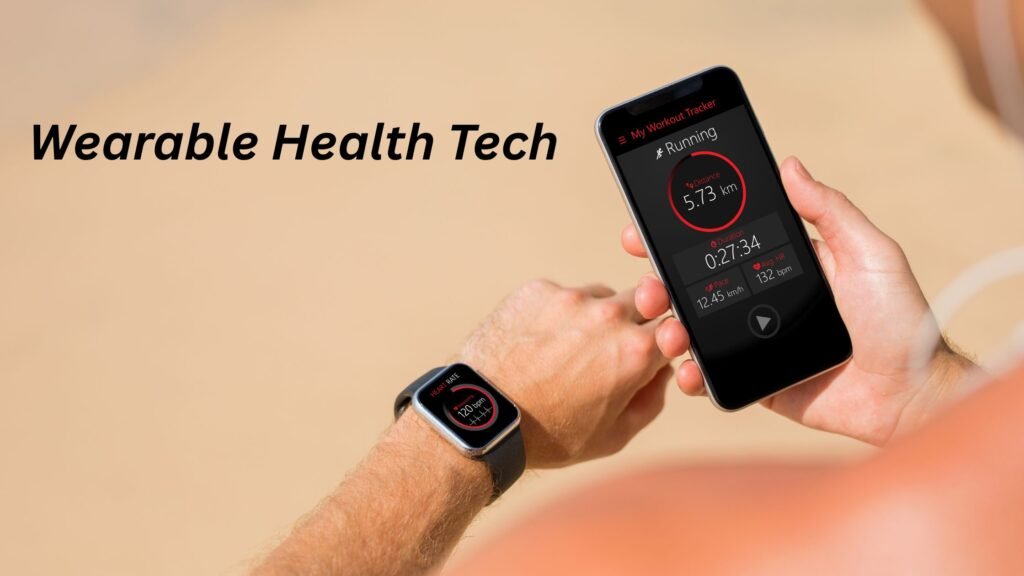
Wearable Health Tech: From Fitness to Remote Patient Monitoring

In the last decade, wearable health technology has transformed from a fitness fad into a cornerstone of modern healthcare. From tracking steps to predicting cardiac arrhythmias, wearables are now empowering patients, supporting clinicians, and reshaping how care is delivered. As we move deeper into the digital health era, wearable tech is no longer just about wellness—it’s becoming a powerful clinical tool. The Evolution of Wearables: From Steps to Symptoms The first wave of wearable health devices was dominated by fitness bands like Fitbit and Jawbone, which focused on daily activity, heart rate, and sleep quality. These laid the foundation for user awareness and engagement. However, technological advances and increased health consciousness—accelerated by the COVID-19 pandemic—have pushed wearables into more complex territory. Today’s smartwatches and wearable biosensors are capable of: 1. Continuous ECG monitoring 2. Blood oxygen saturation (SpO₂) readings 3. Sleep stage tracking 4. Blood pressure estimation 5. Atrial fibrillation detection 6. Glucose monitoring (CGM) Devices such as the Apple Watch, Garmin, and Oura Ring have brought clinical-grade features to the consumer’s wrist or finger. Key Applications in Healthcare: 1. Chronic Disease Management Wearables are proving invaluable in managing chronic conditions such as: Diabetes: Continuous glucose monitors (CGMs) like the Dexcom G7 and Abbott FreeStyle Libre provide real-time blood sugar trends, reducing the need for finger-pricks and helping tailor insulin therapy. Hypertension: Smartwatches with blood pressure sensors, like the Samsung Galaxy Watch, assist in early detection and lifestyle modification. Heart Failure & Arrhythmias: Devices capable of detecting atrial fibrillation and heart rate variability allow for early interventions, reducing hospital admissions. 2. Remote Patient Monitoring (RPM) The rise of telemedicine has accelerated the adoption of wearable tech in Remote Patient Monitoring programs. Clinicians can now monitor vital parameters in real-time, improving care for patients with: 1. Post-operative recovery 2. COPD and asthma 3. Post-COVID syndrome 4. Geriatric frailty RPM has proven especially valuable in rural or underserved areas, where in-person follow ups may not be feasible. 3. Preventive Health and Wellness Beyond disease, wearables foster proactive wellness by promoting: 1. Physical activity through gamification and daily goals 2. Mindfulness and stress reduction with heart rate variability monitoring and guided breathing 3. Sleep hygiene via in-depth sleep stage analysis and alerts for circadian disruption For users and employers alike, these insights translate into fewer sick days, better mental health, and improved productivity. Integration with AI and Health Platforms Modern wearables are increasingly integrated with AI algorithms, allowing for predictive analytics. For example: 1. Apple Watch Series 9 can detect irregular rhythms and suggest an ECG. 2. Oura Ring predicts menstrual cycles and recovery readiness based on body temperatureand HRV. 3. WHOOP bands use AI to provide strain, recovery, and sleep scores, helping athletes and health-conscious users optimize performance. Additionally, integration with Electronic Health Records (EHRs) allows clinicians to make decisions based on wearable data, supporting a more holistic, continuous care model. Regulatory and Ethical Considerations With clinical-grade data comes clinical responsibility. Regulatory bodies like the FDA in the U.S. have begun evaluating wearables for medical approval. Devices like the Apple Watch ECG function and Fitbit’s AFib detection have already received FDA clearance. However, ethical concerns remain: Data Privacy: Who owns your health data—the company or the consumer? Encryption and consent-based data sharing are crucial. Equity and Access: The high cost of wearables may widen health disparities unless subsidies or insurance integration improve access. Medical Liability: As devices begin predicting health events, clinicians and manufacturers must navigate legal accountability. Future Trends in Wearable Health Tech 1. Wearables for Mental Health Emerging wearables now track stress levels, mood, and even early signs of depression using metrics like heart rate variability and skin temperature. Startups like Empatica are exploring seizure prediction and mood disorder detection. 2. Biosensing Tattoos and Skin Patches The future may not be strapped to your wrist. Thin, flexible patches or biosensing tattoos can measure hydration, electrolytes, lactate, and drug levels through sweat or interstitial fluid—paving the way for non-invasive diagnostics. 3. AI-Powered Health Coaching AI will soon offer personalized coaching, nudging users toward healthier behaviors based on contextual and biometric data—like suggesting hydration after noticing increased heart rate and body temperature. Challenges in Implementation Despite enthusiasm, several barriers persist: Data Overload: Clinicians may find it difficult to interpret vast streams of wearable data without smart filtering tools. Device Accuracy: Consumer-grade devices vary in precision. Clinical validation studies are essential before integrating into medical workflows. User Adherence: Long-term compliance drops if devices are uncomfortable, complex, or have short battery life. Education and user-friendly design will be key to long-term engagement. India’s Growing Market for Wearables: India has witnessed a surge in wearable tech adoption. Brands like Noise, boAt, and GOQii are making affordable wearables accessible to the masses. Government and corporate wellness programs are also Integrating wearables to monitor employee health. Moreover, NITI Aayog’s National Digital Health Mission (NDHM) aims to integrate digital health data—including wearables—into a unified health stack. Conclusion: Wearable health technology has evolved from a novelty to a necessity. Whether you’re a patient managing diabetes, a physician monitoring heart failure remotely, or a healthy adult seeking optimal sleep, wearables have something to offer. Their potential to bridge preventive, personalized, and participatory healthcare is immense. As technology improves, wearables will become even more invisible, intelligent, and impactful—helping us not just live longer, but live healthier.

Wearable Health Tech: From Fitness to Remote Patient Monitoring Read More »
Best Treatment Doctor for Leptospirosis in Mumbai

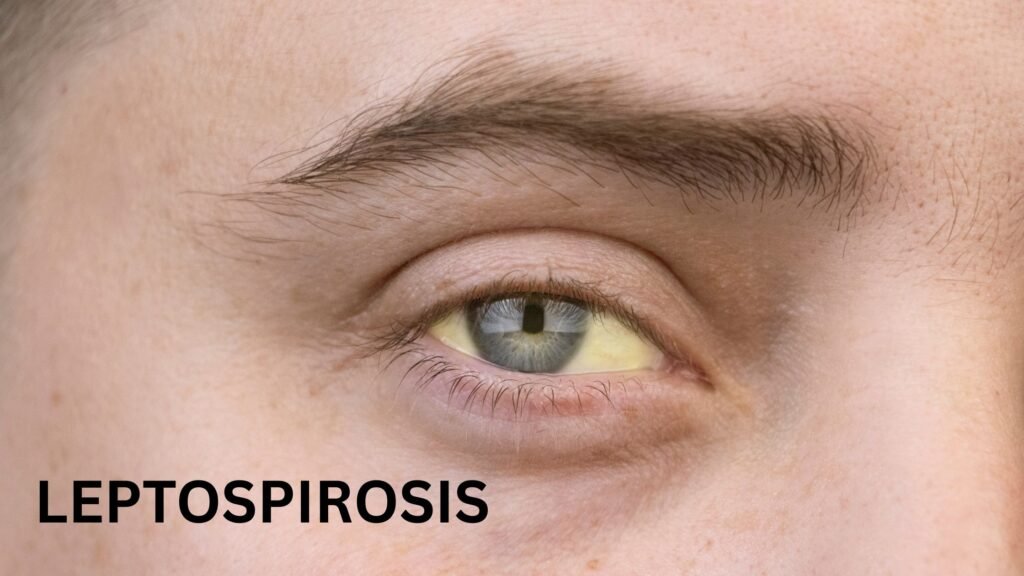
Leptospirosis is a bacterial disease that affects both humans and animals, caused by infection with bacteria of the genus Leptospira. It is an important but often neglected zoonotic disease in tropical and subtropical regions, particularly during and after the monsoon season. In India, leptospirosis is a significant public health concern, especially in flood-prone areas & slums. Etiology (Cause): Leptospirosis is caused by pathogenic strains of the bacterium Leptospira interrogans, a spirochete (spiral-shaped bacteria). Over 300 serovars (serotypes) of Leptospira are known, and the pathogenic strains can infect a wide range of animals, including rodents, livestock, and pets. The bacteria thrive in moist, warm environments — particularly in stagnant water, wet soil, and sewage. Reservoirs: Rats (especially the brown rat, Rattus norvegicus) are the most important reservoir worldwide. Other reservoirs include dogs, cattle, pigs, and wild animals. Incubation period: Typically 2 to 30 days (average of 7–12 days). Transmission: Leptospirosis is a classic example of a zoonotic disease — transmitted from animals to humans. Humans acquire infection primarily through direct or indirect contact with the urine of infected animals or contaminated water/soil. Main transmission routes: 1. Skin Contact: Through cuts, abrasions, or even intact skin (especially prolonged immersion). 2. Mucous Membranes: Eyes, nose, mouth. 3. Ingestion: Drinking contaminated water or consuming contaminated food. 4. Inhalation: Rare but possible through aerosolized particles. High-risk activities: 1. Walking through floodwaters. 2. Agricultural work. 3. Cleaning drains or sewage. 4. Adventure sports (rafting, swimming in rivers/lakes). 5. Handling animals or animal products. 6. Person-to-person transmission is extremely rare but has been reported in cases of sexual contact and breastfeeding. Symptoms: The clinical spectrum of leptospirosis ranges from subclinical infection to severe life threatening illness. Most infections are mild, but about 5–15% can become severe. Mild Leptospirosis (Anicteric Leptospirosis) Seen in ~90% of cases. Symptoms resemble a flu-like illness. Common symptoms: 1. High fever (sudden onset) 2. Chills and rigors 3. Headache (often severe, behind eyes) 4. Myalgia (muscle pain), especially calf and lumbar region 5. Nausea, vomiting 6. Diarrhea Conjunctival suffusion (red eyes without discharge) — a characteristic but not pathognomonic sign Rash — sometimes present Duration: 1. Typically resolves in 1–2 weeks. 2. Severe Leptospirosis (Weil’s Disease) 3. Occurs in about 5–10% of patients. Triad: 1. Jaundice 2. Renal failure 3. Hemorrhage Clinical features: 1. Deep yellow skin (jaundice) 2. Oliguria or anuria (kidney failure) 3. Bleeding tendencies (petechiae, ecchymoses, pulmonary hemorrhage) 4. Hypotension (shock) 5. Hepatomegaly, splenomegaly 6. Respiratory distress (acute lung injury / ARDS) 7. Altered mental status (meningitis, encephalopathy) Other Possible Manifestations: 1. Aseptic meningitis 2. Myocarditis 3. Uveitis 4. Pancreatitis 5. Rhabdomyolysis 6. Biphasic Course Some patients have a biphasic illness: 1. Initial septicemic phase (with fever) 2. Followed by an immune phase (with antibodies present, aseptic meningitis, etc.) Diagnosis: Clinical suspicion is key, especially in endemic areas after flooding. Laboratory confirmation: 1. Serology (gold standard): Microscopic Agglutination Test (MAT) — most specific but technically demanding. ELISA for IgM — more commonly used. 2. Molecular tests: PCR for Leptospira DNA — sensitive in the early phase. 3. Culture: Specialized media required; takes weeks. Rarely used for routine diagnosis. Supportive lab findings: 1. Leukocytosis with left shift 2. Thrombocytopenia 3. Elevated creatinine and urea 4. Elevated bilirubin (predominantly conjugated) 5. Transaminase elevation 6. Prolonged PT / APTT in severe disease Treatment: Early antibiotic treatment significantly reduces disease severity and duration. Mild Disease Oral Doxycycline 100 mg twice daily for 5–7 days. Alternative: Azithromycin 500 mg once daily for 5 days. Moderate to Severe Disease IV Penicillin G 1.5 million units every 6 hours for 7 days. IV Ceftriaxone 1–2 g once daily for 7 days — equally effective and more commonly used now. IV Cefotaxime is another alternative. Supportive Care: Fluid and electrolyte management. Dialysis if renal failure occurs. Mechanical ventilation for respiratory distress. Management of DIC and bleeding. Important points: Start antibiotics as early as possible — do not wait for lab confirmation. Jarisch-Herxheimer reaction (febrile reaction post-antibiotic) can occur — supportive management required. Prevention: Public health measures and individual precautions are critical to prevent leptospirosis, especially during monsoon seasons. Personal Protective Measures: 1. Avoid wading through floodwaters. 2. Wear protective clothing, boots, gloves when exposure is unavoidable. 3. Cover cuts and abrasions with waterproof dressings. 4. Practice good hand hygiene after handling animals or contaminated material. 5. Water and Food Safety 6. Drink only boiled or treated water. 7. Avoid consuming food exposed to floodwaters. 8. Maintain sanitation and rodent control. Community-level Measures: 1. Drainage and flood management in urban areas. 2. Proper sewage disposal. 3. Rodent control campaigns. 4. Public awareness campaigns during monsoon. Chemoprophylaxis: For high-risk groups (e.g. rescue workers, farmers during floods): Doxycycline 200 mg once weekly during the period of exposure has shown efficacy. Not a replacement for other preventive measures but useful adjunct. Conclusion: Leptospirosis remains a major public health challenge in India, especially during the monsoon. While it is usually mild, severe cases can be life-threatening without prompt diagnosis and treatment. Awareness, early recognition, timely antibiotic therapy, and preventive strategies can substantially reduce the burden of this disease. As climate change leads to more frequent extreme weather events, the risk of leptospirosis outbreaks will likely increase — making it more important than ever to stay informed and vigilant.

Best Treatment Doctor for Leptospirosis in Mumbai Read More »

top-malaria-doctor-mumbai

Best Malaria Treatment Doctor in Mumbai

  Malaria remains one of the world’s most devastating infectious diseases, despite decades of global control efforts. It is a life-threatening illness caused by parasites of the genus Plasmodium, transmitted through the bite of infected female Anopheles mosquitoes. The World Health Organization (WHO) estimates that in 2023, there were approximately 249 million cases of malaria worldwide, resulting in 608,000 deaths, mostly among children in sub-Saharan Africa. Effective control of malaria requires a clear understanding of how it spreads, its clinical features, timely diagnosis, appropriate treatment, and robust prevention strategies. This blog provides a comprehensive overview of these key aspects. Transmission of Malaria: Malaria is transmitted through the bite of an infected female Anopheles mosquito. These mosquitoes are most active between dusk and dawn. When a mosquito bites an infected individual, it ingests blood containing malaria parasites (usually gametocytes). The parasites undergo development in the mosquito’s midgut and migrate to its salivary glands. When the infected mosquito bites another person, it injects sporozoites into the bloodstream, which quickly migrate to the liver. Here they mature and multiply. After a period of 7 to 30 days, the parasites re-enter the bloodstream, infect red blood cells, and initiate the clinical phase of malaria. Less common transmission modes: 1. Congenital malaria (mother to fetus) 2. Blood transfusion from an infected donor 3. Organ transplantation 4. Needle-sharing among intravenous drug users Causative parasites: There are five known Plasmodium species that cause malaria in humans: 1. P. falciparum (most severe and deadly) 2. P. vivax (relapsing, widely distributed) 3. P. ovale (relapsing, less common) 4. P. malariae (chronic, less severe) 5. P. knowlesi (zoonotic, reported in Southeast Asia) Symptoms of Malaria: Malaria symptoms typically appear 10–15 days after the infective mosquito bite. Early recognition is crucial as delayed treatment, especially for P. falciparum, can lead to severe complications and death. Common symptoms: 1. Fever (often cyclical — every 48 or 72 hours, depending on species) 2. Chills and rigors 3. Headache 4. Sweats 5. Fatigue 6. Muscle aches 7. Nausea and vomiting Other possible symptoms: 1. Abdominal pain 2. Diarrhea 3. Cough 4. Anemia 5. Jaundice (yellowing of skin and eyes) Severe malaria features (medical emergency): 1. Altered mental status / coma (cerebral malaria) 2. Severe anemia 3. Respiratory distress 4. Acute kidney injury 5. Bleeding / coagulation abnormalities 6. Shock Pregnant women, children under 5, and immunocompromised individuals are at higher risk of severe malaria. Diagnosis of Malaria: Prompt and accurate diagnosis is essential for appropriate treatment and to prevent complications. Microscopic examination: 1. Thick and thin blood smears stained with Giemsa remain the gold standard. 2. Thick smears are used for detecting the presence of parasites. 3. Thin smears help identify the specific species of Plasmodium. Rapid diagnostic tests (RDTs): 1. Detect parasite antigens in blood using a lateral flow immunoassay. 2. Useful in settings where microscopy is unavailable. 3. Results in 15–30 minutes. 4. Cannot quantify parasitemia or always identify species. Molecular methods: Polymerase Chain Reaction (PCR) can detect low-level parasitemia and mixed infections. Mainly used in research and reference laboratories. Serology: 1. Detects antibodies to malaria parasites. 2. Not useful for diagnosing acute infections but helpful in epidemiological studies. Important note: Malaria is a medical emergency — in febrile travelers returning from endemic regions, malaria must always be ruled out urgently. Treatment of Malaria: Treatment depends on the infecting species, disease severity, patient’s age, pregnancy status, and drug resistance patterns in the region. Treatment of uncomplicated malaria: Artemisinin-based combination therapies (ACTs) are the first-line treatment for P. falciparum: Artemether-lumefantrine Artesunate-amodiaquine Artesunate-mefloquine Dihydroartemisinin-piperaquine For P. vivax, P. ovale, and P. malariae, ACT is also used, followed by primaquine to eliminate liver hypnozoites and prevent relapses. Treatment of severe malaria: Intravenous artesunate is the treatment of choice. If unavailable, IV quinine or quinidine may be used. Supportive care includes: 1. Fluid and electrolyte management 2. Blood transfusion if required 3. Management of complications (renal failure, seizures, etc.) Special populations: Pregnant women: quinine + clindamycin (first trimester) or ACT (second and third trimesters). Children: weight-based dosing of ACT. Resistance is a major challenge — resistance to chloroquine and artemisinin has emerged in parts of Southeast Asia, necessitating surveillance and careful drug selection. Prevention of Malaria: Prevention is crucial, especially in endemic regions and for travelers. Vector control: 1. Insecticide-treated bed nets (ITNs): One of the most effective tools to reduce malaria transmission. 2. Indoor residual spraying (IRS): Periodic application of insecticides to walls inside homes. 3. Environmental measures: Larval source management, clearing breeding sites. Personal protection: Wearing long-sleeved clothing after sunset. Applying insect repellents (DEET, picaridin). Using screened windows and doors. Chemoprophylaxis (for travelers to endemic areas): Atovaquone-proguanil Doxycycline Mefloquine Choice depends on destination, drug tolerance, and individual health factors. Vaccination: The RTS,S/AS01 (Mosquirix) vaccine has been approved for children in certain high-burden African countries. Ongoing research is underway for more effective vaccines. Public health strategies: Prompt diagnosis and treatment of cases to reduce the reservoir of infection. Surveillance and rapid response to outbreaks. Health education and community participation. Conclusion: Malaria continues to pose a significant global health burden, especially in tropical and subtropical regions. However, with early diagnosis, effective treatment, and robust preventive measures, it is a disease that can be controlled — and eventually eliminated. Healthcare professionals must maintain a high index of suspicion for malaria, especially in febrile patients returning from endemic areas. Equally, educating communities, ensuring vector control, and promoting preventive strategies are key to reducing malaria transmission. With coordinated global efforts and advancing scientific innovations such as vaccines and novel treatments, the goal of “zero malaria” is within reach — but sustained vigilance and commitment remain essential.

Best Malaria Treatment Doctor in Mumbai Read More »

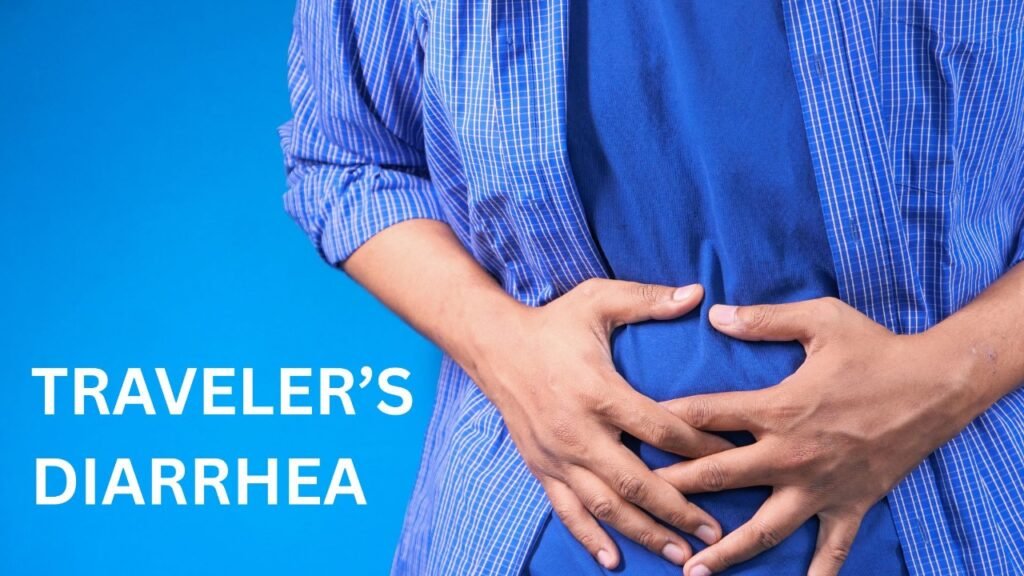
travelers-diarrhea

Traveler’s Diarrhea: A Complete Guide for Globetrotters

Traveling opens doors to new cultures, foods, and unforgettable experiences. But sometimes, those culinary adventures can lead to an unwelcome detour—traveler’s diarrhea (TD). Affecting millions of international travelers each year, this common illness can disrupt your itinerary and affect your health. Understanding its causes, symptoms, and how to prevent or treat it can help you stay healthy while exploring the world. What Is Traveler’s Diarrhea? Traveler’s diarrhea is a digestive tract disorder characterized by frequent, loose stools often accompanied by other gastrointestinal symptoms. It typically occurs after consuming contaminated food or water while visiting regions with inadequate sanitation practices. While not usually life-threatening, it can lead to dehydration, fatigue, and lost travel time. Causes: The primary cause of traveler’s diarrhea is the ingestion of harmful microorganisms present in food or water. These include: 1. Bacteria (most common) • Enterotoxigenic Escherichia coli (ETEC) – responsible for up to 60% of cases. • Campylobacter jejuni • Shigella • Salmonella 2. Viruses • Norovirus – especially common on cruise ships or group tours. • Rotavirus – more common in children. 3. Parasites • Giardia lamblia • Entamoeba histolytica • Cryptosporidium These organisms contaminate food or drinks through unclean handling, improper cooking, or use of contaminated water sources. Transmission: Traveler’s diarrhea is typically acquired through: • Contaminated food or beverages – street food, raw fruits or vegetables, undercooked meat or seafood. • Unclean water – tap water, ice cubes, or drinks diluted with local water. • Poor hand hygiene – touching the mouth after handling infected objects or surfaces. Regions with high risk include parts of Asia, the Middle East, Africa, Mexico, and Central and South America. Symptoms: Symptoms usually begin within 6 to 48 hours after consuming contaminated food or water and may include: • Frequent loose or watery stools (≥3 per day) • Urgent need to defecate • Abdominal cramps and bloating • Nausea or vomiting • Fever (mild to moderate) • Fatigue • Dehydration symptoms – dry mouth, dizziness, low urine output Symptoms typically resolve within 3 to 5 days, but may last longer in cases involving parasites. Diagnosis: Most cases are mild and self-limiting, so no laboratory tests are needed. However, in severe or prolonged cases, stool analysis or cultures may be done to identify the specific pathogen and guide treatment. Seek medical attention if: • Diarrhea persists more than 7 days • There is blood in stools • High fever (>101°F/38.5°C) • Severe abdominal pain • Signs of dehydration • Diarrhea occurs in a child, elderly, or immunocompromised person Treatment: 1. Hydration is Key • Oral rehydration solutions (ORS) are recommended to replace fluids and electrolytes. • In mild cases, clear fluids (broths, diluted fruit juice) may suffice. • Avoid caffeine and alcohol, which worsen dehydration. 2. Dietary Management • Follow the BRAT diet (Bananas, Rice, Applesauce, Toast) during recovery. • Avoid dairy, fatty, or spicy foods. 3. Medications • Antidiarrheal agents: o Loperamide (Imodium): Can reduce stool frequency in mild-moderate cases. o Avoid in cases of bloody diarrhea or high fever. • Antibiotics: o Prescribed in moderate to severe cases or when symptoms interfere with travel plans. Common choices include: ▪ Azithromycin (especially in Asia due to resistance to other drugs) ▪ Ciprofloxacin or Levofloxacin (fluoroquinolones) ▪ Rifaximin (non-absorbed, good for ETEC-related diarrhea) • Antiparasitics: o Required in persistent or parasitic infections. o Examples: Metronidazole or Tinidazole for giardiasis. Always consult a healthcare provider before starting antibiotics. Prevention: Prevention is the most effective approach, especially for those with weakened immunity or chronic conditions. Follow these steps: 1. Food Safety • Eat foods that are thoroughly cooked and served hot. • Avoid street food unless it’s cooked in front of you. • Say no to raw or undercooked meat, seafood, and eggs. • Avoid unpasteurized dairy products. 2. Water Safety • Drink bottled or boiled water only. • Avoid ice cubes in drinks. • Use bottled water for brushing teeth. • Avoid fountain drinks or tap water. 3. Hand Hygiene • Wash hands frequently with soap and water. • Use alcohol-based hand sanitizers (≥60% alcohol) when soap isn’t available. 4. Prophylactic Measures • Pepto-Bismol (bismuth subsalicylate): Can reduce risk if taken prophylactically, but not for long-term use. • Antibiotic prophylaxis: Generally not recommended except for high-risk travelers under medical advice. Who Is at Higher Risk? • Immunocompromised individuals (e.g., HIV, cancer, transplant recipients) • People with chronic diseases (e.g., diabetes, IBD) • Children and older adults • Travelers visiting friends and relatives in high-risk countries When to See a Doctor: While traveler’s diarrhea is often mild, see a doctor if: • Symptoms persist >5–7 days • You develop blood in stools • You experience signs of dehydration • Symptoms worsen despite initial treatment Prompt treatment can prevent complications and get you back to enjoying your journey. Conclusion: Traveler’s diarrhea is an unpleasant yet common issue that can dampen any adventure. With the right preventive strategies, careful food and water choices, and prompt treatment when needed, you can minimize its impact. Staying informed and prepared means you’ll spend more time exploring and less time recovering. Bon voyage and safe travels!

Traveler’s Diarrhea: A Complete Guide for Globetrotters Read More »

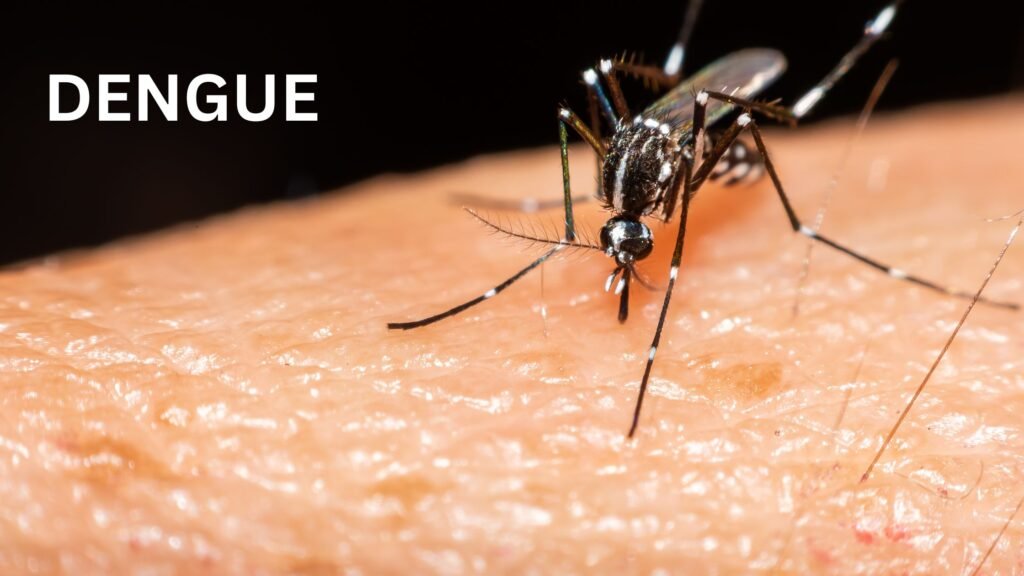
dengue-treatment-doctor-mumbai

Best Dengue Treatment Doctor in Mumbai

What Is Dengue? Dengue, commonly known as “breakbone fever,” is a mosquito-borne viral infection that poses a significant health challenge, particularly in tropical and subtropical regions. Caused by the dengue virus (DENV), which has four distinct serotypes (DENV-1 to DENV-4), dengue affects millions worldwide every year, with recurring outbreaks placing a burden on healthcare systems. Here’s everything you need to know about this disease — from how it’s transmitted to how you can stay safe. How Is Dengue Transmitted? Transmission: Dengue is primarily transmitted through the bite of infected female Aedes aegypti mosquitoes. These mosquitoes are aggressive daytime biters, with peak activity in early morning and before dusk. Key points on transmission: ~ Mosquito vector: Aedes aegypti (most common), occasionally Aedes albopictus. ~ Virus entry: When a mosquito bites a person already infected with DENV, it picks up the virus and becomes a carrier. It can then transmit the virus to another individual through its bite. ~ Incubation in mosquito: The virus incubates in the mosquito for 8–12 days before it can be passed on. ~ No direct human-to-human transmission: Dengue spreads through mosquito bites, not through direct contact. Rare cases of transmission can occur via: ~ Blood transfusions ~ Organ transplants ~ Mother to baby during pregnancy or childbirth Symptoms: Dengue symptoms usually begin 4–10 days after the mosquito bite and can vary in severity. It’s important to recognize the signs early to prevent complications. Common Symptoms: ~ Sudden high fever (up to 104°F or 40°C) ~ Severe headache, especially behind the eyes ~ Muscle and joint pain (hence the term “breakbone fever”) ~ Nausea and vomiting ~ Fatigue and weakness ~ Skin rash (appears 2–5 days after fever) ~ Mild bleeding (e.g., gums, nose, or easy bruising) Severe Dengue (Dengue Hemorrhagic Fever/Dengue Shock Syndrome): This is a potentially fatal complication and typically appears after the initial fever subsides. ~ Severe abdominal pain ~ Persistent vomiting ~ Rapid breathing ~ Blood in vomit or stool ~ Lethargy or restlessness ~ Bleeding under the skin or mucous membranes ~ Drop in platelet count and blood pressure Severe dengue requires immediate hospitalization and intensive care. Diagnosis: Accurate and early diagnosis is crucial to manage dengue effectively. Diagnostic Tools: ~ Clinical Evaluation: Based on patient’s symptoms, travel history, and physical examination. ~ Laboratory Tests: NS1 ~ Antigen Test: Detects dengue virus proteins; useful in the first 5 days of illness. ~ RT-PCR: Detects viral RNA; highly specific, often used in early infection. ~ IgM and IgG Antibody Tests: Detect antibodies formed in response to the virus. IgM appears early, while IgG confirms past infections or secondary dengue. ~ CBC (Complete Blood Count): Monitors platelet count and hematocrit; crucial in identifying warning signs of severe dengue. Early diagnosis helps in monitoring for complications and reducing mortality. Treatment: There is no specific antiviral treatment for dengue, but supportive care plays a vital role in recovery. General Management: ~ Hydration: Adequate fluid intake is essential to prevent dehydration and maintain electrolyte balance. ~ Fever control: Use paracetamol (acetaminophen) for fever and pain. Avoid NSAIDs like aspirin or ibuprofen, as they can increase the risk of bleeding. Hospitalization Criteria: ~ Warning signs like severe abdominal pain, persistent vomiting, or bleeding. ~ Rapid drop in platelet count or signs of dehydration. ~ Infants, elderly patients, or those with co-morbidities. Severe Dengue Care: ~ Requires intravenous fluid replacement and monitoring in an intensive care setting. ~ Blood transfusions may be needed in cases of significant hemorrhage. ~ Recovery from dengue can take 1–2 weeks, although fatigue may persist for longer. Prevention: As there’s no specific treatment or widely available vaccine in many countries, prevention is key in controlling dengue. Mosquito Control Measures: 1. Eliminate breeding sites: Empty and clean water containers weekly (flower pots, bird baths, buckets). Cover water storage containers tightly. Discard items that collect rainwater (old tires, cans, plastic bottles). 2. Use Mosquito Protection: Wear long-sleeved shirts and pants. Apply mosquito repellent containing DEET, picaridin, or oil of lemon eucalyptus. Use mosquito nets, especially for infants and elderly. Install window and door screens to block mosquito entry. 3. Environmental Measures: Community-wide fogging during outbreaks. Public awareness campaigns on mosquito control. Vaccine: Dengvaxia (CYD-TDV) is the only licensed dengue vaccine (for certain age groups and those previously infected), but it’s not universally recommended due to risk of severe disease in dengue-naïve individuals. More vaccine candidates are under development and evaluation. Global Impact: Dengue is endemic in over 100 countries, particularly in Asia, the Americas, Africa, and the Western Pacific. The World Health Organization (WHO) estimates 390 million dengue infections occur annually, with 96 million manifesting clinically. Urbanization, climate change, and increased travel contribute to the spread and intensity of outbreaks. Conclusion: Dengue fever is a preventable yet potentially serious illness that demands community involvement, individual responsibility, and strong public health systems to control. With no curative treatment, prevention through mosquito control and awareness remains the most effective approach. Early detection, hydration, and supportive care can greatly reduce the risk of complications. Stay vigilant, protect yourself and your surroundings, and don’t let the buzz bite. Need Medical Care for Dengue? If you have dengue symptoms or need evaluation, timely medical assessment can help determine the appropriate care and monitoring based on your condition. Consult Dr. Swapnil Gautam for Dengue & Infectious Disease Care

Best Dengue Treatment Doctor in Mumbai Read More »

covid-19-doctor-mumbai

Best COVID-19 Treatment Doctor in Mumbai

Understanding COVID-19 in 2025: Symptoms, Transmission, Diagnosis, Treatment, Prevention, and the Recent Global Surge. As we progress through 2025, COVID-19 continues to evolve, presenting new challenges with emerging variants and regional surges. Recent increases in cases in countries like Singapore, Hong Kong, and others underscore the importance of staying informed about the virus’s symptoms, transmission, diagnosis, treatment, and prevention. Symptoms of COVID-19 COVID-19 symptoms can vary widely, ranging from mild to severe. Common symptoms include: Fever Cough Fatigue Loss of taste or smell Sore throat Headache Muscle or body aches Shortness of breath or difficulty breathing Congestion or runny nose Nausea or vomiting Diarrhea It’s important to note that some individuals may experience symptoms that persist for weeks or months after the initial infection, a condition known as “Long COVID.” Transmission of COVID-19 The virus primarily spreads through respiratory droplets when an infected person coughs, sneezes, talks, or breathes. These droplets can land in the mouths or noses of people nearby or possibly be inhaled into the lungs. Transmission can also occur by touching surfaces contaminated with the virus and then touching one’s face. Diagnosis of COVID-19 Diagnosing COVID-19 typically involves: PCR Tests: Considered the gold standard, these tests detect the virus’s genetic material. Antigen Tests: These rapid tests detect specific proteins from the virus and are useful for quick screening. Antibody Tests: These tests determine if someone had a past infection by detecting antibodies in the blood. Early and accurate diagnosis is crucial for effective isolation and treatment. Treatment of COVID-19 Most people with mild symptoms recover at home with rest, hydration, and over-the counter medications. However, treatments are available for those at higher risk of severe illness: Antiviral Medications: Drugs like Paxlovid can reduce the severity and duration of symptoms. Monoclonal Antibodies: These laboratory-made proteins can help the immune system fight the virus. Supportive Care: Hospitalization may be necessary for severe cases, providing oxygen therapy and other supportive treatments. Consulting healthcare providers promptly can lead to better outcomes, especially for high risk individuals. Prevention of COVID-19 Preventive measures remain the cornerstone of controlling the spread: Vaccination: Staying up-to-date with COVID-19 vaccinations significantly reduces the risk of severe illness and hospitalization. Mask-Wearing: Wearing masks in crowded or indoor settings helps prevent transmission. Hand Hygiene: Regular handwashing with soap or using hand sanitizers eliminates potential viral particles. Physical Distancing: Maintaining distance from others, especially in crowded places, reduces exposure risk. Ventilation: Ensuring good airflow in indoor spaces dilutes and removes viral particles. Adhering to these measures protects not only individuals but also the broader community. Recent Increase in COVID-19 Cases Globally In recent weeks, several countries have reported a surge in COVID-19 cases, attributed to new variants and other factors: Singapore: The country experienced a 28% increase in cases during the first week of May 2025, rising from approximately 11,100 to 14,200 cases. Hospitalizations also saw a 30% uptick. Hong Kong: The region reported its highest COVID-19 activity in a year, with 31 deaths in the week ending May 3, 2025. Test positivity rates doubled over a four-week period, indicating widespread community transmission. India: Cities like Mumbai, Chennai, Bengaluru, Delhi, and Ahmedabad have seen a rise in cases, prompting advisories and preparedness measures from health authorities. Australia: The NB.1.8.1 variant, previously causing surges in China, Taiwan, and Hong Kong, has been detected in Victoria, leading to a 44% rise in reported cases in mid-May 2025. United States: The NB.1.8.1 variant has been identified in multiple states, including New York, California, and Ohio. While cases remain low, health experts emphasize vigilance due to the variant’s rapid spread. The World Health Organization (WHO) has classified NB.1.8.1 as a “variant under monitoring,” noting its increased transmissibility and potential partial resistance to existing immunity. The evolving nature of COVID-19, with emerging variants and regional surges, underscores the importance of continued vigilance. Staying informed about symptoms, adhering to preventive measures, and seeking timely medical advice remain crucial in navigating the ongoing challenges posed by the pandemic. Have Questions About COVID-19 or Persistent Symptoms? If you develop COVID-19 symptoms or have concerns about persistent or worsening symptoms, timely medical evaluation can help determine the appropriate next steps.  Consult Dr. Swapnil Gautam

Best COVID-19 Treatment Doctor in Mumbai Read More »

understanding-acute-mountain-sickness-symptoms-treatment-prevention

Understanding Acute Mountain Sickness: Symptoms, Treatment & Prevention

  What Is Acute Mountain Sickness? Acute Mountain Sickness, or AMS, is a condition that typically occurs when someone ascends to high altitudes (usually above 2,500 meters or 8,000 feet) too quickly without giving the body enough time to acclimatize. As altitude increases, atmospheric pressure drops, and the amount of oxygen in the air decreases. This sudden drop in oxygen availability can lead to AMS in some individuals. The risk and severity of AMS depend on factors like rate of ascent, altitude reached, physical exertion, and individual susceptibility. While AMS is generally mild and resolves with proper care, it can progress into more dangerous forms such as High Altitude Pulmonary Edema (HAPE) and High Altitude Cerebral Edema (HACE) if left untreated. Symptoms of Acute Mountain Sickness: Symptoms of AMS usually begin within 6 to 24 hours of arriving at a high altitude and may range from mild discomfort to debilitating illness. Common symptoms include: Headache Nausea and Vomiting Fatigue and Weakness Dizziness or Lightheadedness Sleep Disturbances Shortness of Breath Loss of Coordination Treatment of Acute Mountain Sickness: AMS can often be managed effectively if caught early. Here’s how to treat mild to moderate Symptoms: Stop Ascent: Halt further climbing. Rest and Acclimatize: Spend an extra day or two at the same altitude. Descend if Necessary: Descending to a lower altitude is often curative. Medications: Acetazolamide (Diamox), pain relievers, antiemetics, and Dexamethasone. Oxygen Therapy: Supplemental oxygen can relieve symptoms. Portable Hyperbaric Chambers: Simulates descent in remote areas. Prevention of Acute Mountain Sickness: The best way to avoid AMS is to plan ahead and allow your body to gradually acclimatize to higher elevations. Tips include: Ascend Slowly Stay Hydrated Eat a Balanced Diet Avoid Alcohol and Sedatives Use Prophylactic Medications like Acetazolamide Condition Your Body Know the Warning Signs When to Seek Emergency Help: Seek immediate descent and medical attention if any of the following occur: Confusion or altered mental state Difficulty walking or speaking Shortness of breath at rest Blue or gray lips and fingernails Severe, persistent vomiting Final Thoughts:- Acute Mountain Sickness is a common but preventable condition that can affect anyone if altitude is gained too rapidly. Understanding the symptoms, listening to your body, and respecting the mountain environment are key to staying safe. Remember: ‘Climb high, sleep low, and never let ambition outpace your acclimatization.

Understanding Acute Mountain Sickness: Symptoms, Treatment & Prevention Read More »

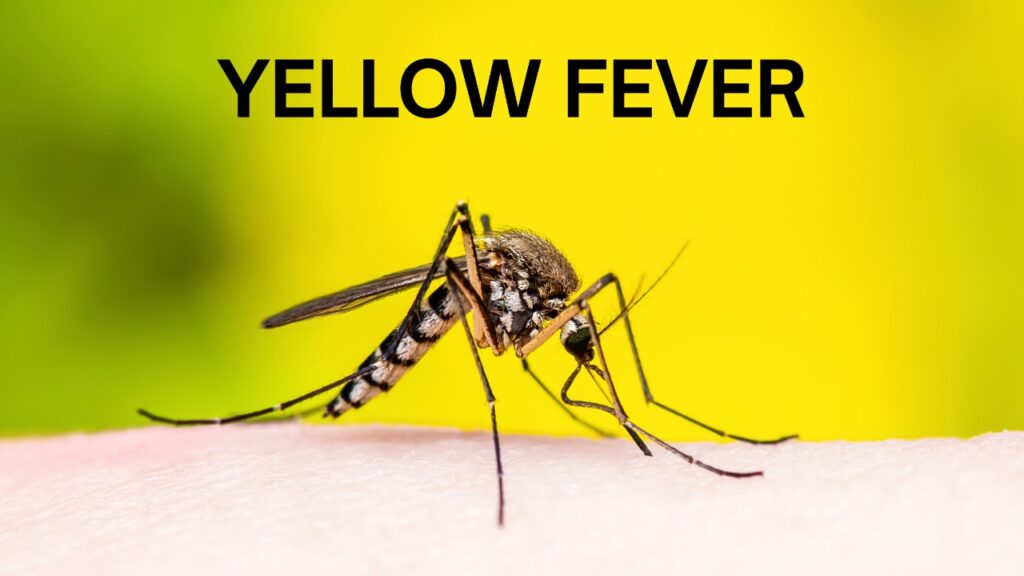
about-yellow-fever

Yellow Fever: What You Need to Know

What is Yellow Fever? A viral hemorrhagic disease caused by the yellow fever virus (Flavivirus). Named after one of its key symptoms: jaundice (yellowing of skin and eyes). How is it Transmitted? Through the bite of infected mosquitoes, primarily:- Aedes aegypti (urban)- Haemagogus (jungle) Transmission Cycles:- Jungle Cycle: Monkeys -> Mosquitoes -> Humans- Intermediate Cycle: Rural outbreaks involving humans & primates- Urban Cycle: Human -> Mosquito -> Human (can trigger epidemics) Symptoms: Acute Phase (Most Cases):- Fever- Headache- Muscle pain (especially back)- Nausea, vomiting- Red eyes, chills Toxic Phase (15% Cases):- High fever returns- Jaundice- Bleeding (mouth, eyes, nose)- Liver & kidney failure- Shock, coma, possibly death Diagnosis: Difficult due to similarity with diseases like malaria/dengue. Confirmed by:- PCR tests (detect virus RNA)- Antibody tests (IgM)- Blood sample analysis Is There a Cure? No specific antiviral treatment. Management includes:- Hospital care- IV fluids, oxygen- Paracetamol for fever (avoid aspirin/NSAIDs)- Blood transfusions if needed Early treatment can save lives. Prevention is Key A. Vaccination:- Single dose = lifelong protection- WHO-recommended for residents/travelers to endemic areas- Required by some countries for entry (International Yellow Card) B. Mosquito Control:- Remove standing water- Use insecticides- Community awareness C. Personal Protection:- Wear full-sleeve clothing- Use DEET-based repellents- Sleep under mosquito nets Global Action & Challenges: WHO efforts include:- Mass vaccinations- Emergency vaccine stockpiles- Disease surveillance Challenges:- Vaccine shortages- Healthcare gaps in rural areas- Urbanization and climate change- Vaccine misinformation Conclusion: Yellow fever is deadly-but preventable. Recognize symptoms- Get vaccinated- Protect yourself from mosquitoes. Together, through education and prevention, we can control and eventually eliminate yellow fever as a global health threat

Yellow Fever: What You Need to Know Read More »

Best Pneumonia Treatment Doctor In Mumbai

Pneumonia is a serious respiratory infection that affects the lungs, causing inflammation in the air sacs, also known as alveoli. This condition can be caused by a variety of pathogens, including bacteria, viruses, and fungi. Pneumonia can be a life-threatening illness, especially for those with weakened immune systems, young children, and the elderly. In this blog post, we will discuss the symptoms, transmission, treatment, and prevention of pneumonia. Symptoms of Pneumonia: Pneumonia can present with a variety of symptoms, which can range from mild to severe. Some common symptoms of pneumonia include:- Coughing, which may produce thick yellow, green, or blood-tinged mucus – Fever, with an accompanying chills and sweating – Shortness of breath or difficulty breathing – Chest pain, especially when breathing or coughing – Fatigue and weakness – Nausea, vomiting, or diarrhea. In severe cases, pneumonia can lead to complications such as sepsis, respiratory failure, and organ damage. It is important to seek medical attention if you experience any of these symptoms, especially if they are persistent or worsening. Transmission of Pneumonia: Pneumonia can be spread through respiratory droplets, which are released into the air when an infected person coughs or sneezes. These droplets can be inhaled by others, leading to the transmission of the infection. Pneumonia can also be acquired through contact with contaminated surfaces or objects, as the pathogens responsible for the infection can survive on surfaces for extended periods. Individuals who are at higher risk of developing pneumonia include those who smoke, have a weakened immune system, or live in crowded or unsanitary conditions. It is important to practice good hygiene, such as frequent handwashing, covering your mouth and nose when coughing or sneezing, and avoiding close contact with individuals who are sick, to reduce the risk of transmission. Treatment of Pneumonia: The treatment for pneumonia depends on the underlying cause of the infection. In cases of bacterial pneumonia, antibiotics are typically prescribed to target the specific bacteria responsible for the infection. It is important to complete the full course of antibiotics as prescribed by your healthcare provider, even if you start feeling better before finishing the medication. For viral pneumonia, antiviral medications may be prescribed to help reduce the severity and duration of the infection. In some cases, supportive care may be necessary, such as oxygen therapy, fluids, and rest. It is important to follow your healthcare provider’s recommendations for treatment and to seek medical attention if your symptoms worsen or do not improve. Prevention of Pneumonia: There are several measures that can be taken to reduce the risk of developing pneumonia. Some key prevention strategies include: – Getting vaccinated: Vaccines are available to protect against certain pathogens that can cause pneumonia, such as the pneumococcal vaccine and the influenza vaccine. It is important to stay up-to-date on your vaccinations to reduce the risk of infection. – Practicing good hygiene: Wash your hands frequently with soap and water, especially before eating or touching your face. Avoid close contact with individuals who are sick, and cover your mouth and nose when coughing or sneezing. – Quitting smoking: Smoking can weaken the immune system and damage the lungs, making individuals more susceptible to respiratory infections such as pneumonia. Quitting smoking can help reduce the risk of developing pneumonia and other respiratory illnesses. – Maintaining a healthy lifestyle: Eating a balanced diet, getting regular exercise, and managing chronic conditions such as diabetes or asthma can help support a healthy immune system and reduce the risk of developing pneumonia. In conclusion, pneumonia is a serious respiratory infection that can have severe consequences if left untreated. It is important to be aware of the symptoms of pneumonia, such as coughing, fever, shortness of breath, and chest pain, and to seek medical attention if you experience these symptoms. By practicing good hygiene, getting vaccinated, and leading a healthy lifestyle, you can help reduce the risk of developing pneumonia and protect your respiratory health. Remember, prevention is key when it comes to protecting yourself and others from respiratory infections like pneumonia.

Best Pneumonia Treatment Doctor In Mumbai Read More »

std-doctor-mumbai

Best Sexually Transmitted Infections Treatment Doctor in Mumbai

Sexually transmitted infections (STIs) are infections that are passed from one person to another through sexual contact. These infections can be caused by bacteria, viruses, or parasites and can lead to serious health issues if left untreated. It is estimated that each year, there are over 1 million new cases of STIs worldwide, making it a major public health concern. Symptoms of STIs can vary depending on the type of infection and the individual’s immune system. Some common symptoms include: 1. Unusual discharge from the genitals 2. Pain or burning during urination 3. Genital sores or ulcers 4. Itching or irritation in the genital area 5. Pain during sex 6. Swollen lymph nodes 7. Pain in the lower abdomen 8. Fever and flu-like symptoms It is important to note that some STIs, such as chlamydia and gonorrhea, may not cause any symptoms at all, making it crucial to get tested regularly if you are sexually active. Diagnosis of STIs typically involves a physical exam, a review of symptoms, and various tests such as urine tests, blood tests, or swab tests of the affected area. It is important to get tested as soon as possible if you suspect you may have an STI, as early detection can prevent complications and help limit the spread of infection to others. Treatment for STIs varies depending on the type of infection. Many bacterial STIs, such as chlamydia, gonorrhea, and syphilis, can be treated with antibiotics. Viral infections such as herpes and HIV can be managed with antiviral medications, but cannot be cured. Some STIs, such as HPV and hepatitis B, have vaccines available to prevent infection. Prevention is key when it comes to STIs. Here are some tips to reduce your risk of infection: 1. Practice safe sex: Use condoms consistently and correctly during every sexual encounter to reduce the risk of transmission of STIs. 2. Get tested regularly: If you are sexually active, it is important to get tested for STIs at least once a year, or more frequently if you have multiple partners. 3. Limit your number of sexual partners: Having multiple sexual partners increases your risk of STIs. Limiting your number of partners can reduce your risk of infection. 4. Communicate with your partner: Talk openly and honestly with your partner about your sexual history and STI status. This can help you both make informed decisions about your sexual health. 5. Avoid sharing needles: If you use injectable drugs, be sure to use clean needles and avoid sharing needles with others to prevent the spread of HIV and hepatitis B and C. In conclusion, STIs are a common and serious health issue that can have long-term consequences if left untreated. It is important to be aware of the symptoms of STIs, get tested regularly, and practice safe sex to prevent infection. If you suspect you may have an STI, seek medical attention promptly for diagnosis and treatment. By taking these steps, you can protect yourself and others from the spread of sexually transmitted infections.

Best Sexually Transmitted Infections Treatment Doctor in Mumbai Read More »