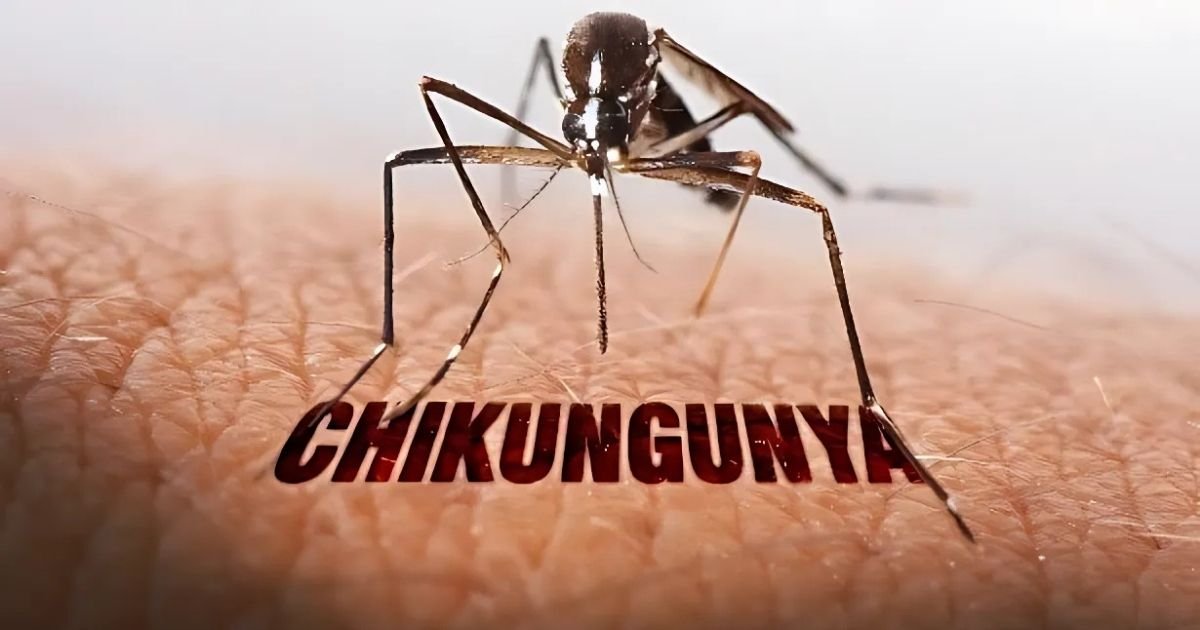
Chikungunya is a mosquito-borne viral disease that has become a major public health challenge in India and several tropicalregions of the world.
Though rarely fatal, it causes significant suffering due to severe joint pain, prolonged weakness, and recurrent symptoms.
Understanding how the disease spreads, how it presents, and what can be done to manage and prevent it is essential to controlling outbreaks.
Transmission of Chikungunya:
Chikungunya is caused by the Chikungunya virus (CHIKV), an RNA virus belonging to the Togaviridae family.
It is transmitted to humans through the bite of infected mosquitoes, primarily:
– Aedes aegypti (the same mosquito responsible for dengue and Zika
– Aedes albopictus (the “tiger mosquito,” widely distributed in rural and urban areas)
These mosquitoes are active during the daytime, especially in early morning and late afternoon.
A single infected mosquito can bite multiple people, facilitating rapid spread in densely populated areas.
Key facts about transmission:
After biting an infected person, the mosquito becomes a carrier and can transmit the virus to others in 4–7 days.
The disease does not spread directly from person to person (no airborne or contact transmission).
Rarely, mother-to-child transmission can occur during delivery if the mother is acutely infected.
Blood transfusion-related transmission is possible but extremely rare.
Because the same vector also spreads dengue and Zika, outbreaks of these diseases often occur simultaneously, making diagnosis and management challenging.
Symptoms of Chikungunya:
The word “Chikungunya” comes from the Kimakonde language of East Africa, meaning “that which bends up”, referring to the stooped posture of patients suffering from severe joint pain.
Incubation period:
Symptoms usually appear 2–7 d ays after being bitten by an infected mosquito.
Common symptoms:
1. High fever (sudden onset, often >39°C / 102°F)
2. Severe joint pain – affecting ankles, wrists, fingers, knees, and lower back
3. Muscle pain and stiffness
4. Headache
5. Fatigue and weakness
6. Skin rash – reddish patches, sometimes itchy
Less common symptoms:
1. Nausea, vomiting
2. Conjunctivitis (red eyes)
3. Mild bleeding (rare, unlike dengue)
Duration of illness:
– Acute phase: Symptoms last 5–10 days.
– Recovery phase: Fatigue and joint pains may persist for weeks or even months.
In elderly patients or those with arthritis, symptoms may linger for over a year.
Unlike dengue, chikungunya rarely causes severe complications like hemorrhage or shock, but the prolonged joint pains can severely affect quality of life.
Management of Chikungunya:
Currently, there is no specific antiviral treatment or vaccine available for chikungunya.
Management is primarily supportive and symptomatic.
General care:
1. Rest – to allow the body to recover from fatigue and joint inflammation.
2. Adequate hydration – plenty of fluids (water, coconut water, soups) to prevent dehydration due to fever.
3. Nutritious diet – foods rich in proteins, vitamins, and minerals to support immunity and healing.
Medications:
1. Paracetamol (acetaminophen) – for fever and mild pain.
2. Non-steroidal anti-inflammatory drugs (NSAIDs) like ibuprofen may be used cautiously for joint pain, but should be avoided until dengue is ruled out (to reduce risk of bleeding).
3. Antihistamines – for itching associated with rash.
Corticosteroids are not routinely recommended but may be considered in chronic, severe post-viral arthritis under specialist guidance.
Avoid:
– Aspirin (risk of bleeding complications if dengue is co-infected).
– Self-medication with strong painkillers or steroids without medical supervision.
Long-term care:
1. Physiotherapy and gentle exercises may help patients with persistent joint stiffness.
2. Adequate follow-up with a physician is important for elderly patients and those with pre existing arthritis, diabetes, or cardiovascular diseases.
Prevention of Chikungunya:
Since there is no vaccine or curative drug, prevention is the most effective strategy.
Breaking the chain of transmission requires both mosquito control and personal protection.
1. Prevent mosquito breeding:
– Eliminate stagnant water in containers, coolers, flower pots, discarded tyres, and overhead tanks.
– Change water in bird baths and plant trays at least once a week.
– Cover water storage containers tightly.
– Encourage community clean-up drives during monsoon season.
2. Reduce mosquito bites:
– Use mosquito repellents containing DEET, picaridin, or lemon-eucalyptus oil
– Wear long-sleeved clothing and trousers, especially during early morning and late evening.
– Sleep under mosquito nets (especially infants and elderly).
– Install window and door screens at home.
3. Community and government measures:
– Regular fogging and spraying of insecticides in outbreak-prone areas.
– Public awareness campaigns before and during the monsoon season
– Rapid reporting and surveillance of suspected cases.
4. Protecting vulnerable groups:
– Pregnant women should take extra care to avoid mosquito bites.
– Infants and elderly individuals should not be exposed to mosquito-prone environments
Chikungunya vs Dengue vs Zik
Because all three diseases are spread by Aedes mosquitoes, they often occur in overlapping outbreaks.
Differentiating them is crucial:
| Feature | Chikungunya | Dengue | Zika |
|---|---|---|---|
| Fever | High, sudden | High (may have two phases) | Mild |
| Joint Pain | Severe, disabling | Variable | Mild |
| Rash | Common | Variable | Common (often with conjunctivitis) |
| Complications | Rare, chronic arthritis | Hemorrhage, shock | Neurological (microcephaly, Guillain-Barré) |
Thus, laboratory tests (RT-PCR, serology for IgM/IgG) are often needed for confirmation.
Outlook and Future Directions:
Chikungunya is unlikely to disappear soon because Aedes mosquitoes are widely distributed and adapt well to urban environments.
Climate change and rapid urbanization further increase breeding grounds.
Promising research is ongoing in the development of vaccines and antiviral drugs, but until they become widely available, vector control and public awareness remain our strongest tools.
For individuals, early recognition of symptoms, supportive care, and prevention of mosquito exposure are key.
For communities, coordinated efforts in sanitation, surveillance, and health education can greatly reduce the burden of chikungunya.
Conclusion:
Chikungunya is not usually life-threatening, but its impact on health and productivity can be devastating.
By understanding its transmission, recognizing symptoms early, adopting effective management strategies, and implementing strict preventive measures, we can protect ourselves and our communities from future outbreaks.
As the saying goes: “Prevention is better than cure” — and in the case of chikungunya, prevention is our only cure until science delivers a safe and effective vaccine.
Sir Thank you so for your valuable massege for the betterment of the society