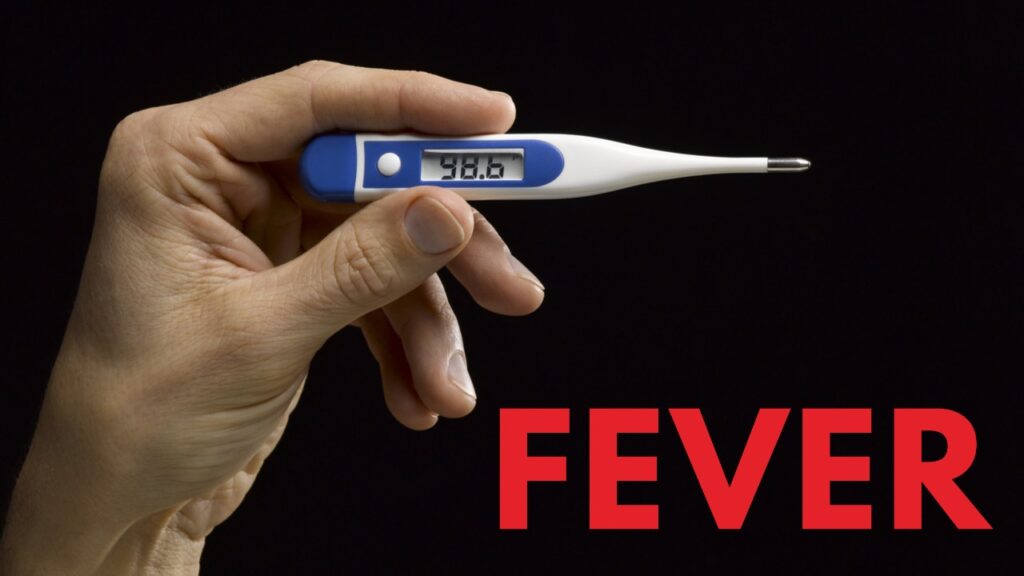
Best Doctor for Fever of Unknown Origin in Mumbai

What Is Fever of Unknown Origin (FUO)? Fever of unknown origin (FUO) is a challenging medical condition that presents as a persistent fever without an identifiable cause. It is defined as a temperature above 38.3°C on several occasions lasting for more than three weeks, with the cause remaining undiagnosed after a thorough examination. FUO can be a complex and perplexing puzzle for clinicians, as it requires a comprehensive and systematic approach to diagnose the underlying cause and provideappropriate management. Diagnosis of Fever of Unknown Origin Diagnosis of FUO often involves a thorough medical history and physical examination, followed by a series of investigations to identify the underlying cause of thefever. Laboratory Tests for FUO A detailed history focused on the onset and duration of symptoms, associated signs and symptoms, travel history, occupation, exposure toanimals or contaminated food, and any recent infections or vaccinations is crucial in determining the possible etiology of the fever. A comprehensive physical examination may reveal important clues such as skin lesions, lymphadenopathy, hepatosplenomegaly, or signs of an infectious orinflammatory process. After a detailed history and physical examination, the next step in the diagnostic workup of FUO involves a series of laboratory tests aimed at identifying potentialinfectious, inflammatory, malignant, or autoimmune causes of the fever. Blood tests including a complete blood count, erythrocyte sedimentation rate (ESR), C reactive protein (CRP), liver and kidney function tests, electrolytes, and blood cultures are commonly performed to assess for signs of infection or inflammation. Serological tests for specific pathogens such as HIV, hepatitis B and C, Epstein-Barr virus, cytomegalovirus, and autoimmune markers may also be considered based on the clinical presentation. Imaging Studies for FUO Imaging studies such as chest X-ray, ultrasound, computed tomography (CT), magnetic resonance imaging (MRI), or positron emission tomography (PET)scans may be necessary to further evaluate the underlying cause of FUO. Radiological investigations can help identify occult infections, abscesses, tumors, or inflammatory conditions that may be missed on physical examination or routine blood tests. Additionally, tissue biopsies may be required to confirm the diagnosis in cases where imaging studies are inconclusive or to rule out malignancy or specificinfectious pathogens. In some cases, the cause of FUO may remain elusive despite an extensive workup, leading to a diagnosis of “idiopathic fever.” In such situations, empiric therapy with broad-spectrum antibiotics or immunosuppressive agents may be considered as a therapeutic trial to help alleviate symptoms and monitor the response to treatment. However, it is important to exercise caution with empiric therapy, as indiscriminate use of antibiotics or immunosuppressive agents can lead to drugresistance, adverse effects, and masked underlying conditions. Management of Fever of Unknown Origin The management of FUO involves a multidisciplinary approach with input from infectious disease specialists, internists, hematologists, oncologists,rheumatologists, and radiologists to ensure a comprehensive evaluation and timely diagnosis. Collaboration between healthcare providers is essential to coordinate investigations, interpret results, and formulate a tailored treatment plan basedon the underlying cause of the fever. Treatment of Fever of Unknown Origin Treatment of FUO is directed towards addressing the specific etiology of the fever, which may include antibiotic therapy for bacterial infections, antiviralmedications for viral infections, anti-inflammatory agents for autoimmune or inflammatory conditions, or chemotherapy for malignancies. Supportive Care Supportive care with antipyretics, fluids, and rest may also be recommended to help alleviate symptoms and support the body’s immune response. Monitoring and Follow-Up Ongoing monitoring and follow-up are essential in the management of FUO to assess the response to treatment, monitor for complications, and adjust therapy as needed. Regular clinical evaluations, laboratory tests, imaging studies, and consultations with specialists can help track the progress of the patient and ensure timely intervention if the fever persists or worsens. Conclusion In conclusion, fever of unknown origin is a challenging medical condition that requires a systematic and thorough approach to diagnose the underlying cause and provide appropriate management. A comprehensive evaluation including a detailed history, physical examination, laboratory tests, imaging studies, and tissue biopsies is essential to identify the etiology of the fever and guide treatment. Collaboration between healthcare providers and ongoing monitoring are crucial in the management of FUO to ensure a timely diagnosis and optimal outcomes for patients. Need Medical Evaluation for Persistent Fever? If you have a persistent or unexplained fever, proper evaluation can help identify the underlying cause. Consult a qualified physician for appropriate assessment, investigations, and treatment guidance.

Best Doctor for Fever of Unknown Origin in Mumbai Read More »

brain-infection-dr-swapnil-gautam

Best Doctor for Brain Infection Specialists in Mumbai

Understanding Brain Infections Our brains are one of the most complex and vital organs in our bodies. The control everything we do, from thinking and reasoning to regulating our bodily functions. Unfortunately, like any other part of our bodies, our brains are susceptible to infection. Brain infections, also known as encephalitis or meningitis, can be caused by a variety of viruses, bacteria, fungi, and parasites. These infections can be serious and even life-threatening if not promptly diagnosed and treated. Symptoms of Brain Infection Symptoms of brain infections can vary depending on the cause and severity of the infection. Common symptoms include fever, headache, confusion, hallucinations, seizures, and difficulty speaking or moving. In severe cases, patients may experience loss of consciousness, coma, or even death. When to Seek Medical Attention It is important to seek medical attention if you or a loved one experience any of these symptoms, especially if they worsen over time or do not improve with common treatments like rest and over-the-counter pain relievers. Diagnosis of Brain Infection Diagnosing a brain infection can be challenging, as the symptoms can mimic those of other conditions, such as migraines, stroke, or even psychiatric disorders. If a brain infection is suspected, your healthcare provider will likely order tests such as a CT scan, MRI, lumbar puncture, or blood tests to confirm the diagnosis. These tests can help identify the specific cause of the infection, which is crucial for determining the most appropriate treatment. Treatment for Brain Infection Treatment for brain infections typically involves a combination of antiviral, antibacterial, antifungal, or antiparasitic medications, depending on the cause of the infection. In some cases, supportive care, such as intravenous fluids, pain management, and physical therapy, may also be necessary to help manage symptoms and promote recovery. It is important to follow your healthcare provider’s instructions carefully and complete the full course of treatment to prevent the infection from returning or worsening. Prevention of Brain Infections Preventing brain infections is key to protecting your brain health. Here are some tips to help reduce your risk of developing a brain infection: 1. Practice good hygiene: Wash your hands regularly with soap and water, especially before eating or preparing food, after using the restroom, and after touching animals or dirty surfaces. Avoid sharing personal items, such as towels, razors, or toothbrushes, with others. 2. Get vaccinated: Vaccines can help protect you against some of the most common causes of brain infections, such as meningitis and encephalitis. Make sure you are up to date on all recommended vaccines, and talk to your healthcare provider about any additional vaccines you may need based on your age, health, and travel history. 3. Avoid close contact with sick individuals: If someone you know is sick with a contagious illness, such as the flu or a cold, try to avoid close contact with them until they are no longer contagious. This can help prevent the spread of infection to others, including yourself. 4. Practice safe sex: Use condoms and practice safe sex practices to reduce your risk of sexually transmitted infections that can affect your brain health, such as HIV or herpes. 5. Protect yourself from mosquitoes and ticks: Mosquitoes and ticks can carry viruses and bacteria that cause brain infections, such as West Nile virus or Lyme disease. Use insect repellent, wear long sleeves and pants, and avoid outdoor activities during peak mosquito and tick activity to reduce your risk of exposure. Conclusion In conclusion, brain infections are serious and potentially life-threatening conditions that require prompt diagnosis and treatment. By recognizing the symptoms, seeking medical attention, following your healthcare provider’s instructions, and taking steps to prevent infection, you can help protect your brain health and reduce your risk of developing a brain infection. If you or a loved one experience symptoms of a brain infection, do not hesitate to Seek medical help immediately. Your brain health is too important.

Best Doctor for Brain Infection Specialists in Mumbai Read More »

fungal-infection-dr-swapnil-gautam

Best Doctor for Fungal Infection Specialists In Mumbai

Understanding Fungal Infections Fungal infections are a prevalent health concern that can affect people of all ages, genders, and backgrounds. These infections are caused by various types of fungi and can manifest in a wide range of symptoms, depending on the specific type of fungus and the area of the body that is affected. From common skin conditions like athlete’s foot and ringworm to more serious systemic infections like invasive candidiasis, fungal infections can present a significant challenge to one’s health and well-being. In this blog post, we will explore the importance of recognizing symptoms, obtaining a timely diagnosis, and effectively managing fungal infections to promote recovery and prevent complications. Symptoms of Fungal Infections Symptoms of fungal infections can vary widely depending on the type of fungus, the location of the infection, and the individual’s immune response. Common symptoms of fungal infections include redness, itching, swelling, and skin irritation. Infections that affect the nails may cause changes in nail color, thickness, or texture. Systemic fungal infections can lead to more severe symptoms such as fever, fatigue, and difficulty breathing. It is crucial to pay attention to any unusual changes in the skin, nails, or mucous membranes and seek medical advice if symptoms persist or worsen. Recognizing the symptoms of a fungal infection is the first step in obtaining a timely diagnosis and starting appropriate treatment. If you suspect that you may have a fungal infection, it is essential to consult a healthcare provider for a thorough evaluation. A healthcare provider will conduct a physical examination, review your medical history, and may perform additional tests such as skin scrapings, nail clippings, or blood tests to confirm the presence of a fungal infection. Diagnosis of Fungal Infections Obtaining an accurate diagnosis is essential for determining the most effective treatment plan and preventing the infection from spreading. Timely management of fungal infections is crucial for preventing complications and promoting healing. Delaying treatment can allow the infection to worsen and may lead to more serious health issues. Treatment of Fungal Infections Treatment for fungal infections typically involves antifungal medications, which may be in the form of oral medications, topical creams, or intravenous injections, depending on the type and severity of the infection. It is important to follow your healthcare provider’s recommendations for treatment and complete the full course of medication as prescribed to ensure that the infection is fully eradicated. Managing and Preventing Fungal Infections n addition to medication, there are measures you can take to help manage and prevent fungal infections. Practicing good hygiene is essential for preventing the spread of fungal infections. Good Hygiene Practices This includes keeping the skin clean and dry, wearing breathable clothing, and avoiding sharing personal items such as towels or clothing. If you are prone to fungal infections, such as athlete’s foot, you may also consider using antifungal powders or sprays to help prevent recurrence. Lifestyle Measures Maintaining a healthy lifestyle, including eating a balanced diet, getting regular exercise, and managing stress, can also support your immune system and reduce your risk of fungal infections. Complications of Untreated Fungal Infections One common misconception about fungal infections is that they are harmless and can be easily ignored. However, fungal infections can have serious consequences if left untreated. For example, untreated toenail fungus can lead to pain, difficulty walking, and the spread of infection to other nails or skin. Systemic fungal infections, if left untreated, can cause organ damage, sepsis, and even death. Conclusion In conclusion, recognizing symptoms, obtaining a timely diagnosis, and effectively managing fungal infections are essential steps in promoting healing and preventing complications. By being proactive about your health, seeking medical advice when needed, and following through with recommended treatment plans, you can effectively address fungal infections and protect your overall well-being. Remember that early intervention is key when it comes to fungal infections – do not ignore the signs, and seek help promptly to ensure the best possible outcome for your health and quality of life.

Best Doctor for Fungal Infection Specialists In Mumbai Read More »

second-opinion-disease-dr-swapnil-gautam

Best Doctor for Second Opinion In Mumbai

In today’s world, infectious diseases are becoming more prevalent and complex than ever before. With the rise of antibiotic resistance and the emergence of new strains of viruses, it is crucial to seek the advice of a specialist when dealing with a potentially serious infection. Infectious diseases specialists are medical professionals who have years of training and experience in diagnosing and treating a wide range of infectious diseases. They are often called upon to consult on difficult cases or cases that have not responded to conventional treatments. One of the key reasons why it is important to seek a second opinion from an infectious diseases specialist is the complexity of infectious diseases. Infectious diseases can present in a wide variety of ways, and it can be difficult to accurately diagnose and treat them without specialized training. Infectious diseases specialists are experts in recognizing the signs and symptoms of various infections, as well as in interpreting diagnostic tests to determine the root cause of the illness. By consulting with a specialist, you can be confident that you are receiving the most accurate diagnosis and treatment plan possible. Another reason to seek a second opinion from an infectious diseases specialist is the potential for misdiagnosis. In some cases, infections can mimic other conditions or present in atypical ways, leading to a misdiagnosis. This can result in improper treatment or delays in receiving the appropriate care. Infectious diseases specialists have the knowledge and experience to correctly identify and differentiate between various infections, ensuring that you receive the proper treatment for your condition. In addition to accurate diagnosis and treatment, infectious diseases specialists also have access to the latest research and advancements in the field. They are constantly staying up-to-date on the newest treatment options and guidelines for managing infectious diseases. By seeking a second opinion from a specialist, you can benefit from their expertise and receive the most cutting-edge care available. Furthermore, infectious diseases specialists often work in multidisciplinary teams with other healthcare professionals, such as infectious diseases nurses, pharmacists, and laboratory technicians. This collaborative approach allows for a comprehensive evaluation of your condition and ensures that all aspects of your care are coordinated and optimized. By consulting with a specialist, you can rest assured that you are receiving a thorough and well-rounded assessment of your infection. In some cases, infectious diseases can be challenging to treat, especially if the infection is resistant to standard therapies. Infectious diseases specialists have experience in managing complex cases and are skilled in developing individualized treatment plans tailored to each patient’s unique needs. By seeking a second opinion from a specialist, you can explore all available treatment options and make informed decisions about your care. Additionally, infectious diseases can have serious consequences if left untreated or not properly managed. Certain infections can rapidly progress and cause severe complications, such as sepsis or organ failure. By consulting with a specialist, you can expedite the diagnosis and treatment of your infection, potentially preventing serious complications and improving your overall outcome. Finally, seeking a second opinion from an infectious diseases specialist can provide peace of mind and reassurance during a challenging time. Dealing with an infection can be overwhelming and stressful, but having a knowledgeable and experienced specialist on your side can alleviate some of the anxiety and uncertainty. Infectious diseases specialists are trained to communicate effectively with patients and their families, providing clear explanations of the diagnosis and treatment plan. In conclusion, the importance of seeking a second opinion from an infectious diseases specialist cannot be overstated. These experts play a crucial role in accurately diagnosing and treating infections, especially in complex or challenging cases. By consulting with a specialist, you can benefit from their expertise, access the latest research and advancements in the field, and receive a comprehensive and well-coordinated approach to your care. If you are dealing with a potentially serious infection, don’t hesitate to seek the advice of an experienced infectious diseases specialist. Your health and well-being may depend on it.

Best Doctor for Second Opinion In Mumbai Read More »

Best Doctor for Syphilis Specialists in Mumbai

Syphilis is a sexually transmitted infection caused by the bacterium treponema pallidum. It can lead to serious health complications if left untreated, making it crucial to understand the symptoms, diagnosis, treatment, and prevention of this disease. In this blog post, we will delve into these aspects in detail to help raise awareness and promote better understanding of syphilis. Symptoms: Syphilis presents in several stages, each with its own set of symptoms. The primary stage typically begins with a painless sore called a chancre at the site of infection, such as the genitals, mouth, or rectum. This sore may go unnoticed or heal on its own, leading to the next stage, known as the secondary stage. In this stage, symptoms may include a skin rash, mucous membrane lesions, fever, swollen lymph nodes, and flu-like symptoms. If left untreated, the infection progresses to the latent and tertiary stages, where it can lead to severe complications, including damage to the heart, brain, nerves, and other organs. Diagnosis: Diagnosing syphilis usually involves a combination of physical examination, laboratory tests, and medical history assessment. A healthcare provider may examine the sores, collect blood samples for testing, and conduct additional tests, such as a microscopic examination of fluid from a sore or spinal tap for cerebrospinal fluid analysis. These tests help confirm the presence of the bacterium and determine the stage of the infection, guiding appropriate treatment decisions. Treatment: Syphilis is typically treated with antibiotics, such as penicillin, which is highly effective in clearing the infection. The type and duration of treatment depend on the stage of the infection and any existing health conditions. For primary and secondary syphilis, a single dose of penicillin is often sufficient, while for latent and tertiary syphilis, longer courses of antibiotics may be necessary. It is crucial to follow the treatment regimen prescribed by a healthcare provider and attend follow-up appointments to monitor the response to treatment and prevent recurrence. Prevention: Preventing syphilis involves practicing safe sex, using condoms consistently and correctly, and limiting the number of sexual partners. Regular testing for syphilis and other sexually transmitted infections is also important, especially for individuals at higher risk, such as those with multiple sexual partners, men who have sex with men, and individuals living with HIV. Early detection and treatment of syphilis help prevent the transmission of the infection and reduce the risk of complications. In addition to individual efforts, public health initiatives play a crucial role in preventing and controlling the spread of syphilis. Education campaigns, screening programs, and access to healthcare services are essential in raising awareness, promoting testing, and ensuring timely treatment of syphilis. Collaboration between healthcare providers, government agencies, community organizations, and other stakeholders is key to addressing the challenges posed by syphilis and improving the overall health outcomes of affected individuals. In conclusion, syphilis is a serious infection that can have significant health consequences if not diagnosed and treated promptly. Understanding the symptoms, diagnosis, treatment, and prevention of syphilis is essential in mitigating its impact on individuals and communities. By raising awareness, promoting safe practices, and ensuring access to healthcare services, we can work together to control the spread of syphilis and protect the health and well-being of all individuals.

Best Doctor for Syphilis Specialists in Mumbai Read More »

Best Doctor for TB Specialist in Mumbai

Tuberculosis (TB), caused by the bacterium Mycobacterium tuberculosis, is a potentially serious infectious disease that primarily affects the lungs, but can also affect other parts of the body. TB is spread through the air when an infected person coughs or sneezes, making it highly contagious. In this blog post, we will discuss the transmission, symptoms, diagnosis, treatment, and prevention of TB. Transmission: TB is primarily spread through the air when an infected person coughs or sneezes, releasing tiny droplets containing the bacteria into the air. These droplets can be inhaled by others, allowing the bacteria to enter the lungs and infect the person. TB is most commonly spread in crowded, poorly ventilated areas where people spend a lot of time close together, such as hospitals, prisons, and homeless shelters. Symptoms: The symptoms of TB can vary depending on the location and severity of the infection. Common symptoms of pulmonary TB include a persistent cough that lasts three weeks or longer, chest pain, coughing up blood or sputum, fatigue, weight loss, fever, and night sweats. TB that affects other parts of the body, known as extrapulmonary TB, can cause symptoms such as swollen lymph nodes, joint pain, and back pain. Diagnosis: Diagnosing TB can be challenging, as the symptoms are similar to those of other respiratory diseases. To diagnose TB, healthcare providers may perform a physical exam, order a chest X-ray, and collect a sputum sample for testing. Sputum samples are examined under a microscope to look for the presence of the bacteria, and may also be cultured to grow the bacteria for further testing. Blood tests and skin tests, such as the tuberculin skin test (TB test), may also be used to diagnose TB. Treatment: TB is typically treated with a combination of antibiotics taken for six to nine months. The most common antibiotics used to treat TB are isoniazid, rifampin, ethambutol, and pyrazinamide. Treatment must be followed exactly as prescribed by a healthcare provider, even if symptoms improve before the course of antibiotics is completed. Failure to complete the full course of treatment can lead to drug-resistant TB, which is much more difficult to treat. Prevention: Preventing the spread of TB is critical in controlling the disease. Some key prevention strategies include: 1. Vaccination: The Bacillus Calmette-Guérin (BCG) vaccine is a live attenuated vaccine that can help protect against severe forms of TB in children. However, the vaccine is not widely used in the United States due to low rates of TB. 2. Screening: Screening for TB can help identify and treat cases early, before the disease spreads to others. High risk populations, such as healthcare workers and individuals living in congregate settings, should be screened regularly for TB. 3. Infection control: Proper ventilation, isolation of confirmed TB cases, and the use of personal protective equipment can help prevent the spread of TB in healthcare settings and other high-risk environments. 4. Education: Educating the public about the importance of TB prevention, symptoms, and treatment can help reduce the spread of the disease and improve outcomes for individuals who are affected. In conclusion, TB is a serious respiratory disease that can be challenging to diagnose and treat. Understanding the transmission, symptoms, diagnosis, treatment, and prevention of TB is important in controlling the spread of the disease and improving outcomes for individuals affected. By following proper infection control measures, getting vaccinated, and seeking prompt medical attention for symptoms of TB, we can work together to reduce the burden of this infectious disease.

Best Doctor for TB Specialist in Mumbai Read More »

Best Doctor for HIV Specialist in Mumbai

Human Immunodeficiency Virus (HIV) is a global health issue that impacts millions of people around the world. The virus attacks the immune system, weakening the body’s ability to fight off infections and diseases. Understanding the symptoms, diagnosis, treatment, and prevention of HIV is crucial in order to effectively manage the virus and improve the quality of life for those affected by it. Symptoms of HIV: The symptoms of HIV can vary depending on the stage of the infection. In the early stages, individuals may experience flu-like symptoms such as fever, sore throat, muscle aches, and fatigue. These symptoms may last for a few weeks and then disappear, making it easy for some individuals to dismiss them as a common cold or flu. However, it is important to note that not everyone infected with HIV will experience these early symptoms. As the virus progresses and the immune system becomes more compromised, more severe symptoms may develop. These can include weight loss, chronic diarrhea, night sweats, swollen lymph nodes, and recurring infections. In advanced stages of the infection, individuals may develop opportunistic infections or certain cancers, which are indicative of Acquired Immunodeficiency Syndrome (AIDS). Diagnosis of HIV: Getting tested for HIV is the only way to know for sure whether you are infected with the virus. HIV testing is typically done with a blood test that looks for antibodies or antigens produced by the virus. There are also rapid HIV tests that can provide results in as little as 20 minutes. If the initial test comes back positive, additional testing will be done to confirm the diagnosis. This may include a viral load test to measure the amount of HIV in the blood, as well as a CD4 count test to assess the health of the immune system. Early diagnosis is crucial in order to start treatment and prevent the progression of the virus to AI”S. Treatment of HIV While there is currently no cure for HIV, antiretroviral therapy (ART) has been highly effective in managing the virus and improving the quality of life for individuals with HIV. ART consists of a combination of medications that work to reduce the viral load in the body, allowing the immune system to recover and function more effectively. It is Important to start ART as soon as possible after diagnosis in order to prevent the virus from causing further damage to the immune system. Adhering to the treatment regimen is essential to ensure the effectiveness of the medications and reduce the risk of developing drug resistance. Regular monitoring by healthcare providers is also necessary to adjust the treatment as needed and address any side effects that may arise. Prevention of HIV: Preventing the transmission of HIV is essential in reducing the spread of the virus. Safe sex practices, such as using condoms consistently and correctly, can help reduce the risk of HIV transmission during sexual activity. Limiting the number of sexual partners and avoiding high-risk behaviors, such as sharing needles, can also lower the risk of infection. Pre-exposure prophylaxis (PrEP) is a prevention method that involves taking a daily pill to reduce the risk of HIV infection in individuals at high risk of exposure. It is important to consult with a healthcare provider to determine if PrEP is a suitable option and to receive guidance on its proper use. Regular HIV testing is another important aspect of prevention, as it allows individuals to know their HIV status and seek treatment if needed. HIV testing should be a routine part of healthcare for all individuals, especially those who are sexually active or at high risk of HIV infection. In conclusion, HIV is a serious virus that requires ongoing attention and care to manage effectively. By understanding the symptoms, diagnosis, treatment, and prevention of HIV, individuals can take proactive steps to protect themselves and others from infection. Early diagnosis, prompt treatment, and preventive measures are key in combating the spread of HIV and improving the health and well-being of those affected by the virus. Together, we can work towards a world where HIV is no longer a public health threat and where all individuals have access to the care and support they need to live healthy and fulfilling lives.

Best Doctor for HIV Specialist in Mumbai Read More »

Best Doctor for Herpes Specialists in Mumbai

Herpes genital infection is a common sexually transmitted infection caused by the herpes simplex virus (HSV). This viral infection affects millions of people worldwide and can cause a variety of symptoms that can impact a person’s physical and emotional well-being. Understanding the symptoms, early diagnosis, and treatment options for herpes genital infection is crucial in effectively managing the condition and preventing its spread. Symptoms of Genital Herpes Infection: Genital herpes infection can cause a range of symptoms that vary from person to person. The most common symptoms of herpes genital infection include: 1. Painful Sores or Blisters: One of the primary symptoms of genital herpes is the presence of painful sores or blisters around the genital area. These sores can be filled with fluid, and they can appear on the genitals, buttocks, or thighs. The sores can be tender, itchy, and can cause discomfort during activities such as urination. 2. Flu-Like Symptoms: Some individuals with genital herpes may experience flu-like symptoms, including fever, headache, muscle aches, and swollen lymph nodes in the groin area. These symptoms may occur before or during an outbreak of genital herpes sores. 3. Itching or Tingling Sensations: Before the appearance of sores or blisters, some individuals may experience itching, tingling, or burning sensations in the genital region. These sensations are often an early sign of an impending herpes outbreak. 4. Pain or Burning Sensation During Urination: The presence of genital herpes sores can cause pain or a burning sensation when urinating. This discomfort can make it challenging for individuals to urinate comfortably during an outbreak. Early Diagnosis of Genital Herpes: Diagnosing genital herpes early is essential for initiating prompt treatment and managing the symptoms effectively. Healthcare providers can diagnose genital herpes through a combination of physical examination, symptom evaluation, and laboratory tests. Some common diagnostic methods for genital herpes include: 1. Visual Examination: Healthcare providers can visually inspect the genital area for the presence of sores, blisters, or other signs of herpes infection. A physical examination can help healthcare providers assess the severity and location of the infection. 2. Swab Test: During an active outbreak of herpes sores, healthcare providers may take a swab sample from the affected area to test for the presence of the herpes simplex virus. This test can help confirm the diagnosis of genital herpes. 3. Blood Tests: Blood tests can detect the presence of herpes simplex virus antibodies in the bloodstream. These tests can indicate whether an individual has been exposed to HSV-1 or HSV-2 and can help diagnose genital herpes, even in the absence of active symptoms. Treatment Options for Genital Herpes: While there is currently no cure for genital herpes, various treatment options are available to help manage the symptoms and reduce the frequency and severity of outbreaks. Common treatment approaches for genital herpes include: 1. Antiviral Medications: Antiviral medications are the primary treatment for genital herpes infection. These medications, such as acyclovir, valacyclovir, and famciclovir, work by suppressing the replication of the herpes virus and reducing the duration and intensity of outbreaks. Antiviral medications can be taken orally or applied topically to the affected area. 2. Pain Management: Over-the-counter pain relievers, such as ibuprofen or acetaminophen, can help alleviate discomfort and pain associated with genital herpes sores. Topical pain-relieving creams or ointments may also provide relief from itching and tenderness. 3. Lifestyle Modifications: Making lifestyle changes can help manage genital herpes symptoms and reduce the risk of outbreaks. Practicing good hygiene, avoiding sexual activity during outbreaks, using condoms, and managing stress through relaxation techniques and regular exercise can all contribute to managing genital herpes effectively. 4. Supportive Care: Seeking emotional support and guidance from healthcare professionals, support groups, or counselors can help individuals cope with the emotional and psychological aspects of living with genital herpes. Open communication with sexual partners about the infection and practicing safe sex can also reduce the risk of transmitting the virus to others. In conclusion, herpes genital infection is a common and manageable condition that can cause discomfort and emotional distress. Recognizing the symptoms, seeking early diagnosis, and following appropriate treatment can help individuals effectively manage genital herpes and improve their quality of life. By staying informed, seeking medical guidance, and adopting healthy lifestyle practices, individuals can navigate the challenges of living with genital herpes and maintain their overall well-being.

Best Doctor for Herpes Specialists in Mumbai Read More »

Best Doctor for Infectious Diseases Specialists in Mumbai

Best Doctor for Infectious Diseases Specialists in Mumbai Infectious diseases have been a significant source of morbidity and mortality throughout human history. From the bubonic plague to the 1918 influenza pandemic to the more recent outbreaks of Ebola and Zika viruses, infectious diseases have had devastating consequences for individuals and communities. In the face of evolving pathogens and emerging infections, infectious diseases specialists play a critical role in the diagnosis, management, and prevention of these diseases. Infectious diseases specialists are medical doctors who have received specialized training in the field of infectious diseases. They are experts in the diagnosis, treatment, and prevention of infections caused by bacteria, viruses, parasites, and fungi. These specialists play a crucial role in the healthcare system by providing care to patients with infectious diseases and contributing to public health efforts to control and prevent the spread of these diseases. Role of Infectious Disease Specialists One of the key roles of infectious diseases specialists is to diagnose infections accurately. Infectious diseases can present with a wide range of symptoms, making them challenging to diagnose. Infectious diseases specialists have the knowledge and expertise to identify the causative agent of an infection and determine the most appropriate treatment. They use a variety of diagnostic tools, such as laboratory tests, imaging studies, and clinical evaluations, to make an accurate diagnosis and develop a treatment plan tailored to the individual patient. Diagnosis of Infectious Diseases Infectious diseases specialists also play a crucial role in the management of infections. They are responsible for developing treatment plans that address the specific infection and the patient’s overall health status. This may involve prescribing antimicrobial medications, antiviral agents, or antifungal drugs, depending on the type of pathogen causing the infection. Infectious diseases specialists monitor the patient’s response to treatment and make adjustments as needed to ensure optimal outcomes. Management and Treatment of Infections In addition to providing care to individual patients, infectious diseases specialists play a vital role in public health efforts to control and prevent infectious diseases. These specialists are trained to conduct surveillance activities, investigate outbreaks, and develop strategies to prevent the spread of infections in the community. They collaborate with public health officials, healthcare providers, and community organizations to implement infection control measures and promote vaccination programs to protect the health of the population. Emerging Infectious Diseases and Public Health With the emergence of new infectious diseases and the increasing threat of antimicrobial resistance, the expertise of infectious diseases specialists is more critical than ever. Infectious diseases specialists play a key role in responding to emerging infectious threats, such as the COVID-19 pandemic, by developing guidelines for infection control, conducting research on new pathogens, and participating in clinical trials to evaluate treatments and vaccines. Their expertise is essential in guiding public health responses and mitigating the impact of infectious diseases on individuals and communities. Antimicrobial Resistance Infectious diseases specialists also play a crucial role in addressing the global challenge of antimicrobial resistance. Antimicrobial resistance occurs when bacteria, viruses, parasites, or fungi develop the ability to resist the effects of medications that were previously effective in treating infections. This can lead to treatment failures, increased morbidity and mortality, and higher healthcare costs. Infectious diseases specialists are at the forefront of efforts to combat antimicrobial resistance by promoting antimicrobial stewardship practices, conducting research on resistance mechanisms, and developing new treatment strategies to address resistant infections. Importance of Infectious Disease Specialists The work of infectious diseases specialists is essential in protecting individuals and communities from the devastating impact of infectious diseases. By diagnosing infections accurately, managing treatment effectively, and contributing to public health efforts, these specialists play a vital role in controlling the spread of infections and improving patient outcomes. As the threat of infectious diseases continues to evolve, the expertise and dedication of infectious diseases specialists will be crucial in safeguarding the health and well-being of individuals worldwide. Conclusion In conclusion, Infectious diseases specialists are indispensable healthcare professionals who play a critical role in the diagnosis, management, and prevention of infectious diseases. Their expertise and commitment to advancing the field of infectious diseases are essential in addressing the ongoing challenges posed by emerging infections, antimicrobial resistance, and global health threats. By supporting the work of infectious diseases specialists and investing in efforts to strengthen healthcare systems, we can better protect individuals and communities from the devastating impact of infectious diseases. FAQs 1. What does an infectious disease specialist do?An infectious disease specialist diagnoses, treats, and helps prevent infections caused by bacteria, viruses, parasites, and fungi. 2. When should I consult an infectious disease specialist?You may need an infectious disease specialist when an infection is difficult to diagnose, persistent, recurrent, severe, or requires specialized treatment. 3. How are infectious diseases diagnosed?Diagnosis may involve a medical history, physical examination, laboratory tests, imaging studies, and other clinical evaluations to identify the cause of an infection. 4. What types of infections do infectious disease specialists treat?They manage infections caused by different pathogens, including bacterial, viral, fungal, and parasitic infections. 5. How are infectious diseases treated?Treatment depends on the cause of the infection and may include antimicrobial, antiviral, or antifungal medicines along with other appropriate medical care. 6. What is antimicrobial resistance?Antimicrobial resistance occurs when bacteria, viruses, fungi, or parasites become less responsive to medicines that previously worked against them, making infections more difficult to treat. 7. Do infectious disease specialists help prevent infections?Yes. They contribute to infection prevention, public-health efforts, infection-control practices, and strategies to reduce the spread of infectious diseases. 8. Why are infectious disease specialists important?They help with accurate diagnosis, appropriate treatment, infection prevention, antimicrobial-resistance management, and responses to emerging infectious diseases.

Best Doctor for Infectious Diseases Specialists in Mumbai Read More »

Best Doctor For Typhoid Specialist in Mumbai

Typhoid fever is a serious infectious disease caused by the bacterium Salmonella typhi. It is primarily spread through contaminated food and water and is common in regions with poor sanitation and hygiene practices. Typhoid fever can lead to severe complications without proper treatment, so it is important to be aware of the symptoms, treatment options, and prevention methods associated with this illness. Symptoms of Typhoid Fever: The symptoms of typhoid fever usually develop gradually over the course of one to three weeks after exposure to the bacteria. 1. High fever: A persistent high fever that can reach up to 104°F (40°C) is a hallmark symptom of typhoid fever. 2. Headaches and body aches: Patients with typhoid fever often experience headaches, body aches, and general malaise. 3. Weakness and fatigue: Persistent fatigue and weakness are common symptoms of typhoid fever as the body fights off the infection. 4. Abdominal pain and discomfort: Abdominal pain, cramps, and discomfort are frequently reported by individuals with typhoid fever. 5. Diarrhea or constipation: Some patients may experience diarrhea or constipation, along with nausea and vomiting. 6. Rash: A rose-colored skin rash may appear on the chest or abdomen of patients with typhoid fever. 7. Enlarged spleen: In severe cases, the spleen may become enlarged, which can lead to abdominal tenderness and discomfort. It is essential to seek medical attention if you experience these symptoms, especially if you have recently traveled to a region where typhoid fever is prevalent. Diagnosis and Treatment of Typhoid Fever Diagnosing typhoid fever typically involves a combination of clinical evaluation, laboratory tests, and blood cultures. Blood tests can help detect the presence of Salmonella typhi bacteria in the bloodstream, while stool samples may also be collected to confirm the diagnosis. Treatment for typhoid fever usually involves antibiotics to target and eliminate the bacteria causing the infection. Commonly prescribed antibiotics for typhoid fever include fluoroquinolones (such as ciprofloxacin) and cephalosporins (such as ceftriaxone). It is crucial to complete the full course of antibiotics as prescribed by a healthcare provider to ensure the infection is fully eradicated. In severe cases of typhoid fever, hospitalization may be necessary to provide supportive care, such as intravenous fluids and electrolytes to prevent dehydration. Close monitoring of vital signs, blood counts, and organ function is essential to manage complications and facilitate recovery. Prevention of typhoid Here are some key strategies for preventing typhoid fever: 1. Vaccination: Getting vaccinated against typhoid fever is an effective way to protect yourself from the disease. Two types of vaccines are available: an oral live vaccine and an injectable killed vaccine. Consult with a healthcare provider or travel clinic to determine the most appropriate vaccine for your needs. 2. Safe food and water practices: Avoid consuming contaminated food and water by following safe food and water practices. It is important to drink bottled or purified water, wash fruits and vegetables thoroughly, and avoid eating raw or undercooked foods, especially in areas with a high risk of typhoid fever. 3. Hand hygiene: Wash your hands frequently with soap and water, especially before eating, after using the restroom, and after handling food. Proper hand hygiene can help reduce the spread of bacteria and prevent infection. 4. Food safety: Practice proper food handling and preparation techniques to minimize the risk of contamination. Cook food thoroughly, store perishable items at the correct temperature, and avoid cross-contamination between raw and cooked foods. 5. Sanitation and hygiene: Maintain clean and hygienic living conditions to reduce the transmission of infectious diseases. Proper sanitation, including safe waste disposal and sewage management, is essential for preventing the spread of typhoid fever and other waterborne illnesses. By following these preventive measures and staying informed about the symptoms, treatment, and prevention of typhoid fever, you can help protect yourself and others from this serious bacterial infection. If you suspect you may have typhoid fever or have been exposed to the bacteria, seek medical attention promptly to receive appropriate care and treatment. Together, we can work towards reducing the burden of typhoid fever and promoting better health outcomes for all. Stay safe, stay informed, and prioritize your health and well-being.

Best Doctor For Typhoid Specialist in Mumbai Read More »