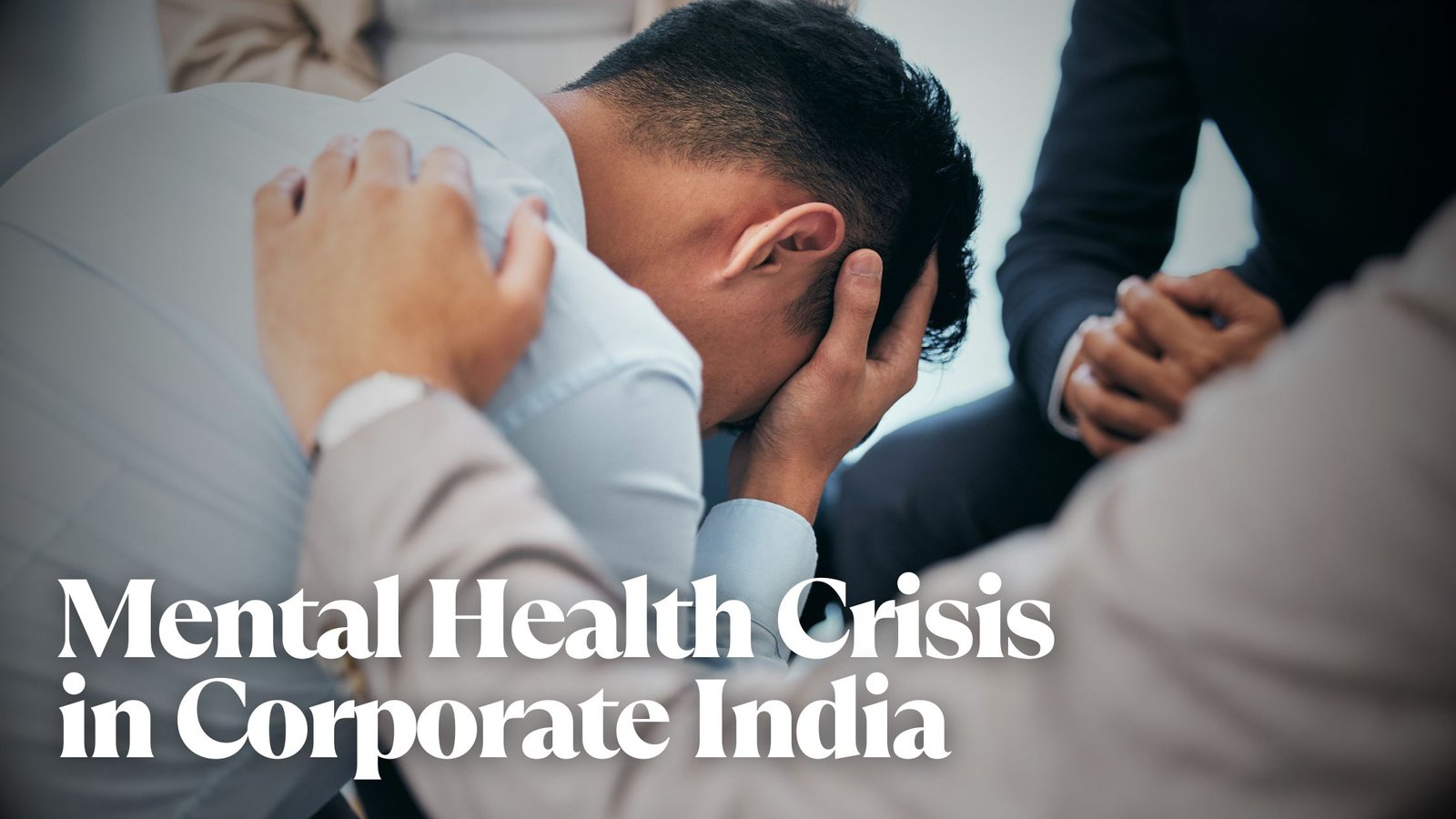
In today’s fast-paced, hyperconnected work culture, mental health is no longer just a personal issue, it’s a pressing organizational concern.
Across India, as businesses race toward innovation and growth, many employees are silently struggling with anxiety, depression, burnout, and chronic stress.
The workplace, once a space of purpose and productivity, is increasingly becoming a trigger for emotional exhaustion.
In this blog, we delve into the current state of workplace mental health in India, the factors contributing to its decline, and strategies organizations can adopt to create a culture of psychological safety and support.
The Indian Corporate Landscape: A Snapshot
India’s workforce is young, dynamic, and digitally connected. However, this demographic advantage brings its own challenges.
The 2024 Deloitte India report revealed that 80% of Indian employees experience workplace stress, with more than 33% reporting symptoms of burnout.
Sectors like IT, finance, healthcare, and start-ups report particularly high levels of mental health concerns.
The problem has worsened post-COVID-19.
While remote and hybrid work have offered flexibility, they’ve also blurred work-life boundaries, leaving many employees “always online” and struggling with Zoom fatigue, isolation, and reduced social support.
What’s Causing Poor Mental Health at Work?
Several interlinked factors contribute to the deteriorating mental well-being of Indian professionals:
1. Long Work Hours & Unrealistic Expectations
Indian professionals often work beyond standard hours. The culture of “hustle” and constant availability leads to chronic fatigue and guilt around taking breaks or saying “no.”
2. Toxic Work Culture
High-pressure environments, micromanagement, office politics, and poor leadership create a toxic atmosphere that undermines employee confidence and mental stability.
3. Stigma Around Mental Health
Mental health is still taboo in many Indian organizations. Employees fear discrimination or being labeled “weak” if they speak up about stress, anxiety, or depression.
4. Lack of Mental Health Support
Few companies offer structured mental health programs, and Employee Assistance Programs (EAPs) are underutilized due to lack of awareness or trust in confidentiality.
5. Economic Uncertainty
With layoffs, automation, and AI disruption, many employees live in constant fear of job loss—leading to chronic stress and anxiety.
Why Should Employers Care?
Mental health isn’t just a “feel-good” topic—it directly impacts productivity, innovation, and retention.
1. Productivity Loss: WHO estimates depression and anxiety cost the global economy $1 trillion each year in lost productivity.
2. Attrition: Talented employees are more likely to quit toxic or unsupportive workplaces.
3. Reputation Risk: In an era of employer review platforms like Glassdoor and LinkedIn, word about poor workplace mental health spreads quickly.
Investing in mental wellness is not just a moral responsibility but a strategic one.
Signs Your Employees May Be Struggling
Managers and team leaders should watch out for the following red flags:
1. Sudden drop in performance or attendance
2. Withdrawal from colleagues or team activities
3. Increased irritability, anxiety, or emotional outbursts
4. Physical complaints like headaches or fatigue
5. Reduced engagement or “quiet quitting” behavior
6. What Can Organizations Do? – A Strategic Blueprint
Creating a mentally healthy workplace requires a multi-layered approach:
1. Start at the Top
Leadership should model healthy behavior. This includes taking mental health days, maintaining work-life balance, and openly discussing well-being.
2. Normalize Mental Health Conversations
Regular webinars, newsletters, and open forums can help break the stigma. Employees should feel safe to speak without fear of judgment or consequences.
3. Implement Mental Health Policies
Include mental health days in leave policies, define acceptable work hours, and provide clear protocols for handling workplace stress or crises.
4. Provide Access to Professional Help
Partner with mental health professionals or platforms like YourDOST, MindPeers, or iWill. Offer confidential therapy sessions and support groups.
5. Train Managers
Equip managers to recognize signs of burnout, handle mental health conversations empathetically, and refer employees to appropriate resources.
6. Redesign Work Culture
Encourage breaks, respect work boundaries, avoid glorifying overwork, and promote flexible scheduling where possible.
7. Evaluate & Iterate
Use anonymous employee surveys, exit interviews, and usage stats of wellness services to regularly assess and improve mental health strategies.
Role of Technology in Workplace Mental Health
India’s health-tech sector is offering new ways to support employee mental health:
AI-powered Chatbots: 24×7 support through platforms like Wysa or Trijog.
Wellness Apps: Meditation and resilience training via Headspace, Calm, or Indian apps like Evolve.
Virtual Counseling: Affordable, accessible therapy through online portals.
Tech can help democratize mental healthcare, but it should complement not replace human connection.
Government & Legal Landscape
India still lacks specific legislation on mental health rights in the workplace. However:
The Mental Healthcare Act, 2017 ensures the right to mental healthcare and protection from discrimination.
The new Occupational Safety, Health and Working Conditions Code (OSH Code) emphasizes mental health, though implementation is still patchy.
Employers should proactively go beyond compliance to build inclusive, safe workspaces.
Real-World Examples
Several Indian companies are setting a benchmark:
✅ Tata Steel launched “Umang,” offering 24/7 counseling and stress management.
✅ Accenture India created a digital platform for mental wellness, including mindfulness training and therapy access.
✅ Zomato introduced periodic mental health leave and wellness check-ins.
✅ Such initiatives showcase how mental wellness and business goals can align.
Conclusion: Toward a Healthier Future
Mental health at work is no longer optional—it’s essential.
A supportive work environment boosts not just individual well-being but organizational success.
As India becomes a global economic powerhouse, its greatest asset remains its people.
Caring for their minds is an investment in the nation’s future.
Let’s work toward a world where mental health conversations are as normal as team meetings, and where “How are you really doing?” becomes a question we’re not afraid to answer.
This article is Useful and demand of time, corporate world is not very much aware about this, but it is factual that many workers are facinnh very difficult situation mentally and physically both in stress situation, totally agree with you