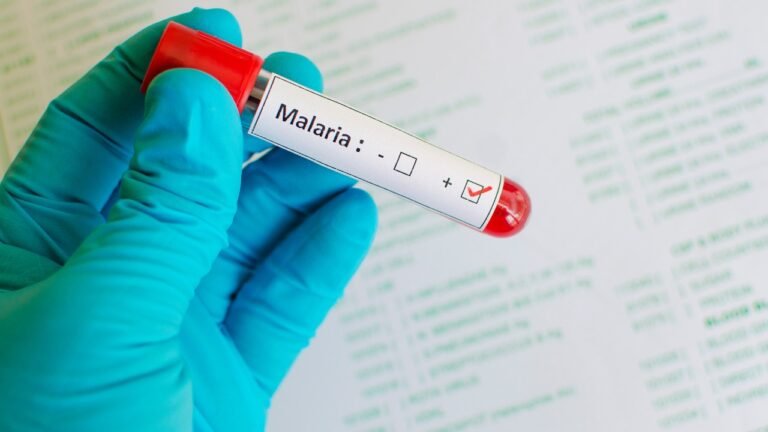
Malaria is one of the world’s most important mosquito-borne diseases and continues to affect millions of people every year. Despite major advances in healthcare, malaria remains a significant cause of illness and death in many tropical and subtropical countries, including parts of India. Fortunately, early diagnosis and prompt treatment can prevent serious complications and save lives. Whether you’re looking to understand malaria symptoms, how malaria spreads, the best treatment for malaria, or ways to prevent infection, this comprehensive guide answers the most common questions.
What is Malaria?
Malaria is a parasitic infection caused by Plasmodium parasites that are transmitted through the bite of an infected female Anopheles mosquito. Once inside the body, the parasites first multiply in the liver and then infect red blood cells, causing fever and other symptoms.
Five species infect humans:
– Plasmodium falciparum – causes the most severe and life-threatening malaria.
– Plasmodium vivax – the most common species in India and can relapse due to dormant liver parasites.
– Plasmodium malariae
– Plasmodium ovale – Plasmodium knowlesi– mainly found in Southeast Asia.
How Does Malaria Spread?
The most common mode of transmission is through the bite of an infected female
Anopheles mosquito.
Less common routes include:
– Blood transfusion
– Organ transplantation
– Shared contaminated needles
– Mother-to-child transmission during pregnancy
Malaria does not spread through coughing, sneezing, hugging, sharing food, or casual
contact.
Malaria Symptoms
Symptoms usually appear 7–30 days after infection, depending on the species and the person’s immunity
Common malaria symptoms include:
– High fever
– Chills and shivering
– Excessive sweating
– Headache
– Body and muscle pain
– Fatigue
– Nausea and vomiting
– Loss of appetite
– Weakness
Although the classic pattern of fever every second or third day is well known, many patients present with irregular fever, making diagnosis challenging.
Warning Signs of Severe Malaria
Severe malaria is a medical emergency requiring immediate hospitalization.
Seek urgent medical care if any of the following develop:
– Confusion or unconsciousness
– Repeated seizures
– Difficulty breathing
– Persistent vomiting
– Severe weakness
– Yellow discoloration of the eyes (jaundice)
– Reduced urine output
– Severe anemia
– Bleeding
– Shock or low blood pressure
Most severe cases are caused by Plasmodium falciparum, although severe illness can
occasionally occur with other species.
How is Malaria Diagnosed?
Early diagnosis significantly improves outcomes.
1. Peripheral Blood Smear
This remains the gold standard because it:
– Identifies the malaria species.
– Measures parasite density.
– Helps monitor treatment response.
2. Rapid Diagnostic Test (RDT)
These antigen-based tests provide results within minutes and are widely used in clinics and emergency departments.
3. PCR Testing
PCR is highly sensitive and useful for detecting mixed infections or very low parasite levels but is generally reserved for selected clinical situations
Treatment of Malaria
Treatment depends on:
– The infecting species
– Severity of illness
– Drug resistance patterns
– Pregnancy
– Age and underlying medical conditions
Uncomplicated Malaria
Artemisinin-based Combination Therapy (ACT) is recommended for most uncomplicated P.
falciparum infections.
Vivax Malaria
Treatment generally includes chloroquine (where effective) or ACT, followed by primaquine
after confirming normal G6PD enzyme activity to eliminate dormant liver parasites and
reduce the risk of relapse.
Severe Malaria
Patients with severe malaria require hospitalization and intravenous artesunate along with
supportive intensive care, including fluids, correction of low blood sugar, dialysis when
needed, blood transfusion for severe anemia, and ventilatory support in critically ill
patients.
Can Malaria Come Back?
Yes.
Unlike P. falciparum, P. vivax and P. ovale can remain dormant inside the liver for months or even years. Without radical cure using primaquine (or tafenoquine in selected patients), malaria can relapse even after apparent recovery.
How to Prevent Malaria
Preventing mosquito bites remains the most effective strategy.
Recommended preventive measures include:
– Sleep under insecticide-treated mosquito nets.
– Apply mosquito repellents containing DEET or picaridin.
– Wear full-sleeved clothing, especially during evening and nighttime.
– Install mosquito screens on doors and windows.
– Eliminate stagnant water around homes.
– Support local mosquito-control programs.
Travelers to malaria-endemic countries should consult a travel medicine specialist regarding preventive antimalarial medications before departure
Malaria During Travel
Travelers visiting Africa, Southeast Asia, South America, or other malaria-endemic regions should seek pre-travel medical advice.
Depending on the destination, medications such as:
– Atovaquone
-proguanil
– Doxycycline
– Mefloquine
May be recommended to prevent malaria. Any fever during travel or within several months after returning from a malaria-endemic area should be considered malaria until proven otherwise.
Common Myths About Malaria
Myth: Malaria spreads from one person to another.
Fact: It spreads through infected mosquitoes, not casual contact.
Myth: Every fever is malaria.
Fact: Many infections cause fever. Laboratory confirmation is essential before treatment.
Myth: Once treated, malaria never returns.
Fact: P. vivax malaria can relapse if dormant liver parasites are not eliminated.
Myth: A single negative malaria test completely rules out infection.
Fact: Repeat testing may be required if symptoms continue and suspicion remains high.
Malaria in India
India has made remarkable progress in reducing malaria through improved surveillance, early diagnosis, effective treatment, and vector-control programs. However, malaria continues to occur, especially during the monsoon and post-monsoon seasons. Maintaining awareness, seeking prompt medical evaluation for fever, and following preventive measures remain essential to achieving malaria elimination.
Frequently Asked Questions (FAQs)
Can malaria be cured?
Yes. Most cases are completely curable when diagnosed early and treated appropriately.
Is malaria contagious?
No. Malaria is not spread through casual contact between people.
Can malaria be prevented?
Yes. Mosquito bite prevention and, for selected travelers, preventive medications significantly reduce the risk.
Can malaria relapse?
Yes. Plasmodium vivax and Plasmodium ovale can relapse due to dormant liver stages if radical cure is not completed.
When should I see a doctor?
Anyone with fever who lives in or has recently traveled to a malaria-endemic area should seek medical evaluation immediately. Delayed diagnosis can lead to life-threatening complications.
Final Thoughts
Malaria remains a serious but highly treatable disease. Recognizing the symptoms early, confirming the diagnosis with appropriate laboratory tests, and starting effective treatment without delay are the keys to preventing severe illness.
Equally important are mosquito control, personal protection, and awareness—especially during the rainy season and while traveling to endemic regions.
If you develop fever after visiting a malaria-prone area, don’t ignore it. Early testing and timely treatment can save lives.