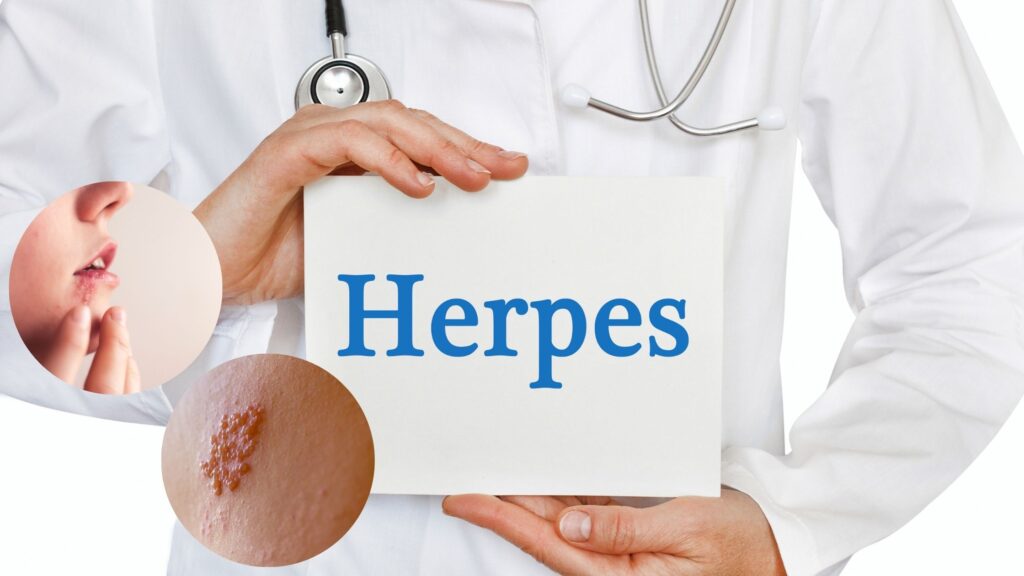

Genital herpes is a common sexually transmitted infection caused by the herpes simplex virus (HSV).
It is estimated that over 1 in 6 people between the ages of 14 and 49 have genital herpes in the United States.
In this blog post, we will discuss the transmission, symptoms, diagnosis, treatment, and prevention of genital herpes.
Transmission:
Genital herpes is typically spread through sexual contact with someone who has the virus. The virus can be transmitted through vaginal, anal, or oral sex.
It can also be spread through skin-to-skin contact with an infected area. Genital herpes can be passed on even when there are no visible symptoms present, as the virus can be shed from the skin without any signs of an outbreak.
Symptoms:
The symptoms of genital herpes can vary from person to person. Some individuals may experience mild symptoms, while others may have more severe outbreaks.
Common symptoms of genital herpes include:
Painful blisters or sores on the genitals or surrounding areas – Itching or burning sensation in the genital area – Swollen lymph nodes in the groin – Flu-like symptoms such as fever, headache, and fatigue Symptoms typically appear within 2-20 days after exposure to the virus and can last for 2-4 weeks.
After the initial outbreak, the virus can become dormant and may reactivate periodically, leading to recurrent outbreaks.
Diagnosis:
Genital herpes can be diagnosed through a physical examination and laboratory testing.
A healthcare provider may examine the affected area and take a sample of the fluid from the blisters for testing. Blood tests can also be done to detect the presence of antibodies to HSV, which can indicate a current or past infection.
Treatment:
There is no cure for genital herpes, but antiviral medications can help to manage the symptoms and reduce the frequency of outbreaks.
Medications such as acyclovir, valacyclovir, and famciclovir can be taken orally to suppress the virus and alleviate symptoms. These medications are most effective when taken at the first sign of an outbreak.
In addition to antiviral medications, over-the-counter pain relievers such as ibuprofen or acetaminophen can help to reduce pain and discomfort.
Keeping the affected area clean and dry can also help to promote healing and prevent secondary infections.
Prevention:
The best way to prevent genital herpes is to practice safe sex. Using condoms or dental dams during sexual activity can help to reduce the risk of transmission. It is also important to communicate with your partner about your sexual health and history of STIs.
If you or your partner has genital herpes, it is important to avoid sexual activity during outbreaks or when symptoms are present. It is also recommended to avoid sharing personal items such as towels, razors, or clothing that may come into contact with the affected area.
In conclusion, genital herpes is a common and highly contagious sexually transmitted infection that can cause discomfort and distress.
By practicing safe sex and taking precautions to prevent transmission, you can reduce your risk of contracting genital herpes.
If you suspect that you may have genital herpes, it is important to seek medical attention for an accurate diagnosis and treatment. Remember, you are not alone, and there are resources available to help you manage and cope with genital herpes.