Leptospirosis Treatment
Specialist evaluation and management of leptospirosis, including fever and other symptoms associated with infection.

What Is Leptospirosis?
Leptospirosis is a bacterial infection caused by Leptospira bacteria. People can become infected through contact with water or soil contaminated by the urine of infected animals, particularly when bacteria enter through cuts in the skin or through the eyes, nose or mouth. Risk may increase after heavy rainfall and flooding.
Dr. Swapnil Gautam is an Infectious Disease Specialist in Mumbai with expertise in tropical infections. His clinical assessment considers symptoms, exposure history and relevant investigations to help guide the diagnosis and management of suspected leptospirosis.
Common Symptoms of Leptospirosis

High Fever
Sudden fever may be accompanied by chills, headache and body aches.

Severe Headache
A significant headache can occur during the early stages of infection.

Muscle Pain
Muscle pain, particularly in the calves and lower back, can occur.
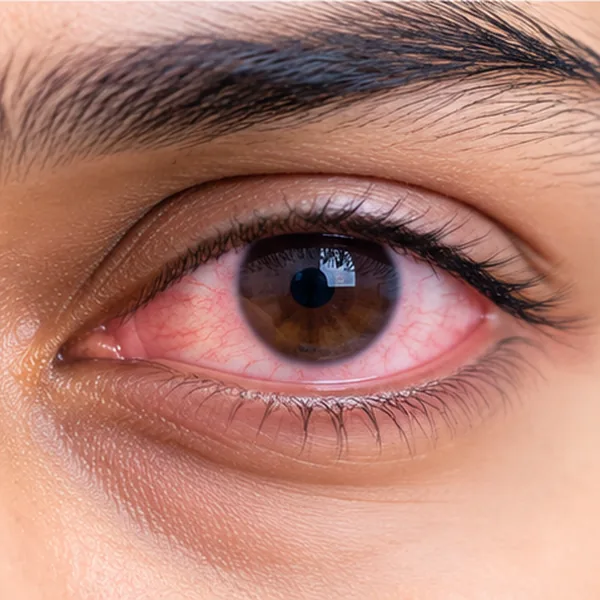
Red Eyes
Redness of the eyes without discharge may occur in some cases.

Nausea and Vomiting
Digestive symptoms may accompany fever and other signs of infection.
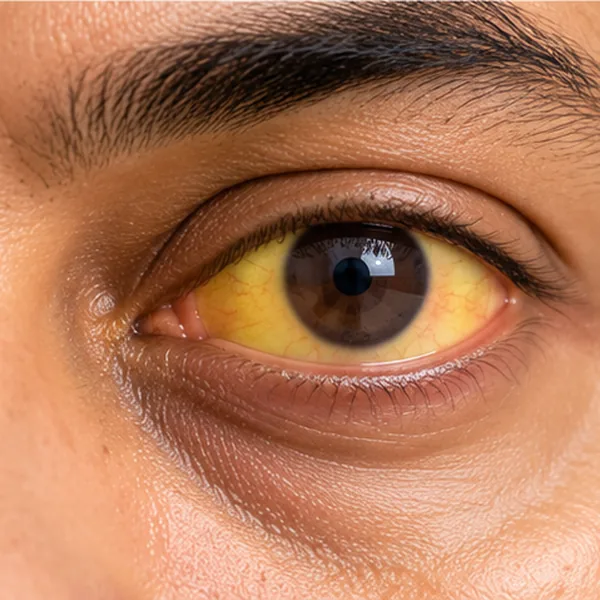
Jaundice
Yellowing of the skin or eyes can indicate more severe disease and needs urgent medical assessment.
How Is Leptospirosis Diagnosed and Managed?
Early assessment is important because leptospirosis can resemble dengue, malaria and other febrile illnesses.
Clinical Assessment
Review of symptoms, fever duration and exposure to potentially contaminated water or soil.
Diagnostic Testing
Blood or urine tests may be recommended according to the stage of illness and clinical findings.
Timely Medical Management
Appropriate treatment and monitoring can help reduce the risk of complications.
Why Choose Dr. Swapnil Gautam?
Expertise in Infectious Diseases
Clinical expertise in infectious and tropical diseases.
Exposure-Based Assessment
Considers environmental exposure alongside symptoms and medical history.
Evaluation of Complex Fever
Assesses possible causes of fever that can resemble leptospirosis.
Individualised Care
Guides investigation, treatment and follow-up according to clinical findings.

Frequently Asked Questions
Early symptoms may include sudden fever, headache, muscle pain, chills, nausea and red eyes. Symptoms can resemble dengue, malaria and other infections, so medical evaluation is important if leptospirosis is suspected.
Leptospirosis is caused by Leptospira bacteria. Infection can occur through contact with water or soil contaminated by the urine of infected animals, especially when bacteria enter through cuts in the skin or the eyes, nose or mouth.
Yes. Heavy rainfall and flooding can increase exposure to contaminated water and soil. People who walk through floodwater or work in wet environments may have a higher risk of exposure, particularly where animal urine contaminates the surroundings.
Diagnosis involves reviewing symptoms, medical history and possible exposure to contaminated water or soil. Depending on the stage of illness, a doctor may recommend blood or urine tests to help confirm the infection.
Seek prompt medical assessment if you develop fever, headache or muscle pain after possible exposure to contaminated water or soil. Yellowing of the eyes or skin, reduced urination, breathing difficulty, confusion or significant bleeding require urgent medical attention.
Dr. Swapnil Gautam is an Infectious Disease Specialist in Mumbai with expertise in tropical infections. For consultation regarding suspected leptospirosis, contact his clinic or check his official website for current consultation locations and appointment availability.