Introduction
Dengue fever, a mosquito-borne viral infection, poses a serious public health threat, particularly in tropical and subtropical regions like India.
With urbanization, climate change, and stagnant water sources aiding the breeding of Aedes aegypti mosquitoes, dengue cases are on the rise.
While there is no specific antiviral treatment, prevention remains the most effective defense.
1. Understanding Dengue Fever
Dengue is caused by four distinct serotypes of the dengue virus (DENV-1 to DENV-4).
Once infected, a person becomes immune to that particular serotype but remains vulnerable to others.
Symptoms typically include high fever, severe headaches, joint and muscle pain, rash, and in severe cases, internal bleeding or organ impairment.
A second infection with a different serotype increases the risk of developing severe dengue or dengue hemorrhagic fever.
2. Why Prevention is Crucial
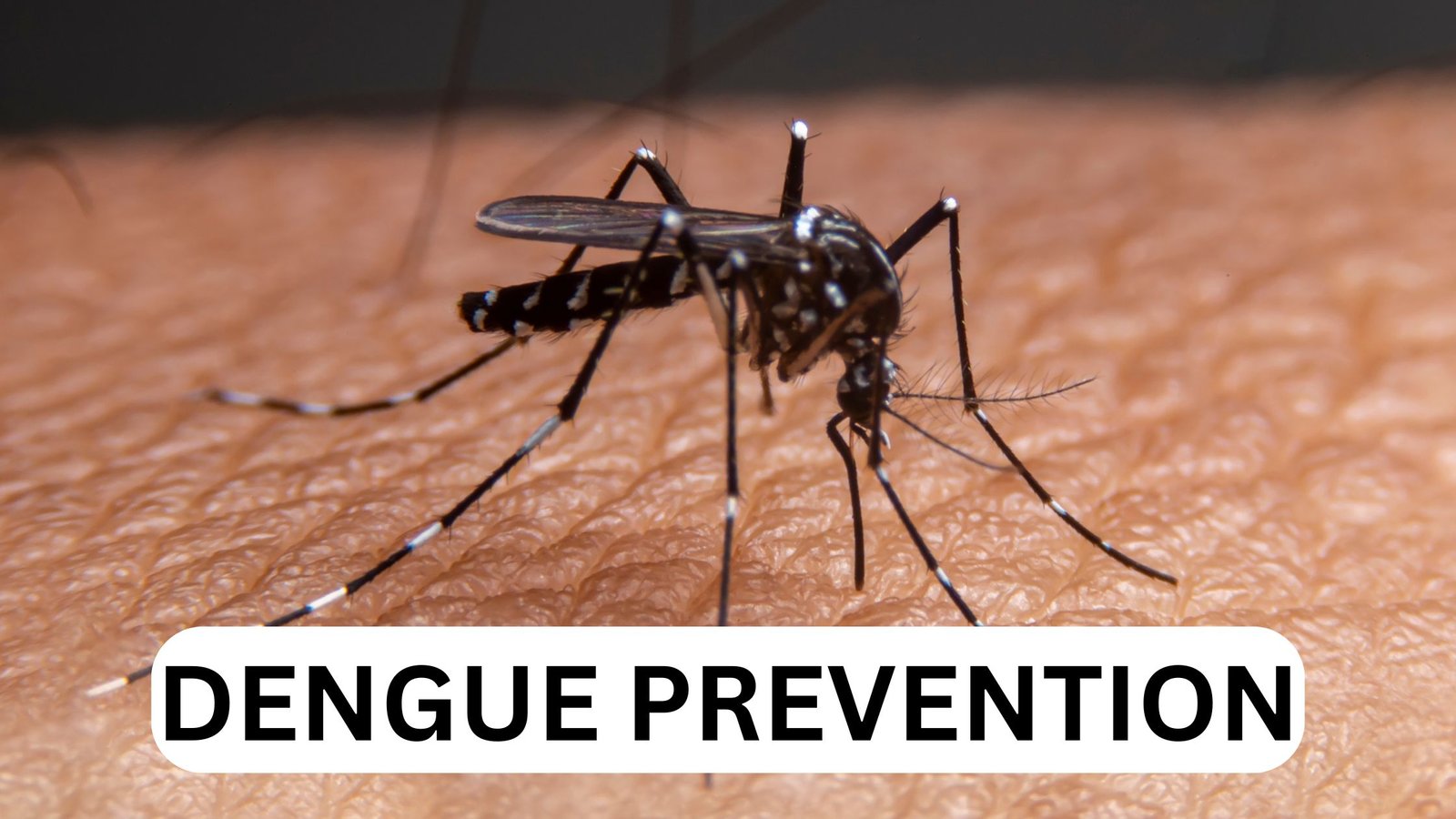
Dengue spreads through the bite of infected Aedes mosquitoes, which are most active during early morning and before sunset.
Since there is no targeted antiviral treatment, preventing mosquito bites and breeding becomes the cornerstone of dengue control.
Moreover, once a dengue outbreak starts, it spreads rapidly in densely populated areas due to high mosquito mobility and human movement.
3. Smart and Effective Dengue Prevention Tips
Here are some practical, smart strategies you can implement to prevent dengue in your home and community:
Eliminate Standing Water:
- Aedes mosquitoes breed in stagnant water.
- Empty flowerpots, coolers, buckets, and old tires regularly.
Use Mosquito Screens and Nets: Install window and door screens and sleep under mosquito nets, especially during the day.
Apply Mosquito Repellents: Use DEET or picaridin-based repellents on exposed skin when outdoors.
Wear Protective Clothing: Long sleeves and pants reduce mosquito access to skin.
Use Larvicides: Add safe larvicides or oils to overhead tanks, drains, or other water sources that cannot be emptied.
Introduce Mosquito-Eating Fish: In ponds or water tanks, species like Gambusia can help control larvae.
Ensure Proper Waste Management: Cover garbage bins and clear clutter that can collect rainwater.
Community Clean-Up Drives: Engage local residents and authorities in regular anti-larvae campaigns.
Smart Home Devices: Use mosquito traps, electric zappers, and ultrasonic mosquito repellents for added protection.
Health Education: Spread awareness about dengue symptoms, early diagnosis, and prevention methods through schools, social media, and public health.