Syphilis is a sexually transmitted infection caused by the bacterium treponema pallidum.
It can lead to serious health complications if left untreated, making it crucial to understand the symptoms, diagnosis, treatment, and prevention of this disease. In this blog post, we will delve into these aspects in detail to help raise awareness and promote better understanding of syphilis.
Symptoms:
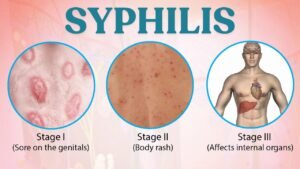
Syphilis presents in several stages, each with its own set of symptoms. The primary stage typically begins with a painless sore called a chancre at the site of infection, such as the genitals, mouth, or rectum.
This sore may go unnoticed or heal on its own, leading to the next stage, known as the secondary stage. In this stage, symptoms may include a skin rash, mucous membrane lesions, fever, swollen lymph nodes, and flu-like symptoms.
If left untreated, the infection progresses to the latent and tertiary stages, where it can lead to severe complications, including damage to the heart, brain, nerves, and other organs.
Diagnosis:
Diagnosing syphilis usually involves a combination of physical examination, laboratory tests, and medical history assessment.
A healthcare provider may examine the sores, collect blood samples for testing, and conduct additional tests, such as a microscopic
examination of fluid from a sore or spinal tap for cerebrospinal fluid analysis.
These tests help confirm the presence of the bacterium and determine the stage of the infection, guiding appropriate treatment decisions.
Treatment:
Syphilis is typically treated with antibiotics, such as penicillin, which is highly effective in clearing the infection.
The type and duration of treatment depend on the stage of the infection and any existing health conditions. For primary and secondary syphilis, a single dose of penicillin is often sufficient, while for latent and tertiary syphilis, longer courses of antibiotics may be necessary.
It is crucial to follow the treatment regimen prescribed by a healthcare provider and attend follow-up appointments to monitor the response to treatment and prevent recurrence.
Prevention:
Preventing syphilis involves practicing safe sex, using condoms consistently and correctly, and limiting the number of sexual partners.
Regular testing for syphilis and other sexually transmitted infections is also important, especially for individuals at higher risk, such as those with multiple sexual partners, men who have sex with men, and individuals living with HIV.
Early detection and treatment of syphilis help prevent the transmission of the infection and reduce the risk of complications.
In addition to individual efforts, public health initiatives play a crucial role in preventing and controlling the spread of syphilis.
Education campaigns, screening programs, and access to healthcare services are essential in raising awareness, promoting testing, and ensuring timely treatment of syphilis.
Collaboration between healthcare providers, government agencies, community organizations, and other stakeholders is key to addressing the challenges posed by syphilis and improving the overall health outcomes of affected individuals.
In conclusion, syphilis is a serious infection that can have significant health consequences if not diagnosed and treated promptly.
Understanding the symptoms, diagnosis, treatment, and prevention of syphilis is essential in mitigating its impact on individuals and
communities.
By raising awareness, promoting safe practices, and ensuring access to healthcare services, we can work together to control the spread of syphilis and protect the health and well-being of all individuals.