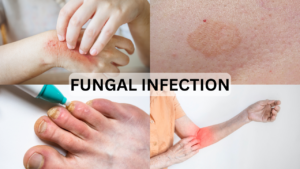
Fungal infections are a common occurrence that can
affect anyone, regardless of age or gender. These
infections are caused by fungi that can invade the
body, leading to a variety of symptoms that can range
from mild to severe. In this blog, we will explore the
symptoms, diagnosis, and treatment of fungal
infections to help you understand and manage these
conditions effectively.
Symptoms of Fungal Infections
Fungal infections can manifest in different parts of the
body, depending on the type of fungus involved. Some
common types of fungal infections include athlete’s
foot, ringworm, yeast infections, and nail infections.
The symptoms of fungal infections can vary based on
the specific type of infection and its location. Some
general symptoms of fungal infections include:
1.Itching: One of the most common symptoms of a
fungal infection is itching. This can occur on the
skin, in the genital area, or even in the mouth and
throat.
2.Redness and Inflammation: Fungal infections
often cause redness and inflammation in the
affected area. This can be accompanied by
soreness or pain.
3.Skin Changes: Fungal infections can lead to
changes in the skin, such as peeling, cracking, or
scaling. In some cases, the affected skin may
appear scaly or have a raised, ring-like
appearance.
4.Discharge: In cases of vaginal yeast infections, a
white, thick discharge may be present. This
discharge may have a characteristic odor and may
cause discomfort or irritation.
5.Nail Changes: Fungal infections of the nails can
cause thickening, discoloration, or brittleness of
the nails. The nails may also become misshapen
or develop ridges.
6.Rash: Fungal infections can cause a rash to
develop on the skin. This rash may be red, raised,
and itchy, and may spread to other areas of the
body.
Diagnosis of Fungal Infections
Diagnosing a fungal infection typically involves a
physical examination and a review of your medical
history. Your healthcare provider may also perform
tests to confirm the presence of a fungal infection.
Some common diagnostic tests for fungal infections
include:
1.Skin Scraping: In cases of suspected skin fungal
infections, your healthcare provider may take a
scraping of the affected area to examine under a
microscope. This can help identify the presence of
fungi or their spores.
2.Fungal Culture: A fungal culture involves
collecting a sample of the affected tissue and
allowing it to grow in a laboratory setting. This can
help identify the specific type of fungus causing
the infection.
3.Blood Tests: In cases of systemic fungal
infections, blood tests may be performed to check
for the presence of fungal antibodies or antigens.
4.Imaging Studies: In some cases, imaging studies
such as X-rays or CT scans may be used to assess
the extent of the infection, especially in cases of
systemic fungal infections affecting internal
organs.
Treatment of Fungal Infections
The treatment of fungal infections typically involves
antifungal medications, which can be applied
topically, taken orally, or administered intravenously.
The specific type of treatment will depend on the type
and severity of the fungal infection. Some common
types of antifungal medications include:
1.Topical Antifungals: Creams, ointments, and
powders that are applied directly to the skin or
nails are often used to treat mild fungal infections,
such as athlete’s foot or ringworm.
2.Oral Antifungals: In cases of more severe or
widespread fungal infections, oral antifungal
medications may be prescribed. These
medications are taken by mouth and work
systemically to combat the fungal infection.
3.Antifungal Shampoos: Shampoos containing
antifungal agents may be recommended for fungal
infections of the scalp or hair, such as ringworm.
4.Antifungal Nail Lacquers: For fungal infections of
the nails, medicated nail lacquers or solutions
may be prescribed. These are applied directly to
the nails to help clear the infection.
In addition to medication, there are several lifestyle
changes and home remedies that can help manage
fungal infections and prevent their recurrence. Some
tips for preventing fungal infections include:
– Keeping the skin clean and dry, especially in areas
prone to sweating.
– Avoiding tight-fitting clothing and shoes that can trap
moisture.
– Changing socks and underwear regularly.
– Using antifungal powders or creams to prevent fungal
infections, especially in high-risk situations like public
pools or gyms.
If you suspect you have a fungal infection, it is
important to seek prompt medical attention for an
accurate diagnosis and appropriate treatment.
Delaying treatment can lead to the infection spreading
and causing more severe symptoms. By following your
healthcare provider’s recommendations and taking
steps to prevent future infections, you can effectively
manage fungal infections and maintain good overall
health.