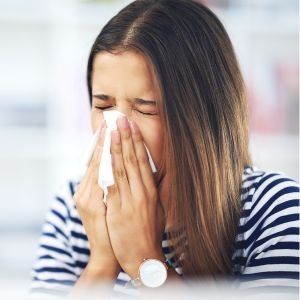
An allergy is an immune system reaction to a foreign substance (allergen) that’s usually harmless to most people. In people with allergies, the immune system mistakenly identifies these substances as harmful, triggering a range of symptoms that can vary from mild (like sneezing or itching) to severe (like anaphylaxis, a life-threatening reaction).
Asthma is a chronic respiratory condition characterized by inflammation and narrowing of the airways, leading to difficulty breathing. In people with asthma, the airways are often sensitive to certain triggers, which can cause the muscles around them to tighten, the lining to swell, and mucus production to increase, restricting airflow.
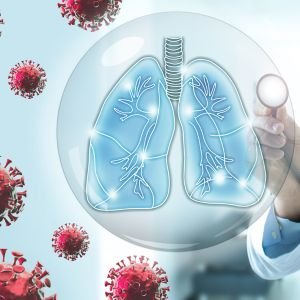
Pneumonia is an infection that inflames the air sacs in one or both lungs, causing them to fill with fluid or pus. This infection can be caused by various microorganisms, including bacteria, viruses, or fungi, and it can range from mild to life-threatening, especially in young children, older adults, and individuals with weakened immune systems.
Tuberculosis (TB) is a contagious bacterial infection primarily affecting the lungs, caused by the bacterium Mycobacterium tuberculosis. TB can also spread to other parts of the body, such as the kidneys, spine, or brain. It is a major global health issue, especially in regions with limited healthcare access and high poverty rates. TB spreads through the air when an infected person coughs, sneezes, or talks.
Diabetes is a chronic condition that affects the body’s ability to regulate blood sugar (glucose) levels. Glucose is vital for energy, but high levels can cause severe health issues over time. Diabetes occurs when the pancreas either doesn’t produce enough insulin (a hormone that regulates blood sugar) or the body cannot effectively use the insulin it produces.
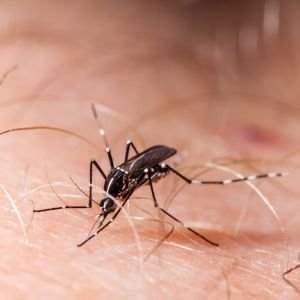
Chikungunya is a viral disease transmitted to humans by infected mosquitoes, primarily the Aedes aegypti and Aedes albopictus, which are also responsible for spreading dengue and Zika viruses. Chikungunya is particularly common in tropical and subtropical areas.
Vaccination is a medical process that involves administering a vaccine to stimulate an individual’s immune system to develop protection against specific infectious diseases. Vaccines contain components that mimic disease-causing organisms, prompting the immune system to recognize and combat these agents without causing the actual disease. This preparation enables the body to respond more effectively upon future exposure to the actual pathogen.
Leptospirosis is a bacterial infection caused by the bacteria Leptospira, which primarily spreads through water contaminated with the urine of infected animals, particularly rodents. This disease is more common in warm, humid climates and is often associated with exposure to water sources contaminated with animal urine, such as rivers, lakes, or floodwaters.