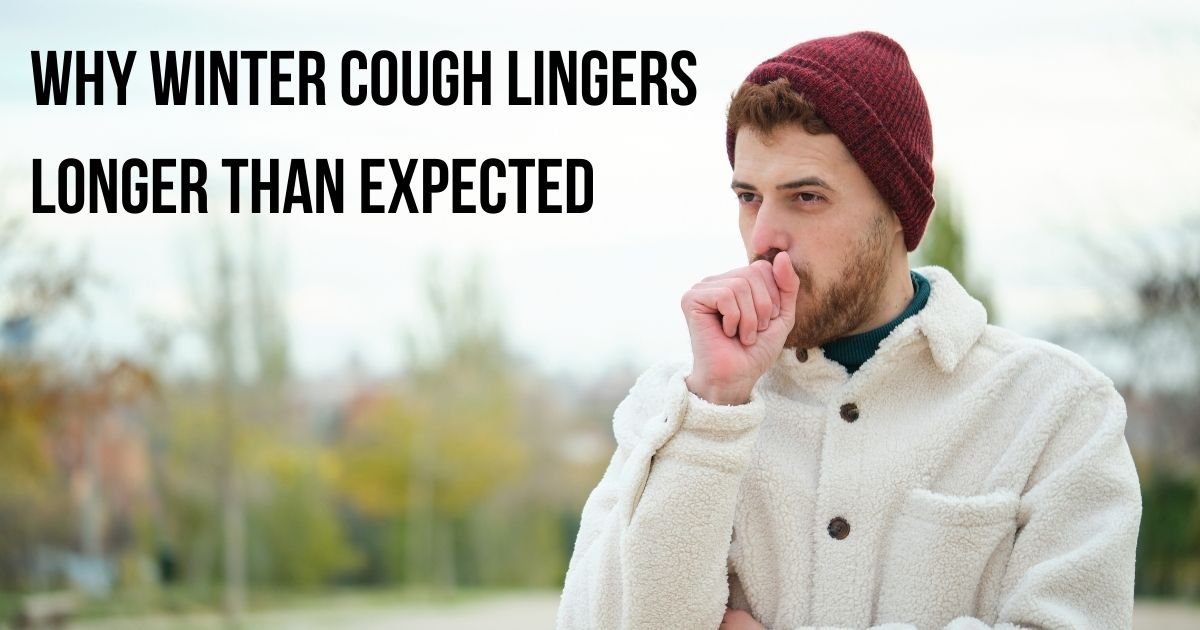
Every winter, clinics see a familiar pattern: patients whose cold or flu has resolved, fever is gone, appetite is back—but the cough just refuses to leave.
Many ask the same question:
“Doctor, why is my cough still there after weeks?”
A lingering winter cough is not unusual.
In fact, it is often the result of a combination of environmental factors and daily habits that continue to irritate the airways long after the
initial infection has cleared.
Understanding why this happens can help you recover faster—and avoid unnecessary medications.
What Is a Lingering Winter Cough?
A cough that persists after an upper respiratory infection is commonly referred to as a postviral cough.
– It typically lasts 3 to 8 weeks
– It may be dry or associated with minimal sputum
– It worsens at night, early morning, or on exposure to cold air
While most post-viral coughs are harmless, winter conditions often prolong airway irritation, delaying recovery.
Why Winter Makes Coughs Last Longer
1. Cold and Dry Air Irritates the Airways
Winter air is cold and dry, which strips moisture from the lining of the respiratory tract. This leads to:
– Dryness of the throat and bronchi
– Increased sensitivity of cough receptors
– Persistent irritation even after infection resolves
– This is why many people start coughing the moment they step outside in winter.
2. Air Pollution Peaks in Winter
In many Indian cities, winter months are associated with:
– Temperature inversion
– High PM2.5 and PM10 levels
– Increased indoor and outdoor pollution exposure
Pollutants inflame the airways, worsen bronchial hyper-reactivity, and significantly prolong cough duration, especially in:
– Children
– Elderly individuals
– Smokers
– People with asthma, COPD, or allergic rhinitis
3. Increased Indoor Exposure to Viruses
During winter, people spend more time indoors with closed windows. This leads to:
– Higher viral transmission
– Repeated exposure to respiratory viruses
– Back-to-back minor infections
The immune system may still be recovering from one infection when another exposure occurs—keeping the cough cycle alive.
Daily Habits That Delay Recovery
Many everyday habits unintentionally worsen or prolong winter cough.
1. Dehydration
People often drink less water in winter due to reduced thirst. This causes:
– Thickened mucus
– Poor clearance of secretions
– Increased throat irritation
– Adequate hydration is essential for mucociliary clearance—the body’s natural airway cleaning mechanism.
2. Poor Sleep
Sleep deprivation weakens immune responses and prolongs inflammation. Inadequate sleep:
– Delays healing of airway lining
– Increases cough reflex sensitivity
– Slows viral clearance
– Adults require 7–9 hours of quality sleep for optimal immune recovery.
3. Smoking and Passive Smoke Exposure
Smoking is one of the strongest contributors to chronic cough. It:
– Damages airway cilia
– Increases mucus production
– Causes persistent inflammation
– Even second-hand smoke exposure can significantly delay cough resolution.
4. Overuse or Misuse of Home Remedies
While steam inhalation can provide temporary relief, excessive or improper use may:
– Dry out sensitive airways
– Trigger bronchospasm in susceptible individuals
Similarly, indiscriminate use of cough syrups or antibiotics without medical advice often provides little benefit and may cause harm.
Habits That Help You Recover Faster
Simple lifestyle modifications can significantly shorten cough duration.
1. Stay Well Hydrated
Aim for 2.5–3.5 liters of fluids daily, preferably:
– Warm water
– Herbal teas
– Clear soups
Hydration thins mucus and reduces throat irritation.
2. Maintain Indoor Humidity
Dry indoor air worsens cough. Using a humidifier to maintain 40–60% humidity helps:
– Protect airway lining
– Reduce cough reflex sensitivity
– Improve comfort, especially at night
3. Eat Anti-Inflammatory Foods
Certain foods may help reduce airway inflammation:
– Ginger
– Turmeric
– Garlic
– Fresh fruits rich in vitamin C
While not a substitute for medical treatment, they support immune recovery.
4. Avoid Polluted Air Exposure
On high pollution days:
– Wear a well-fitted mask (preferably N95)
– Avoid outdoor exercise near traffic
– Keep windows closed during peak pollution hours
– These measures reduce airway irritation and speed recovery.
5. Quit Smoking
Smoking cessation leads to:
– Improved ciliary function
– Reduced airway inflammation
– Significant reduction in chronic cough
– Benefits begin within weeks of quitting.
When Should You See a Doctor?
While most winter coughs are benign, medical evaluation is important if you have:
– Cough lasting more than 3–4 weeks
– Breathlessness or wheezing
– Fever, night sweats, or weight loss
– Blood in sputum
History of asthma, COPD, TB, or smoking
These may indicate conditions such as asthma exacerbation, bacterial infection, tuberculosis, GERD-related cough, or post-COVID airway inflammation.
The Role of Prevention
Preventing winter cough is easier than treating it.
– Annual flu vaccination reduces severity and complications
– Good hand hygiene prevents viral spread
– Masking during outbreaks and pollution peaks protects airways
– Balanced nutrition and sleep strengthen immunity
Final Takeaway:
A lingering winter cough is rarely “just bad luck.” It is often the result of:
– Cold, dry air
– High pollution
– Inadequate hydration
– Poor sleep
– Smoking or environmental exposure
The good news?
Simple daily habits can make a big difference.
By protecting your airways, staying hydrated, prioritizing rest, and avoiding irritants, you can significantly shorten recovery time—and breathe easier through the winter months.