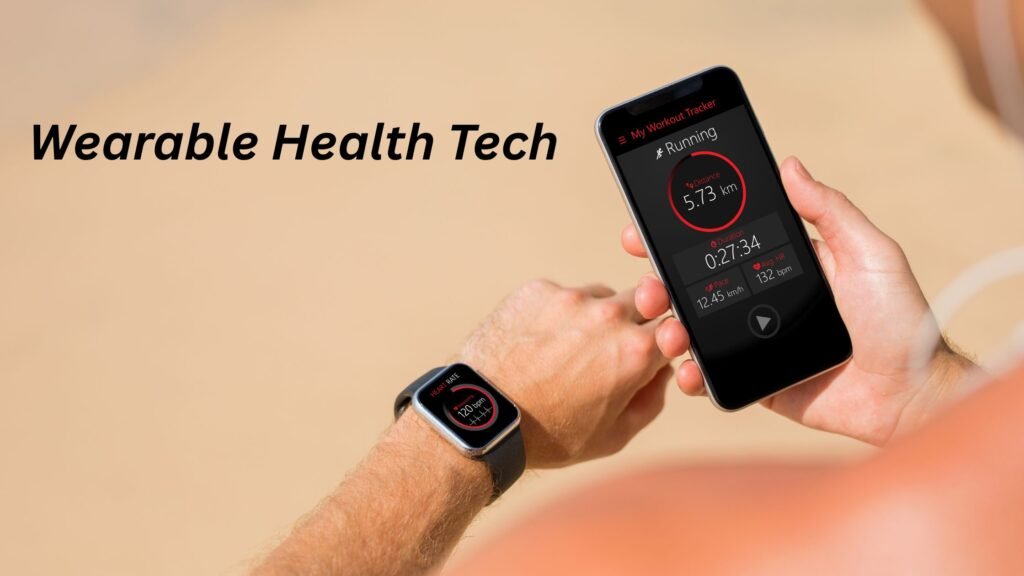
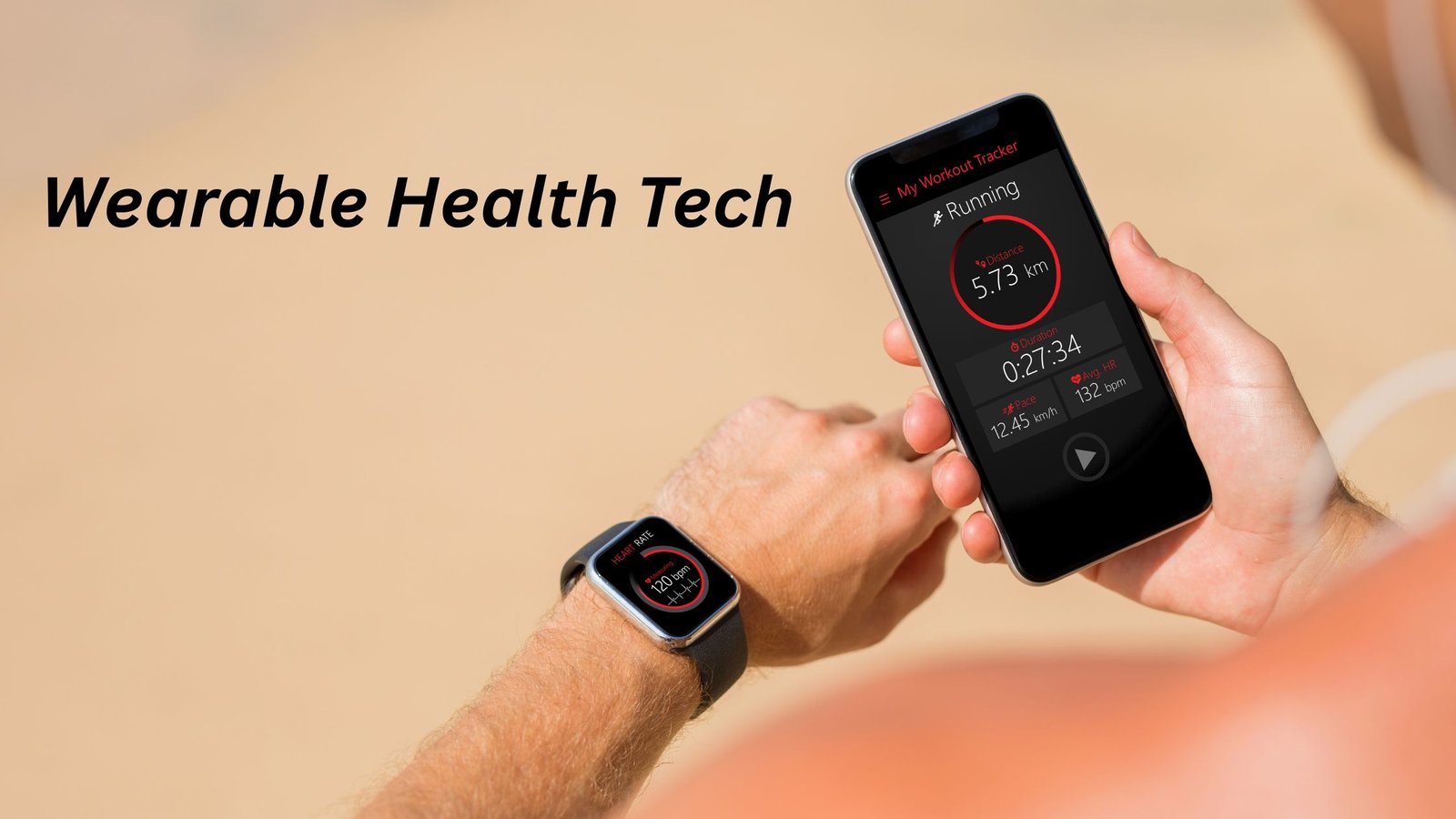
In the last decade, wearable health technology has transformed from a fitness fad into a cornerstone of modern healthcare.
From tracking steps to predicting cardiac arrhythmias, wearables are now empowering patients, supporting clinicians, and reshaping how care is delivered.
As we move deeper into the digital health era, wearable tech is no longer just about wellness—it’s becoming a powerful clinical tool.
The Evolution of Wearables: From Steps to Symptoms
The first wave of wearable health devices was dominated by fitness bands like Fitbit and Jawbone, which focused on daily activity, heart rate, and sleep quality.
These laid the foundation for user awareness and engagement.
However, technological advances and increased health consciousness—accelerated by the COVID-19 pandemic—have pushed wearables into more complex territory.
Today’s smartwatches and wearable biosensors are capable of:
1. Continuous ECG monitoring
2. Blood oxygen saturation (SpO₂) readings
3. Sleep stage tracking
4. Blood pressure estimation
5. Atrial fibrillation detection
6. Glucose monitoring (CGM)
Devices such as the Apple Watch, Garmin, and Oura Ring have brought clinical-grade features to the consumer’s wrist or finger.
Key Applications in Healthcare:
1. Chronic Disease Management
Wearables are proving invaluable in managing chronic conditions such as:
Diabetes: Continuous glucose monitors (CGMs) like the Dexcom G7 and Abbott FreeStyle Libre provide real-time blood sugar trends, reducing the need for finger-pricks and helping tailor insulin therapy.
Hypertension: Smartwatches with blood pressure sensors, like the Samsung Galaxy Watch, assist in early detection and lifestyle modification.
Heart Failure & Arrhythmias: Devices capable of detecting atrial fibrillation and heart rate variability allow for early interventions, reducing hospital admissions.
2. Remote Patient Monitoring (RPM)
The rise of telemedicine has accelerated the adoption of wearable tech in Remote Patient Monitoring programs.
Clinicians can now monitor vital parameters in real-time, improving care for patients with:
1. Post-operative recovery
2. COPD and asthma
3. Post-COVID syndrome
4. Geriatric frailty
RPM has proven especially valuable in rural or underserved areas, where in-person follow ups may not be feasible.
3. Preventive Health and Wellness
Beyond disease, wearables foster proactive wellness by promoting:
1. Physical activity through gamification and daily goals
2. Mindfulness and stress reduction with heart rate variability monitoring and guided breathing
3. Sleep hygiene via in-depth sleep stage analysis and alerts for circadian disruption
For users and employers alike, these insights translate into fewer sick days, better mental health, and improved productivity.
Integration with AI and Health Platforms
Modern wearables are increasingly integrated with AI algorithms, allowing for predictive analytics.
For example:
1. Apple Watch Series 9 can detect irregular rhythms and suggest an ECG.
2. Oura Ring predicts menstrual cycles and recovery readiness based on body temperatureand HRV.
3. WHOOP bands use AI to provide strain, recovery, and sleep scores, helping athletes and health-conscious users optimize performance.
Additionally, integration with Electronic Health Records (EHRs) allows clinicians to make decisions based on wearable data, supporting a more holistic, continuous care model.
Regulatory and Ethical Considerations
With clinical-grade data comes clinical responsibility. Regulatory bodies like the FDA in the U.S. have begun evaluating wearables for medical approval.
Devices like the Apple Watch ECG function and Fitbit’s AFib detection have already received FDA clearance.
However, ethical concerns remain:
Data Privacy: Who owns your health data—the company or the consumer? Encryption and consent-based data sharing are crucial.
Equity and Access: The high cost of wearables may widen health disparities unless subsidies or insurance integration improve access.
Medical Liability: As devices begin predicting health events, clinicians and manufacturers must navigate legal accountability.
Future Trends in Wearable Health Tech
1. Wearables for Mental Health
Emerging wearables now track stress levels, mood, and even early signs of depression using metrics like heart rate variability and skin temperature. Startups like Empatica are exploring seizure prediction and mood disorder detection.
2. Biosensing Tattoos and Skin Patches
The future may not be strapped to your wrist. Thin, flexible patches or biosensing tattoos can measure hydration, electrolytes, lactate, and drug levels through sweat or interstitial fluid—paving the way for non-invasive diagnostics.
3. AI-Powered Health Coaching
AI will soon offer personalized coaching, nudging users toward healthier behaviors based on contextual and biometric data—like suggesting hydration after noticing increased heart rate and body temperature.
Challenges in Implementation
Despite enthusiasm, several barriers persist:
Data Overload: Clinicians may find it difficult to interpret vast streams of wearable data without smart filtering tools.
Device Accuracy: Consumer-grade devices vary in precision. Clinical validation studies are essential before integrating into medical workflows.
User Adherence: Long-term compliance drops if devices are uncomfortable, complex, or have short battery life. Education and user-friendly design will be key to long-term engagement.
India’s Growing Market for Wearables:
India has witnessed a surge in wearable tech adoption. Brands like Noise, boAt, and GOQii are making affordable wearables accessible to the masses.
Government and corporate wellness programs are also Integrating wearables to monitor employee health.
Moreover, NITI Aayog’s National Digital Health Mission (NDHM) aims to integrate digital health data—including wearables—into a unified health stack.
Conclusion:
Wearable health technology has evolved from a novelty to a necessity.
Whether you’re a patient managing diabetes, a physician monitoring heart failure remotely, or a healthy adult seeking optimal sleep, wearables have something to offer.
Their potential to bridge preventive, personalized, and participatory healthcare is immense.
As technology improves, wearables will become even more invisible, intelligent, and impactful—helping us not just live longer, but live healthier.