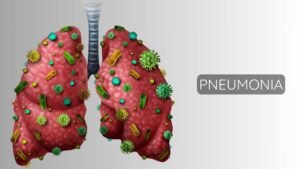
Pneumonia is a common respiratory infection that can
affect people of all ages, but especially the elderly,
young children, and individuals with weakened
immune systems. It can be caused by various factors
including bacteria, viruses, or fungi, and can present a
range of symptoms from mild to severe.
Understanding the symptoms, diagnosis, treatment,
and prevention of pneumonia is crucial in managing
the condition effectively and preventing
complications.
Symptoms of Pneumonia:
The symptoms of pneumonia can vary depending on
the cause of the infection and the overall health of the
individual. Common symptoms include:
1. Cough: A persistent cough that may produce yellow,
green, or bloody mucus.
2. Fever: A high fever, often accompanied by chills and
sweating.
3. Shortness of breath: Difficulty breathing, especially
when exerting oneself or lying down.
4. Chest pain: Sharp or stabbing chest pain that
worsens with coughing or deep breathing.
5. Fatigue: Feeling unusually tired or weak.
6. Muscle aches: General body aches and pains.
7. Bluish lips or nails: In severe cases, a lack of oxygen
may lead to discoloration of the lips and nails.
It is important to note that symptoms can develop
gradually or suddenly, and may vary in intensity
depending on the severity of the infection. If you
experience any of these symptoms, especially in
combination, it is important to seek medical attention
promptly.
Diagnosis of Pneumonia:
Diagnosing pneumonia typically involves a
combination of physical examination, medical history,
and diagnostic tests. Your healthcare provider may:
1. Listen to your lungs: Using a stethoscope, your
healthcare provider will listen for crackling, rumbling,
or wheezing sounds in your lungs, which can indicate
inflammation and fluid build-up.
2. Chest X-ray: A chest X-ray can show the extent and
location of the infection in your lungs.
3. Blood tests: A complete blood count (CBC) and
blood cultures can help identify the cause of the
infection, whether bacterial, viral, or fungal.
4. Pulse oximetry: This non-invasive test measures the
oxygen levels in your blood, which can be decreased in
cases of pneumonia.
In some cases, additional tests such as sputum
culture, bronchoscopy, or CT scans may be necessary
to confirm the diagnosis and determine the most
appropriate treatment plan.
Treatment of Pneumonia:
The treatment for pneumonia depends on the
underlying cause of the infection and the severity of
the illness. Treatment options may include:
1. Antibiotics: If the pneumonia is caused by bacteria,
antibiotics are typically prescribed to kill the infection.
2. Antiviral medication: In cases of viral pneumonia,
antiviral medications may be used.
3. Fever reducers and pain relievers: Over-the-counter
medications such as acetaminophen or ibuprofen can
help reduce fever and alleviate chest pain.
4. Oxygen therapy: In severe cases where oxygen
levels are low, supplemental oxygen therapy may be
required.
5. Hospitalization: For severe pneumonia or
individuals with underlying health conditions,
hospitalization may be necessary for close monitoring
and intravenous antibiotics.
It Is important to follow your healthcare provider’s
instructions closely, complete the full course of
antibiotics if prescribed, and get plenty of rest to aid in
your recovery.
Prevention of Pneumonia:
Preventing pneumonia is key to maintaining
respiratory health and reducing the risk of infection.
Some preventive measures include:
1. Vaccinations: Getting vaccinated against common
respiratory pathogens such as Streptococcus
pneumoniae and influenza can significantly reduce
the risk of pneumonia.
2. Good hygiene: Wash your hands regularly with soap
and water, especially before eating or touching your
face. Cover your mouth and nose with a tissue or your
elbow when coughing or sneezing.
3. Healthy lifestyle: Eat a balanced diet rich in fruits
and vegetables, exercise regularly, get enough rest,
and avoid smoking to maintain a strong immune
system.
4. Avoiding exposure: Limit contact with individuals
who are sick, avoid crowded places during flu season,
and stay away from cigarette smoke and other
irritants.
By practicing good hygiene, staying up-to-date on
vaccinations, and leading a healthy lifestyle, you can
reduce your risk of developing pneumonia and other
respiratory infections.
In conclusion, pneumonia is a serious respiratory
infection that can have significant health
consequences if left untreated. Recognizing the
symptoms, seeking prompt medical attention for
diagnosis and treatment, and taking preventive
measures to protect respiratory health are essential in
managing pneumonia effectively. By staying informed
and proactive in your health care, you can minimize
the risk of pneumonia and maintain a healthy lifestyle.