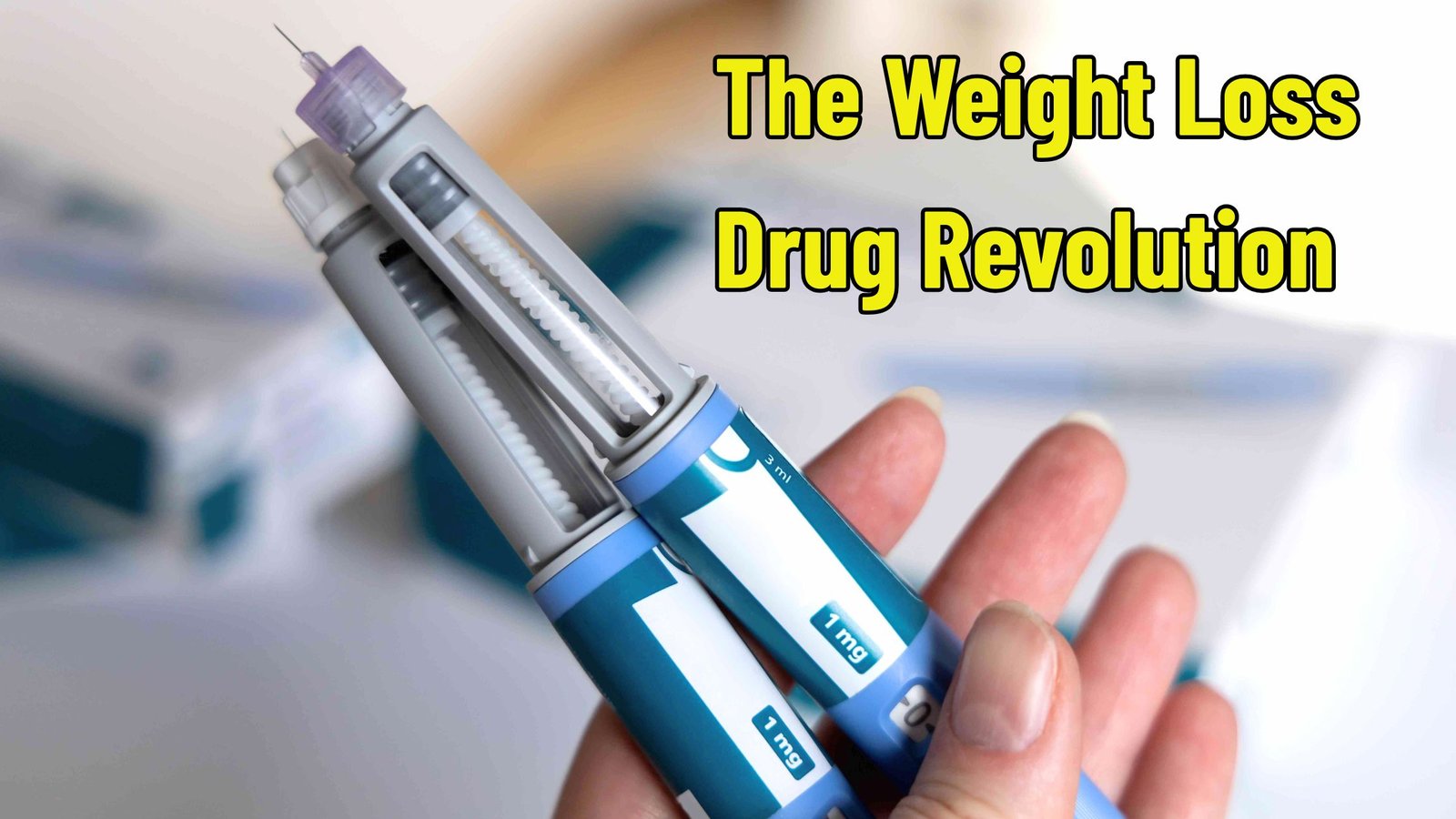
In recent years, the world of weight management has witnessed a paradigm shift.
For decades, obesity was managed through lifestyle modifications, behavioral therapy, and— only as a last resort—bariatric surgery.
However, the emergence of a new generation of weight loss drugs has transformed the landscape.
Leading this revolution are Ozempic (semaglutide) and Wegovy, but the story doesn’t end there.
The future of pharmacological weight management is expanding rapidly, driven by science, public demand, and changing societal perceptions.
The Science Behind the Success:
At the core of Ozempic and Wegovy lies semaglutide, a GLP-1 receptor agonist originally developed for managing type 2 diabetes.
GLP-1 (glucagon-like peptide-1) is a hormone that regulates insulin secretion and appetite.
By mimicking GLP-1, these drugs:
– Slow gastric emptying
– Reduce appetite
– Increase feelings of satiety
– Improve glycemic control
The results? Patients lost 10-15% of their body weight on average in clinical trials—results previously achievable only through surgery.
Why the Hype?
Several factors have contributed to the meteoric rise of these drugs:
1. Efficacy: Unlike older anti-obesity medications, semaglutide and its cousins show consistent, significant weight loss.
2. Convenience: Administered once weekly as a subcutaneous injection.
3. Dual Benefit: Controls blood sugar and aids in weight loss.
4. Celebrity Endorsements: Public figures discussing their weight loss journeys have fueled demand.
5. Social Media Buzz: Platforms like TikTok and Instagram have made “#Ozempic” go viral.
The Downsides: It’s Not All Smooth Sailing
Despite the excitement, concerns remain.
1. Side Effects
Nausea, vomiting, diarrhea, and constipation are common.
Some patients experience pancreatitis, gallbladder issues, or increased heart rate.
2. Cost and Access
Wegovy can cost upwards of $1,000/month in the US, often not covered by insurance.
In many countries, access is limited or restricted to diabetic patients.
3. Not a Cure
When patients stop using the drug, weight regain is common.
A recent study in The Lancet showed patients regained two-thirds of lost weight within a year after discontinuation.
4. Stigma and Misuse
As demand soars, some individuals seek it off-label or through black-market sources, raising ethical and medical safety concerns.
What’s Beyond Ozempic and Wegovy?
Here’s a look at the next wave of weight loss drugs reshaping the future:
1. Tirzepatide (Mounjaro, Zepbound)
Mechanism: Dual GIP and GLP-1 receptor agonist
Why it matters: In clinical trials, tirzepatide has shown greater weight loss than semaglutide—up to 22.5% of body weight.
FDA Approval: Approved for type 2 diabetes and now for chronic weight management (Zepbound).
2. Retatrutide (under development)
Mechanism: Triple agonist – GLP-1, GIP, and glucagon receptors
Potential: Early trials suggest even more significant weight loss than tirzepatide, possibly over 25%.
Status: Still in Phase 2/3 trials, but a hot topic among researchers.
3. Orforglipron – A GLP-1 pill
Mechanism: Oral, non-peptide GLP-1 receptor agonist
Why it’s promising: A pill, not an injection! Huge appeal for those wary of needles.
Status: Currently in clinical trials.
4. Cagrilintide + Semaglutide (Combo Therapy)
Mechanism: Amylin analog + GLP-1
Advantage: Amylin analogs further suppress appetite.
Outlook: Combination therapies could offer greater weight loss with lower doses of each drug.
5. Emerging Peptide Therapies
Multiple biotech companies are developing new peptides that target hunger hormones like ghrelin or act on CNS appetite centers.
These are still experimental but hold exciting potential.
The Global Impact: Obesity as a Chronic Disease
According to the World Obesity Federation, over 1 billion people globally will be living with obesity by 2030.
The complications—diabetes, hypertension, cardiovascular disease, sleep apnea, certain cancers—make obesity a multisystem disease rather than a mere lifestyle issue.
With this new pharmacological arsenal, obesity is now being reframed as a chronic, relapsing disease needing long-term management—not quick fixes.
Shifting the Conversation Around Weight
The success of these drugs has also sparked debate:
– Are we medicalizing normal body diversity?
– Will access be equitable across income groups?
– Does it reinforce unrealistic body ideals?
At the same time, these medications offer hope for patients who have struggled for years despite diet and exercise.
Mental Health Matters Too
Let’s not forget the psychological toll of obesity—depression, anxiety, and body-image issues are common.
Any weight management plan must include:
– Mental health support
– Counseling
– Lifestyle coaching
– Drugs are tools, not magic bullets.
What Should Patients Know?
If you’re considering these medications:
– Consult a qualified doctor
– Screen for contraindications (e.g., personal/family history of medullary thyroid cancer)
– Understand that lifestyle changes are still important
– Be aware of long-term cost and commitment
What Lies Ahead?
The future of obesity management is multidimensional:
– Personalized therapy based on genetics and microbiome
– Digital health tools for tracking progress
– Combination therapies for tailored approaches
– Focus on prevention—especially in children and teens
We’re moving toward an era where weight loss is not just about aesthetics, but about health equity, science, and sustained outcomes.
Conclusion:
The rise of drugs like Ozempic and Wegovy marks the beginning of a revolution, not its peak.
With more advanced therapies on the horizon and a growing understanding of obesity as a complex disease, we are entering a new chapter in healthcare.
But as with any breakthrough, responsible use, ethical considerations, and accessibility must guide the way forward.
In the end, weight loss is not just about numbers on a scale.
It’s about helping people live longer, healthier, and happier lives.