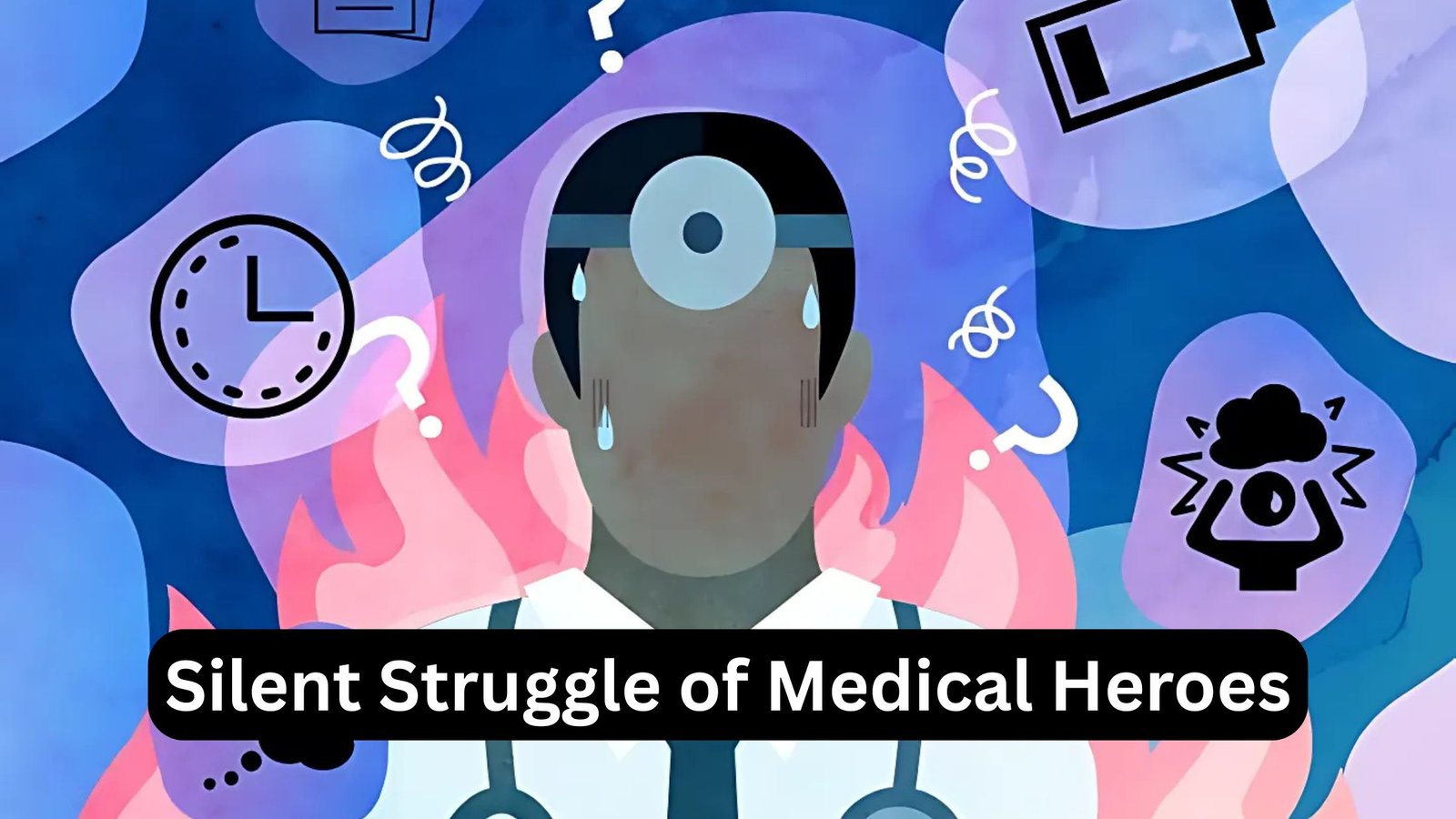
In the high-stakes world of medicine, doctors, nurses, and other healthcare professionals are often seen as invincible warriors.
Society places them on a pedestal, expecting them to be tireless caregivers, miracle workers, and calm decision-makers.
Yet behind the white coats and clinical calm lies a deeply human struggle—one that is often hidden, overlooked, or stigmatized: mental health.
1. The Emotional Toll of Medicine
Medical professionals deal with life and death situations daily.
They witness suffering, trauma, and sometimes devastating loss.
While they are trained to maintain clinical objectivity, repeated exposure to such intense scenarios can lead to emotional fatigue,
compassion fatigue, and ultimately burnout.
Over time, this persistent exposure can take a toll on their mental well-being.
For instance, a physician treating terminally ill patients may internalize the grief and helplessness of families, affecting their emotional stability.
A nurse in the emergency room working back-to-back shifts may suppress trauma responses to continue functioning.
Over time, without an outlet or support, such suppression can lead to anxiety, depression, or even PTSD.
2. Burnout – The Epidemic Within Healthcare
Burnout among healthcare workers has reached alarming levels worldwide.
The World Health Organization (WHO) officially recognized burnout as an occupational phenomenon in 2019.
Defined by emotional exhaustion, depersonalization, and a reduced sense of personal accomplishment, burnout can severely impair clinical judgment, communication, and patient safety.
A 2021 Medscape survey reported that over 40% of doctors in the U.S. experienced burnout, with similar trends noted globally.
The COVID-19 pandemic only exacerbated this issue, highlighting the lack of institutional preparedness to address healthcare workers’
emotional and psychological needs.
3. Mental Health Stigma in Medicine
Despite being champions of patient care, many doctors and medical staff hesitate to seek help for themselves.
Fear of judgment, professional repercussions, or being seen as “weak” discourages healthcare workers from acknowledging their own struggles.
Some even worry that disclosing mental health issues might jeopardize licensure or career progression.
This culture of stoicism is detrimental. When healers are not healing themselves, the ripple effects are significant: poor job satisfaction, increased errors, strained personal relationships, and tragically, in some cases, suicide.
The physician suicide rate is nearly double that of the general population, with women doctors at particularly high risk.
4. Why Mental Health is Crucial in Medicine
Mental health is the foundation of overall well-being. For medical professionals, it is integral not only for personal quality of life but also for professional competency.
Here’s why:
Patient Safety: A mentally healthy provider is more alert, empathetic, and communicative, leading to better decision-making and fewer medical errors.
Team Dynamics: Hospitals and clinics function as teams. Emotional stability enhances collaboration, trust, and resilience under pressure.
Work-Life Balance: Good mental health promotes boundaries, reducing the risk of overwork and supporting fulfilling lives outside of work.
Long-term Career Sustainability: Emotional regulation, self-care, and psychological resilience enable providers to remain effective over decades-long careers.
5. Common Mental Health Challenges in Healthcare Workers
Some common mental health issues faced by medical professionals include:
Burnout: Chronic workplace stress that has not been successfully managed.
Anxiety Disorders: Performance pressure, litigation fears, or high patient loads can contribute to anxiety.
Depression: Isolation, long hours, and emotional suppression can manifest as depression.
Substance Use Disorders: Some turn to alcohol, stimulants, or sedatives to cope.
Sleep Disorders: Irregular shifts and night duties disrupt circadian rhythms.
Moral Injury: Arising when professionals feel they are unable to provide the care they know is needed due to systemic limitations.
6. Signs That a Medical Professional Might Be Struggling
Recognizing the early signs of mental distress is vital. These may include:
1. Persistent fatigue or insomnia
2. Loss of empathy or detachment from patients
3. Difficulty concentrating
4. Frequent irritability or anger
5. Decreased job performance or absenteeism
6. Feelings of hopelessness or guilt
7. Substance misuse
7. Creating a Culture of Support and Openness
The solution begins with changing the culture within healthcare.
Hospitals, medical schools, and institutions must:
Normalize Conversations: Talking about mental health should be as routine as discussing physical health.
Provide Resources: On-site counseling, support groups, and access to therapists without fear of professional harm.
Encourage Peer Support: Programs like buddy systems and mentorship reduce isolation.
Train Leadership: Supervisors and hospital admins should be trained to recognize signs of burnout and offer supportive interventions.
Protect Work-Life Balance: Enforce reasonable work hours, mandatory breaks, and encourage vacation use.
8. Personal Strategies for Mental Well-being
While systemic changes are crucial, individual healthcare providers can take steps to safeguard their mental health:
Practice Self-Care: Regular exercise, hobbies, and rest are essential.
Mindfulness and Meditation: Even short daily practices can reduce stress and enhance focus.
Set Boundaries: Learn to say no, delegate, and prioritize.
Seek Help Early: Professional help should not be a last resort—it should be a first step.
Maintain Social Connections: Nurture relationships outside of the medical environment.
Reflect and Journal: A few minutes of writing daily can help process emotions.
9. The Role of Technology and Innovation
With teletherapy, mental health apps, and anonymous support groups, help is more accessible than ever.
Hospitals can partner with platforms offering confidential services tailored to healthcare workers, especially in high-stress departments like ICU, emergency medicine, and oncology.
Additionally, AI-driven wellness tools can monitor stress levels and offer timely interventions or nudges—be it for a walk, breathing exercise, or seeking counseling.
10. The Way Forward
Medical professionals dedicate their lives to saving others.
It is time that we, as a society, return the favor by creating environments where they feel safe, valued, and supported.
Prioritizing mental health is not just an individual responsibility—it is an organizational and cultural imperative.
When caregivers thrive mentally and emotionally, patient outcomes improve, healthcare systems become more sustainable, and we build a more compassionate world of medicine.
Conclusion:
In the healing profession, tending to one’s own mental well-being is not a luxury—it is a necessity.
Let us normalize, support, and empower medical professionals to speak up, seek help, and practice the same compassion for themselves that they so generously extend to others.