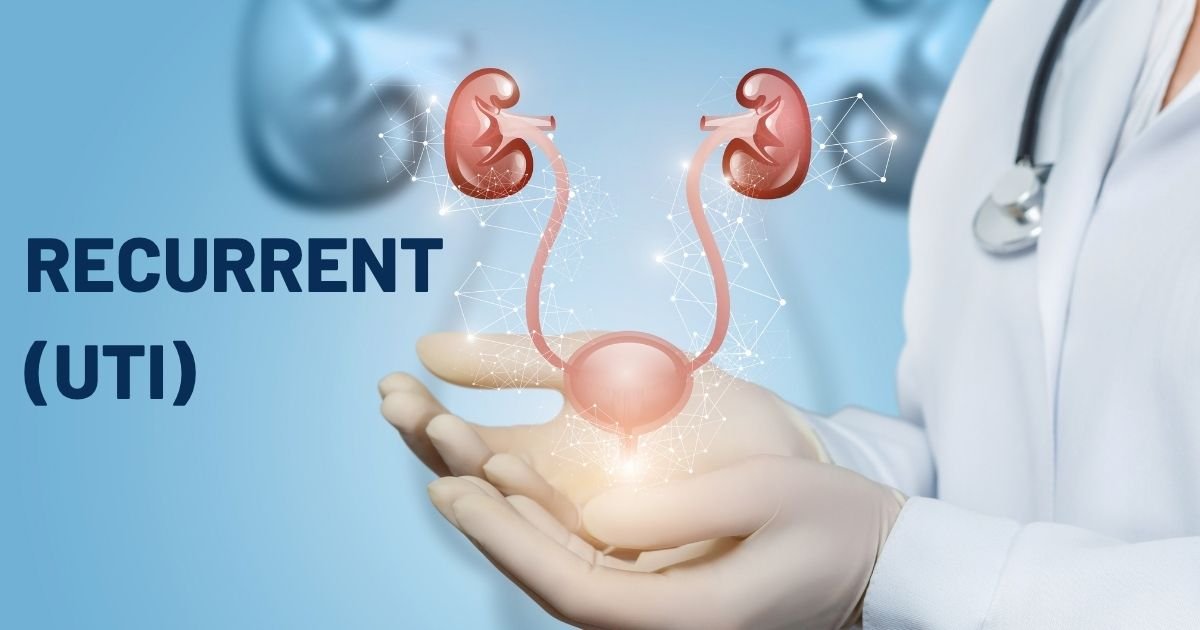
Urinary Tract Infections (UTIs) are among the most common bacterial infections seen in adults—especially women.
For many, a single episode can be distressing, but for some, the infection returns again and again, turning into a recurrent UTI (rUTI).
Understanding why this happens, how to treat it effectively, and what preventive steps can be taken is crucial for long-term relief and kidney health.
What Is a Recurrent UTI?
A recurrent UTI is defined as:
– Two or more UTIs in six months, or
– Three or more UTIs in one year
Most are caused by Escherichia coli (E. coli) — bacteria that normally live in the gut but can invade the urinary tract.
Other culprits include Klebsiella, Proteus, Enterococcus, and occasionally Pseudomonas.
Women are more prone due to anatomical reasons (shorter urethra, proximity to anus), hormonal factors, and postmenopausal changes.
However, men, children, and the elderly can also be affected — often due to underlying structural or functional issues in the urinary
system.
Common Symptoms of Recurrent UTI Though symptoms may vary in intensity, recurrent infections usually present with familiar
warning signs:
– Lower Urinary Tract Symptoms
– Burning sensation or pain while urinating (dysuria)
– Increased frequency and urgency of urination
– Passing small amounts of urine each time
– Cloudy or foul-smelling urine
– Blood in the urine (hematuria)
– Systemic Symptoms (in complicated cases)
– Fever, chills, and malaise
– Flank or back pain (indicating kidney involvement or pyelonephritis)
– Fatigue and irritability
In Elderly or Diabetic Patients
– Confusion or delirium
– Incontinence or worsening of existing bladder symptoms
– General weakness
It’s important to note that not every urinary symptom equals infection.
In some, especially postmenopausal women, symptoms may arise from atrophic vaginitis or bladder pain syndrome.
Hence, urine culture confirmation is essential before labeling it as recurrent UTI.
Why Do UTIs Keep Coming Back?
Recurrent infections can occur due to several underlying causes:
Relapse:
The same organism reappears within two weeks of treatment, indicating incomplete
eradication or bacterial persistence in the bladder or kidney.
Reinfection:
A new organism causes infection weeks or months after the previous one.
This is more common and usually reflects behavioral or anatomical predispositions.
Predisposing Factors:
– Inadequate or inappropriate antibiotic treatment
– Diabetes mellitus
– Kidney stones or structural urinary obstruction
– Postmenopausal estrogen deficiency
– Use of urinary catheters
– Poor hygiene or improper wiping technique
– Frequent sexual intercourse (“honeymoon cystitis”)
– Use of spermicides or diaphragms
– Constipation and dehydration
Identifying these risk factors is key to long-term management.
Diagnosis: Finding the Real Culprit
Before jumping into treatment, a systematic approach is necessary:
1. Urine Culture & Sensitivity
Confirms infection and identifies the causative organism.
Guides antibiotic choice and helps detect resistant strains.
2. Ultrasound or Imaging
Recommended in men, diabetics, elderly, or those with suspected stones, obstruction, or
anatomical anomalies.
3. Cystoscopy or CT Urogram
Indicated in recurrent complicated cases or hematuria to rule out bladder pathology,
diverticulum, or malignancy.
4. Additional Tests
Blood glucose (for diabetes)
Post-void residual urine (to assess emptying)
Vaginal swab if there’s suspicion of concurrent infection
Treatment of Recurrent UTI
Treatment depends on whether it’s a simple reinfection or a complicated relapse.
1. Acute Episode Management
Empiric therapy should be based on local antibiotic resistance patterns.
Commonly used oral options (depending on sensitivity):
Nitrofurantoin (5–7 days)
Fosfomycin (single dose)
Pivmecillinam (where available)
Trimethoprim-sulfamethoxazole (if resistance <20%)
Fluoroquinolones (only if absolutely necessary due to resistance risk)
2. Tailored Antibiotic Therapy
Adjust once urine culture results are available.
Ensure adequate duration (5–7 days) and compliance.
In complicated or systemic infections — intravenous antibiotics (e.g., ceftriaxone,
piperacillin-tazobactam, or carbapenems) may be needed.
3. Address Underlying Causes
Remove or replace catheters if possible.
Treat stones or anatomical obstructions.
Manage diabetes and other comorbidities.
4. Postmenopausal Women
Topical vaginal estrogen creams or pessaries can restore normal flora and reduce
recurrence.
5. Prophylactic Strategies
When infections are frequent despite all measures, prophylaxis can be considered:
Continuous low-dose prophylaxis:
e.g., Nitrofurantoin 50 mg or Trimethoprim 100 mg at bedtime for 6 months.
Post-coital prophylaxis:
Single antibiotic dose after sexual activity for women with intercourse-related UTIs.
Self-start therapy:
Select women trained to recognize symptoms can keep antibiotics for early use after urine collection.
Non-Antibiotic & Supportive Measures
With rising antibiotic resistance, non-antibiotic prevention is gaining traction.
1. Cranberry Extracts or D-Mannose
May prevent bacterial adhesion to the bladder wall.
Available as capsules or sachets; evidence is mixed but many patients benefit.
2. Adequate Hydration
Drinking plenty of fluids helps flush out bacteria and dilute urine.
Aim for at least 2–2.5 liters/day unless restricted for medical reasons.
3. Good Personal Hygiene
Wipe front to back after urination or defecation.
Avoid harsh soaps or feminine hygiene sprays.
Wear cotton underwear and avoid tight clothing.
4. Avoid Irritants
Refrain from using spermicides, scented products, and bubble baths that disturb natural flora.
5. Bladder Emptying Habits
Don’t hold urine for long periods.
Empty the bladder soon after sexual intercourse.
6. Immunoactive Prophylaxis
Vaccines or oral bacterial lysates (like Uro-Vaxom®) have shown benefit in reducing
recurrence by stimulating mucosal immunity.
7. Lifestyle Modifications
Manage constipation.
Control diabetes and maintain healthy weight.
Limit caffeine, alcohol, and spicy foods which may irritate the bladder.
Prevention: The Long-Term Plan
Preventing recurrence is a combination of lifestyle habits, medical interventions, and awareness.
Do’s:
– Maintain good hydration
– Practice post-coital voiding
– Use vaginal estrogen if postmenopausal
– Take prescribed prophylaxis as advised
– Keep track of infection episodes and urine cultures
Don’ts:
– Avoid unnecessary antibiotics (to prevent resistance)
– Don’t ignore recurrent symptoms — seek evaluation
– Avoid tight undergarments and prolonged moisture
– Don’t self-medicate without medical advice
When to See an Infectious Diseases Specialist?
If you experience frequent, severe, or antibiotic-resistant UTIs, or have comorbidities like diabetes, kidney stones, or immunosuppression, an infectious diseases (ID) specialist can:
– Review your infection pattern
– Optimize antibiotic selection
– Recommend advanced diagnostic tests
– Advise on immunotherapy or prophylaxis
– Coordinate care with urologists and gynecologists
Final Thoughts:
Recurrent UTIs can be frustrating, but with the right diagnosis, tailored therapy, and lifestyle adjustments, they can be effectively managed and even prevented.
The focus should not only be on treating infections but also on addressing root causes and restoring bladder health.
A healthy urinary system Is essential to overall well-being — so don’t ignore persistent symptoms.
Consult your doctor early, follow preventive measures, and take control of your urinary health.