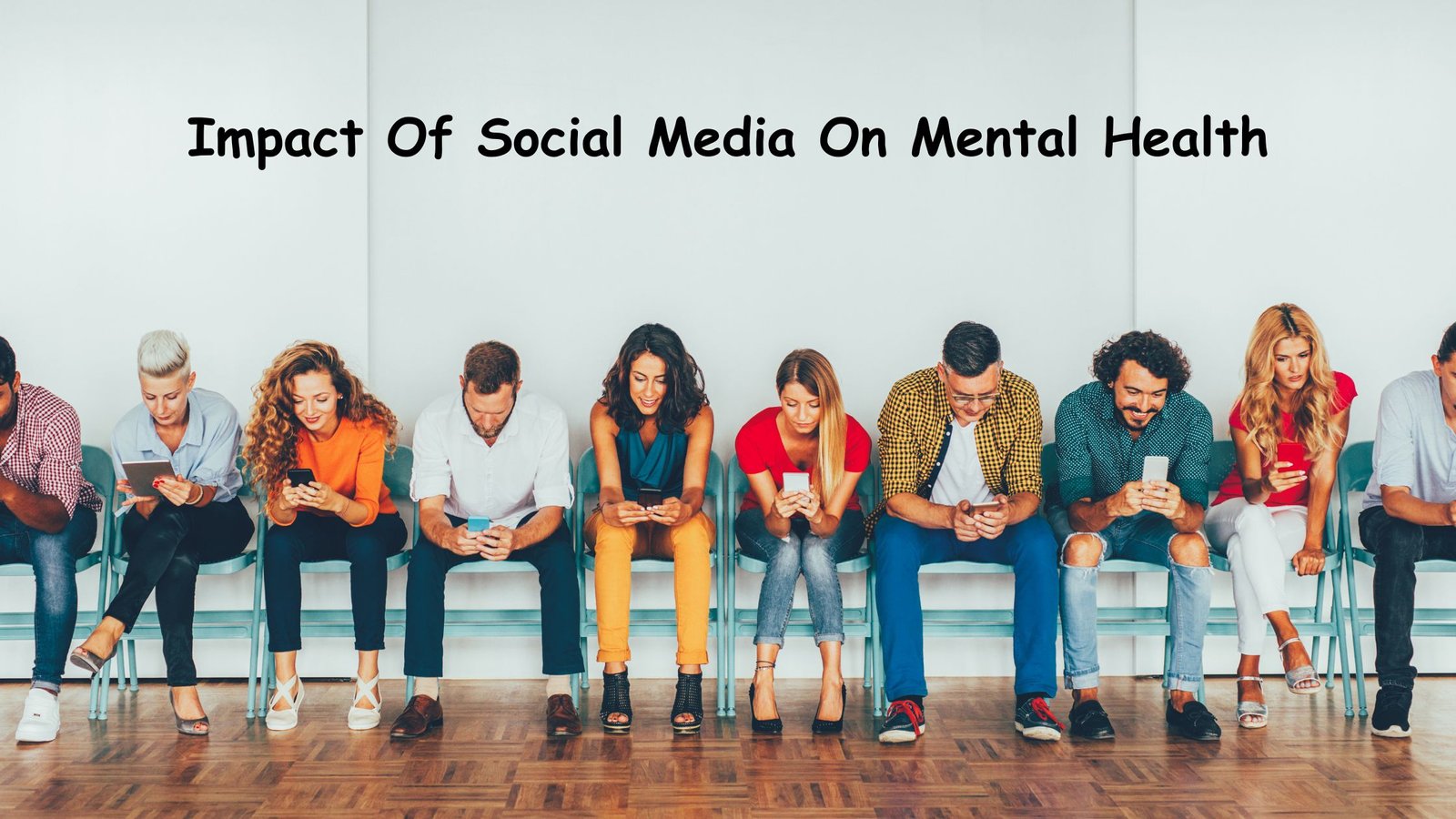
In today’s digital age, social media has become an integral part of our daily lives.
From constantly checking our notifications to scrolling through endless feeds, it’s easy to get lost in the world of likes, comments, and shares.
While social media can be a great tool for staying connected and informed, it also has a significant impact on our mental health.
In this blog, we will explore the various ways in which social media affects our mental well-being and discuss strategies for maintaining a healthy balance.
One of the main ways in which social media affects mental health is through comparison. It’s human nature to compare ourselves to others, but social media exacerbates this tendency by providing a constant stream of curated content that highlights the best parts of people’s lives.
This can lead to feelings of inadequacy, jealousy, and low self-esteem as we compare our own lives to the seemingly perfect lives of others.
Research has shown that excessive social media use is linked to increased feelings of depression and anxiety, as well as decreased life satisfaction.
Another way in which social media impacts mental health is through the phenomenon of FOMO, or fear of missing out. Seeing photos and updates from friends’ social events and outings can trigger feelings of loneliness and isolation in those who are not part of the action.
This fear of missing out can lead to compulsive checking of social media, as individuals constantly seek validation and reassurance that they are not being left behind.
This constant need for approval and validation from others can take a toll on mental health and overall well-being.
Furthermore, social media can also contribute to feelings of disconnection and loneliness, despite the illusion of constant connection.
Spending hours scrolling through feeds and engaging in online interactions can lead to a lack of meaningful, face-to-face relationships and a sense of superficial social connections.
Studies have found that heavy social media users report feeling more socially isolated and lonely than those who use social media less frequently. This sense of disconnection can have a negative impact on mental health and exacerbate feelings of loneliness and depression.
So, what can we do to maintain a healthy balance and protect our mental well-being in the digital age? Here are some tips:
- Set boundaries: Establish clear guidelines for how much time you allow yourself to spend on social media each day. Set limits on when and where you use social media to prevent it from taking over other aspects of your life.
- Practice mindfulness: Be mindful of your feelings and emotions as you scroll through social media. Take breaks when you start to feel overwhelmed or anxious, and engage in breathing exercises or other grounding techniques to recenter yourself.
- Cultivate in-person relationships: Make an effort to prioritize face-to-face interactions and cultivate meaningful relationships outside of the digital realm. Attend social events, join clubs or groups, and make time for quality time spent with loved ones.
- Curate your feed: Be mindful of who you follow on social media and how their content makes you feel. Unfollow accounts that trigger feelings of jealousy, inadequacy, or negativity, and instead follow accounts that inspire and uplift you.
- Take regular breaks: Schedule regular periods of time away from social media to unplug and recharge. Use this time to engage in activities that bring you joy and fulfillment, such as spending time outdoors, reading a book, or pursuing a hobby.
- Seek support: If you are struggling with feelings of anxiety, depression, or loneliness related to social media use, don’t be afraid to reach out for help. Talk to a trusted friend, family member, or mental health professional for support and guidance.
Overall, it’s important to be mindful of the impact of social media on our mental health and take proactive steps to maintain a healthy balance. By setting boundaries, practicing mindfulness, cultivating meaningful relationships, curating our feeds, taking breaks, and seeking support when needed, we can navigate the digital world in a way that supports our well-being and overall mental health.
Remember, it’s okay to unplug, take a break, and prioritize your mental well-being above all else.