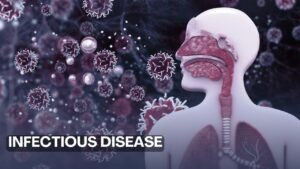
Infectious diseases are a significant public health concern that pose
a threat to individuals, communities, and even global populations.
These diseases are caused by pathogenic microorganisms such as
bacteria, viruses, fungi, or parasites and can lead to a wide range of
symptoms and complications. Infectious diseases can spread
rapidly and have the potential to cause epidemics or pandemics if
not effectively controlled. This is where infectious diseases
specialists play a crucial role in the healthcare system.
Infectious diseases specialists are medical professionals who have
received specialized training in the diagnosis, treatment, and
prevention of infectious diseases. They work closely with patients
who have been infected with various pathogens, including bacteria,
viruses, and parasites, to provide the appropriate care and
treatment. These specialists play a critical role in effectively
managing infectious diseases and preventing their spread in
communities.
One of the primary responsibilities of infectious diseases specialists
is to accurately diagnose and treat infectious diseases. These
specialists have a deep understanding of the different pathogens
that can cause infectious diseases and are skilled in identifying the
specific microorganism responsible for an individual’s illness. By
conducting thorough evaluations and running specialized tests,
infectious diseases specialists can determine the most appropriate
course of treatment for each patient.
Infectious diseases specialists are adept at prescribing the right
medications and treatment regimens to effectively combat
infections caused by bacteria, viruses, fungi, or parasites. They stay
up to date on the latest research and developments in the field of
infectious diseases to ensure that they are providing their patients
with the most effective treatments available. Whether it’s
prescribing antibiotics for bacterial infections or antiviral
medications for viral illnesses, infectious diseases specialists tailor
their treatment plans to meet the unique needs of each patient.
Furthermore, infectious diseases specialists are instrumental in
preventing the spread of infectious diseases within communities. By
identifying and isolating individuals who have been infected with a
pathogen, these specialists help contain outbreaks and prevent
further transmission of the disease. This is particularly vital in the
case of highly contagious infections like influenza, measles, or
COVID-19, where prompt action is crucial to prevent widespread
outbreaks.
Infectious diseases specialists also play a key role in public health
efforts to control and prevent infectious diseases. They work closely
with public health agencies to develop strategies for disease
prevention, conduct surveillance to monitor the spread of
infections, and participate in outbreak investigations to identify the
source of infections. By collaborating with public health officials,
infectious diseases specialists help to develop policies and
guidelines that can mitigate the impact of infectious diseases on
populations.
Research is another essential aspect of the work of infectious
diseases specialists. These specialists are involved in conducting
research studies to advance our understanding of infectious
diseases, develop new treatments, and improve prevention
strategies. By investigating the mechanisms of various pathogens,
studying the transmission of infections, and testing new therapies,
infectious diseases specialists contribute to the development of
innovative approaches to combat infectious diseases.
Infectious diseases specialists also play a vital role in educating
healthcare providers, patients, and the public about infectious
diseases. They help raise awareness about the importance of
preventive measures such as vaccination, hand hygiene, and
infection control practices. By providing information on how
infectious diseases spread and what steps can be taken to reduce
the risk of infection, infectious diseases specialists empower
individuals to protect themselves and their communities.
Moreover, infectious diseases specialists are crucial members of
healthcare teams, working collaboratively with other medical
professionals to provide comprehensive care for patients with
infectious diseases. They consult with primary care physicians,
nurses, pharmacists, and other specialists to ensure that patients
receive coordinated and effective treatment. This multidisciplinary
approach to care helps improve patient outcomes and enhances
the quality of care provided to individuals with infectious diseases.
In conclusion, infectious diseases specialists play a vital role in the
healthcare system by diagnosing, treating, and preventing infectious
diseases. Their expertise in managing infections caused by various
pathogens, their involvement in public health efforts to control and
prevent the spread of infections, their research contributions to
advancing our knowledge of infectious diseases, and their role in
educating individuals about infection prevention are all invaluable.
Infectious diseases specialists are essential in safeguarding the
health and well-being of individuals, communities, and populations
against the threat posed by infectious diseases.