Introduction: The Unseen Heroes
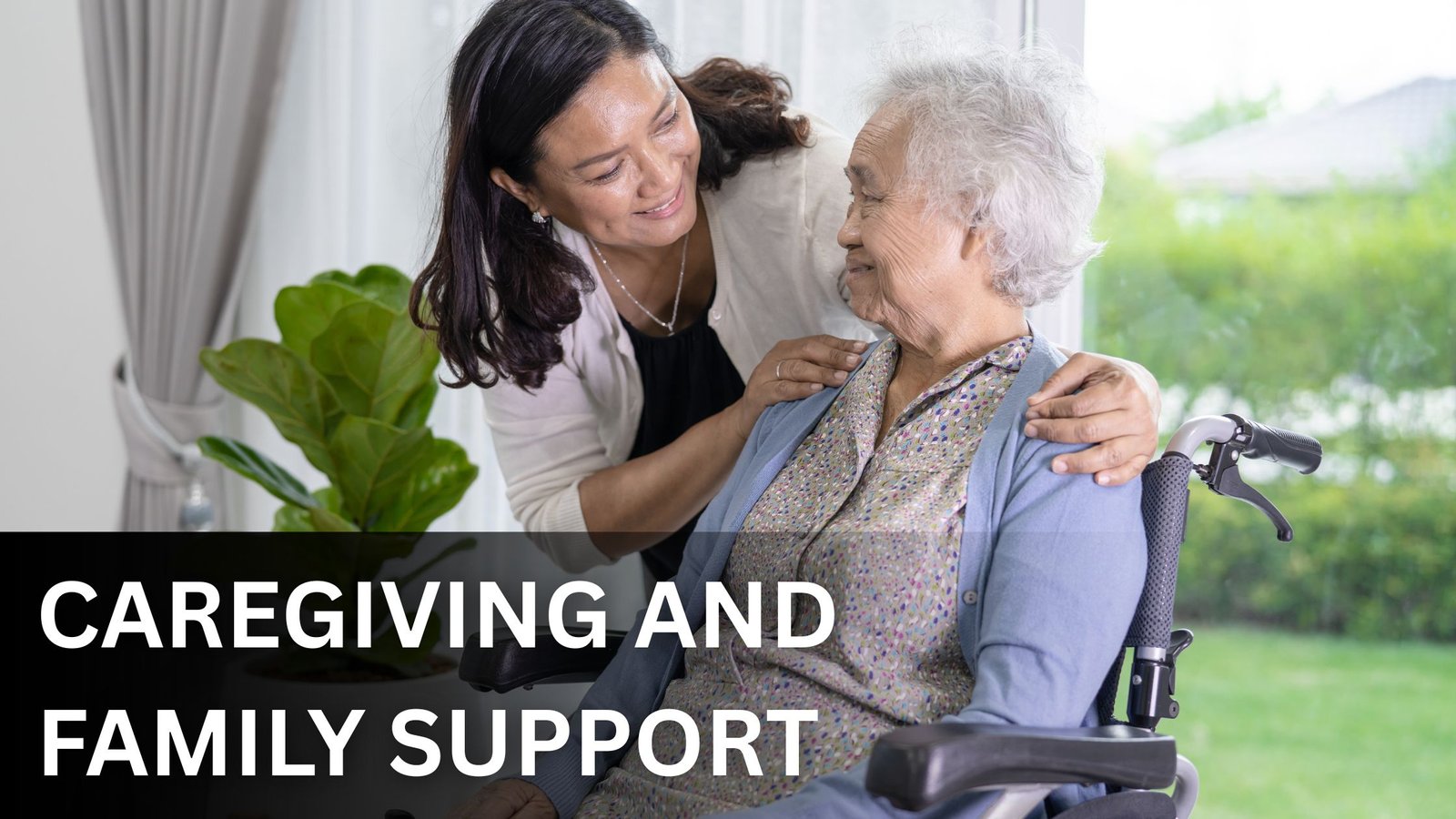
In every hospital ward, hospice center, and family home, there’s a group of unsung heroes who often go unnoticed — caregivers.
They may be spouses, parents, adult children, siblings, or even close friends.
They are the people who put their own lives on pause to support a loved one battling illness, disability, or old age.
Caregiving is more than just helping with medical tasks.
It’s emotional reassurance at 2 a.m., endless patience on tough days, and quiet courage when the future feels uncertain.
While doctors and nurses provide clinical care, it’s often the caregiver’s constant presence that sustains the patient’s will to fight.
The Emotional Journey of a Caregiver
Being a caregiver is a deeply human experience, filled with love, frustration, hope, and heartbreak.
Emotional Highs: Witnessing a loved one’s recovery milestones or being able to comfort them in moments of fear.
Emotional Lows: Feeling helpless during medical setbacks, dealing with mood changes in the patient, or facing the realityof progressive illnesses.
Caregivers often describe their experience as a “rollercoaster” — one day filled with optimism, the next clouded by exhaustion and doubt.
“I never knew I was capable of such strength until I became a caregiver for my mother.
But I also never knew how lonely it could feel.” — A daughter caring for her parent with Alzheimer’s.
The Physical and Mental Toll
While caregiving is an act of love, it’s also physically and mentally demanding.
Studies show that long-term caregivers are at higher risk for depression, anxiety, sleep disturbances, and chronic health problems.
Common challenges include:
1. Physical Strain: Lifting patients, helping with mobility, and managing daily chores.
2. Emotional Burnout: The stress of watching a loved one in pain.
3. Social Isolation: Limited time for personal relationships or hobbies.
4. Financial Pressure: Lost income from reduced working hours or medical expenses.
The paradox is clear — caregivers give their all to keep someone else healthy, often at the cost of their own well-being.
Why Family Support Matters
No caregiver should walk this journey alone.
Family support is not just “helping out” it’s about creating a safety net that prevents burnout and ensures the patient receives holistic care.
Family support can take many forms:
– Emotional Support: Being a listening ear without judgment.
– Practical Help: Sharing caregiving shifts, preparing meals, or running errands.
– Financial Assistance: Helping cover medical bills or daily living expenses.
– Advocacy: Attending medical appointments to help ask questions and make decisions.
When family members rally together, it reduces the pressure on one individual and fosters a sense of shared responsibility.
Balancing Love and Exhaustion
One of the hardest truths for caregivers is that love alone isn’t enough.
Without rest, boundaries, and help, even the most devoted caregiver can burn out.
Tips for caregivers to protect their own health:
– Accept Help: Saying “yes” when someone offers to assist is not a sign of weakness.
– Set Boundaries: Define what you can and cannot do without guilt.
– Take Short Breaks: Even 15 minutes of rest can recharge your energy.
– Seek Support Groups: Talking to other caregivers can be both validating and educational.
– Prioritize Self-Care: Nutrition, exercise, and adequate sleep aren’t luxuries — they’re necessities.
➢ Remember: You cannot pour from an empty cup.
Cultural Dimensions of Caregiving
In many cultures, caregiving is not just a choice — it’s an expectation.
In India, for example family members are considered the primary caregivers, often with little external support.
This cultural value strengthens family bonds but can also lead to hidden struggles when caregivers hesitate to seek help, fearing judgment or shame.
Globally, changing family structures — smaller families, migration for work, and urban lifestyles — are making traditional caregiving more challenging.
This highlights the growing need for community-based and professional caregiving support systems.
When Professional Help Becomes Necessary:
While family caregiving is invaluable, some situations require additional professional help:
– Advanced medical procedures at home (e.g., wound care, IV medications).
– Specialized therapy (e.g., physiotherapy, speech therapy).
– End-of-life care requiring trained palliative staff.
Hiring professional caregivers or home healthcare services can relieve the family’s workload and improve patient outcomes.
The key is to view this not as “abandoning” the loved one but as strengthening the caregiving team.
The Rewards of Caregiving
Despite the hardships, caregivers often speak about the profound meaning they find in their role:
– Deeper Relationships: Illness can strengthen bonds and create moments of raw, honest connection.
– Personal Growth: Learning patience, empathy, and resilience.
– Lasting Memories: Knowing you were there during your loved one’s most vulnerable moments.
These rewards do not erase the struggles, but they often give caregivers the strength to continue.
How Society Can Support Caregivers
Caregiving is not just a family matter — it’s a societal responsibility. We need policies and systems that recognize and support caregivers:
– Paid family leave for caregivers.
– Affordable home healthcare services.
– Training programs for non-medical family caregivers.
– Public awareness campaigns to reduce stigma and encourage help-seeking.
Governments, healthcare institutions, and community organizations must work together to ensure caregivers have the resources they need.
Conclusion: Caring for the Caregivers
Caregiving is an act of love, but it should never be an act of self-sacrifice to the point of personal harm.
Behind every patient’s recovery — or dignified end-of-life journey — is often a caregiver holding things together.
If you are a caregiver, know that your role matters more than you realize.
And if you know a caregiver, reach out — even small acts of kindness can make a big difference.
Because while medicine can heal the body, it’s caregivers and their families who often heal the spirit.