Dengue, commonly known as “breakbone fever,” is a mosquito-borne viral infection that poses a significant health challenge, particularly in tropical and subtropical regions.
Caused by the dengue virus (DENV), which has four distinct serotypes (DENV-1 to DENV-4), dengue affects millions worldwide every year, with recurring outbreaks placing a burden on healthcare systems.
Here’s everything you need to know about this disease — from how it’s transmitted to how you can stay safe.
Transmission:
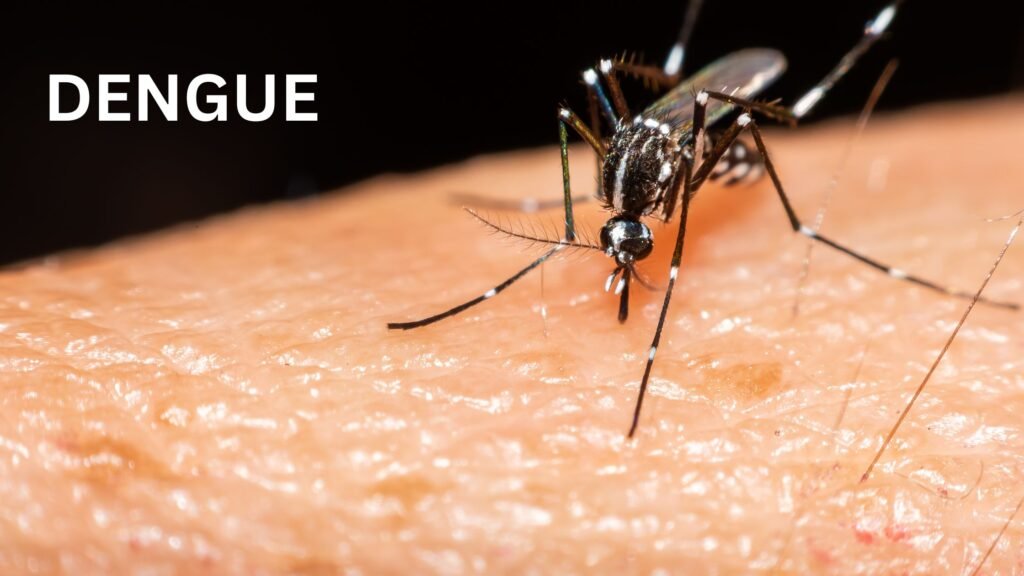
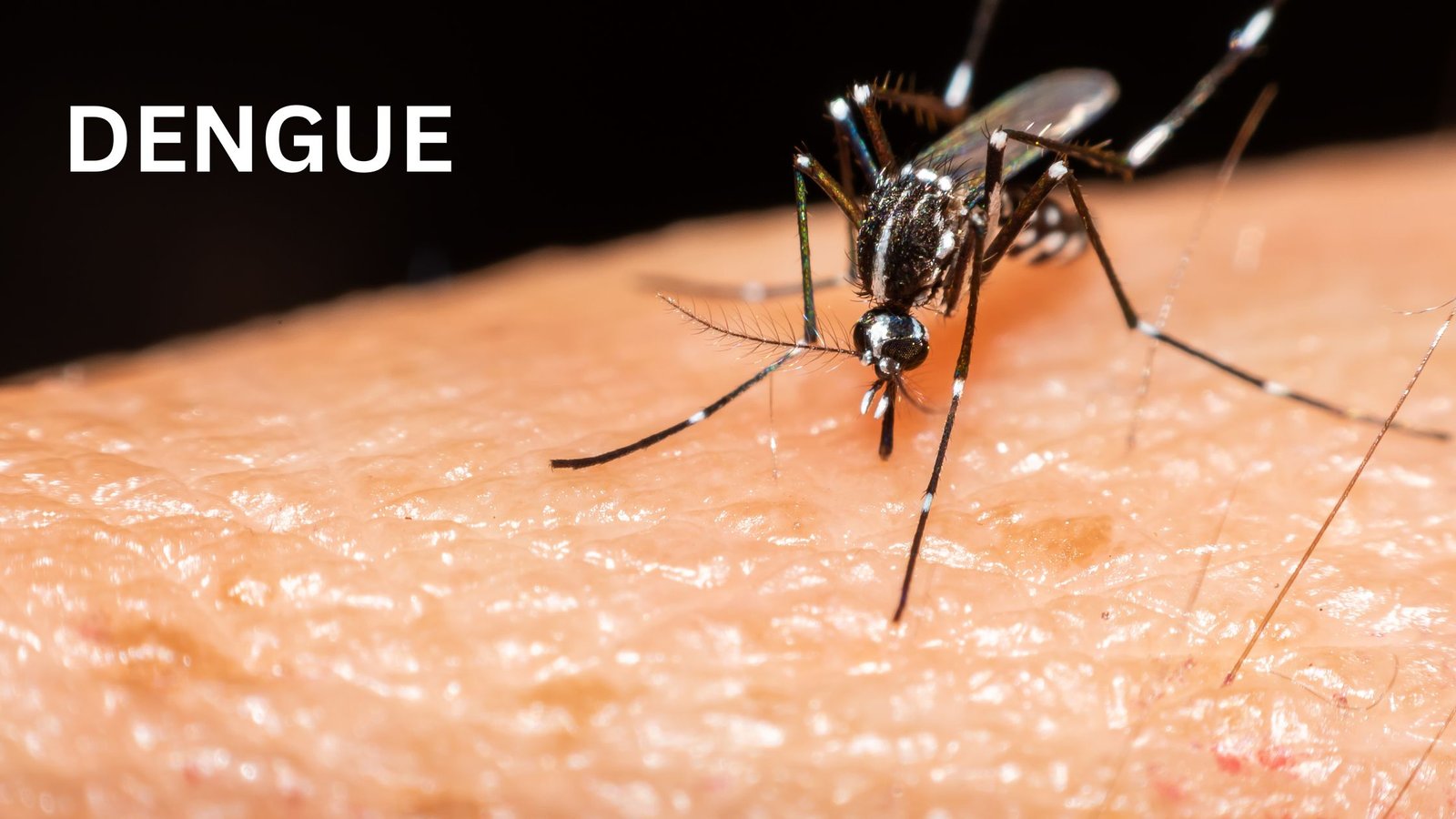
Dengue is primarily transmitted through the bite of infected female Aedes aegypti mosquitoes.
These mosquitoes are aggressive daytime biters, with peak activity in early morning and before dusk.
Key points on transmission:
~ Mosquito vector: Aedes aegypti (most common), occasionally Aedes albopictus.
~ Virus entry: When a mosquito bites a person already infected with DENV, it picks up the virus and becomes a carrier. It can then transmit the virus to another individual through its bite.
~ Incubation in mosquito: The virus incubates in the mosquito for 8–12 days before it can be passed on.
~ No direct human-to-human transmission: Dengue spreads through mosquito bites, not through direct contact.
Rare cases of transmission can occur via:
~ Blood transfusions
~ Organ transplants
~ Mother to baby during pregnancy or childbirth
Symptoms:
Dengue symptoms usually begin 4–10 days after the mosquito bite and can vary in severity.
It’s important to recognize the signs early to prevent complications.
Common Symptoms:
~ Sudden high fever (up to 104°F or 40°C)
~ Severe headache, especially behind the eyes
~ Muscle and joint pain (hence the term “breakbone fever”)
~ Nausea and vomiting
~ Fatigue and weakness
~ Skin rash (appears 2–5 days after fever)
~ Mild bleeding (e.g., gums, nose, or easy bruising)
Severe Dengue (Dengue Hemorrhagic Fever/Dengue Shock Syndrome):
This is a potentially fatal complication and typically appears after the initial fever subsides.
~ Severe abdominal pain
~ Persistent vomiting
~ Rapid breathing
~ Blood in vomit or stool
~ Lethargy or restlessness
~ Bleeding under the skin or mucous membranes
~ Drop in platelet count and blood pressure
Severe dengue requires immediate hospitalization and intensive care.
Diagnosis:
Accurate and early diagnosis is crucial to manage dengue effectively.
Diagnostic Tools:
~ Clinical Evaluation: Based on patient’s symptoms, travel history, and physical examination.
~ Laboratory Tests: NS1
~ Antigen Test: Detects dengue virus proteins; useful in the first 5 days of illness.
~ RT-PCR: Detects viral RNA; highly specific, often used in early infection.
~ IgM and IgG Antibody Tests: Detect antibodies formed in response to the virus. IgM appears early, while IgG confirms past infections or secondary dengue.
~ CBC (Complete Blood Count): Monitors platelet count and hematocrit; crucial in identifying warning signs of severe dengue.
Early diagnosis helps in monitoring for complications and reducing mortality.
Treatment:
There is no specific antiviral treatment for dengue, but supportive care plays a vital role in recovery.
General Management:
~ Hydration: Adequate fluid intake is essential to prevent dehydration and maintain electrolyte balance.
~ Fever control: Use paracetamol (acetaminophen) for fever and pain. Avoid NSAIDs like aspirin or ibuprofen, as they can increase the risk of bleeding.
Hospitalization Criteria:
~ Warning signs like severe abdominal pain, persistent vomiting, or bleeding.
~ Rapid drop in platelet count or signs of dehydration.
~ Infants, elderly patients, or those with co-morbidities.
Severe Dengue Care:
~ Requires intravenous fluid replacement and monitoring in an intensive care setting.
~ Blood transfusions may be needed in cases of significant hemorrhage.
~ Recovery from dengue can take 1–2 weeks, although fatigue may persist for longer.
Prevention:
As there’s no specific treatment or widely available vaccine in many countries, prevention is key in controlling dengue.
Mosquito Control Measures:
1. Eliminate breeding sites: Empty and clean water containers weekly (flower pots, bird baths, buckets). Cover water storage containers tightly. Discard items that collect rainwater (old tires, cans, plastic bottles).
2. Use Mosquito Protection: Wear long-sleeved shirts and pants. Apply mosquito repellent containing DEET, picaridin, or oil of lemon eucalyptus. Use mosquito nets, especially for infants and elderly. Install window and door screens to block mosquito entry.
3. Environmental Measures: Community-wide fogging during outbreaks. Public awareness campaigns on mosquito control.
Vaccine:
Dengvaxia (CYD-TDV) is the only licensed dengue vaccine (for certain age groups and those previously infected), but it’s not universally recommended due to risk of severe disease in dengue-naïve individuals.
More vaccine candidates are under development and evaluation.
Global Impact:
Dengue is endemic in over 100 countries, particularly in Asia, the Americas, Africa, and the Western Pacific.
The World Health Organization (WHO) estimates 390 million dengue infections occur annually, with 96 million manifesting clinically.
Urbanization, climate change, and increased travel contribute to the spread and intensity of outbreaks.
Conclusion:
Dengue fever is a preventable yet potentially serious illness that demands community involvement, individual responsibility, and strong public health systems to control.
With no curative treatment, prevention through mosquito control and awareness remains the most effective approach.
Early detection, hydration, and supportive care can greatly reduce the risk of complications.
Stay vigilant, protect yourself and your surroundings, and don’t let the buzz bite.