“Doctor, it’s just a viral fever… I’ll wait for another day.”
As an Infectious Diseases specialist, this is one of the most common—and sometimes the most dangerous—sentences I hear during the monsoon. Every dengue season, I meet patients who delayed medical attention because they thought the fever would settle on its own. Many do recover without complications. But some deteriorate rapidly within 24–48 hours, developing severe dengue, internal bleeding, or shock. The reality is simple: Dengue is usually treatable, but timing is everything. Early diagnosis, careful monitoring, and appropriate treatment can make the difference between a smooth recovery and a medical emergency.
What is Dengue?
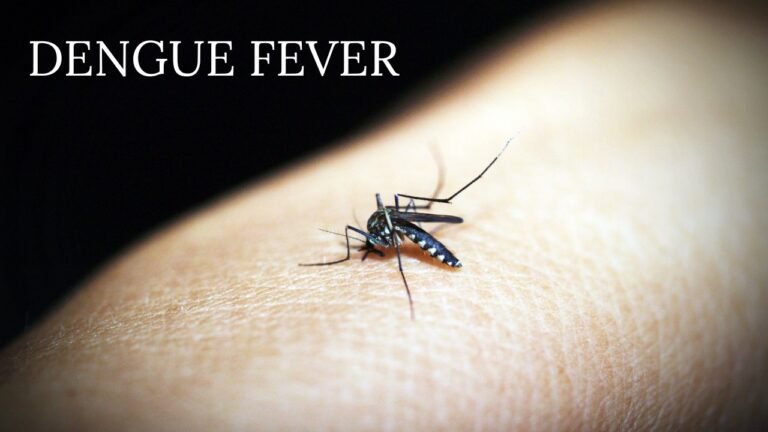
Dengue is a mosquito-borne viral infection caused by the dengue virus and spread through the bite of an infected Aedes aegypti mosquito. Unlike mosquitoes that bite mainly at night, Aedes mosquitoes bite during the daytime, especially in the early morning and before sunset. They breed in clean stagnant water, making homes, offices, schools, construction sites, and housing societies common breeding grounds.
Early Symptoms of Dengue
Dengue often begins like any other viral fever, making early diagnosis challenging.
Common symptoms include:
High fever
Severe headache
Pain behind the eyes
Muscle and joint pain
Extreme fatigue
Nausea or vomiting
Skin rash
Loss of appetite
Some patients recover after a few days. Others suddenly become critically ill. That is why every fever during dengue season deserves careful medical assessment.
Warning Signs You Should Never Ignore
Seek urgent medical care if you develop:
• Persistent vomiting
• Severe abdominal pain
• Bleeding from gums or nose
• Blood in vomit or stools
• Difficulty breathing
• Extreme weakness
• Restlessness
• Reduced urine output
• Cold, clammy hands and feet
• Confusion or excessive sleepiness
These symptoms may indicate severe dengue, which requires immediate hospital evaluation
Investigations: More Than Just the Platelet Count
One of the biggest myths surrounding dengue is that only the platelet count matters.
In reality, experienced physicians evaluate several parameters together.
Important investigations include:
Complete Blood Count (CBC)
Serial CBC tests help monitor:
• Platelet count
• White blood cell count
• Hematocrit (an important indicator of plasma leakage)
The trend over time is often more important than a single laboratory value.
Dengue NS1 Antigen
Most useful during the first five days of illness.
It helps diagnose dengue early.
Dengue IgM and IgG Antibodies
These tests become useful after the initial few days and help confirm infection.
Liver Function Tests
Liver involvement is common in dengue.
Kidney Function Tests
Especially important in dehydrated patients or severe illness.
Electrolytes
Repeated vomiting and poor oral intake can disturb electrolyte balance.
Ultrasound or Chest X-ray
Selected patients may require imaging to detect fluid accumulation around the lungs or abdomen,
suggesting plasma leakage.
Why Platelets Alone Should Not Decide Treatment
Perhaps the most common question asked by patients is:
“Doctor, my platelet count has fallen. Do I need platelet transfusion?”
In most cases, the answer is no.
Modern dengue management is based on:
• Clinical examination
• Hydration status
• Blood pressure
• Pulse rate
• Hematocrit trend
• Urine output
• Presence of bleeding
• Overall disease stage
Many patients recover safely without platelet transfusion, even when the platelet count is low.
Treating the patient—not just the laboratory report—is the cornerstone of good medical care.
Treatment of Dengue
There is no specific antiviral medicine that cures dengue.
Treatment focuses on supporting the body until the infection resolves.
For uncomplicated dengue:
• Drink plenty of fluids.
• Use oral rehydration solution (ORS).
• Get adequate rest.
• Take paracetamol for fever.
• Follow your doctor’s advice regarding repeat blood tests.
Avoid self-medicating with ibuprofen, diclofenac, aspirin, or other NSAIDs, as they can increase
the risk of bleeding.
Patients with warning signs may require:
• Hospital admission
• Intravenous fluids
• Frequent blood tests
• Intensive monitoring
• Blood products only when clinically indicated
The right amount of fluid at the right time is one of the most important aspects of dengue
treatment.
Can Dengue Be Prevented?
Absolutely.
Simple preventive measures remain highly effective.
Protect Yourself
• Apply mosquito repellent every day.
• Wear full-sleeved clothing.
• Use mosquito nets where appropriate.
• Install window screens.
Destroy Mosquito Breeding Sites
Every week:
• Empty coolers.
• Cover water tanks.
• Remove stagnant water.
• Clean flower pots.
• Dispose of old tyres and containers.
Remember:
The mosquito that spreads dengue can breed in water collected inside something as small
as a bottle cap.
Community participation is essential for preventing outbreaks
Why Consulting an Experienced Infectious Diseases Specialist Matters
Every fever is not dengue.
And every dengue patient does not need hospital admission.
The challenge lies in identifying the few patients who are likely to deteriorate before
complications occur.
An experienced Infectious Diseases specialist can:
• Differentiate dengue from malaria, chikungunya, leptospirosis, typhoid, influenza,
COVID-19, and other tropical infections.
• Recommend only the necessary investigations.
• Interpret changing laboratory reports correctly.
• Detect warning signs early.
• Prevent unnecessary platelet transfusions and hospital admissions.
• Optimise fluid therapy.
• Manage high-risk patients such as pregnant women, elderly individuals, children,
diabetics, and patients with kidney, liver, or heart disease.
Expert guidance not only improves outcomes but also reduces anxiety, unnecessary
investigations, and avoidable healthcare costs.
Frequently Asked Questions (FAQs)
Can dengue occur without a low platelet count?
Yes. Platelet counts may initially be normal. Clinical symptoms and serial blood tests are more
informative than a single platelet value.
Can I treat dengue at home?
Many patients can recover at home with proper medical supervision, adequate hydration, and
regular follow-up. However, anyone with warning signs should seek immediate medical care.
Should I take antibiotics for dengue?
No. Dengue is caused by a virus, so antibiotics do not treat the infection unless there is a separate
bacterial illness.
Can dengue happen more than once?
Yes. Infection with one dengue virus type does not provide complete protection against the other
types.
In fact, subsequent infections may sometimes carry a higher risk of severe diseaseLorem ipsum dolor sit amet, consectetur adipiscing elit. Ut elit tellus, luctus nec ullamcorper mattis, pulvinar dapibus leo.
Final Message
Dengue is one of the most common infectious diseases seen during the monsoon, yet it remains
one of the most misunderstood.
The focus should never be only on the platelet count. The real priorities are early diagnosis,
careful monitoring, appropriate investigations, timely fluid management, and recognising
warning signs before complications develop.
If you or a loved one develops fever during dengue season, don’t wait for the illness to become
severe. Seek medical advice early. Prompt evaluation by an experienced physician can make
treatment safer, recovery faster, and complications far less likely.
About Dr. Swapnil Gautam
Dr. Swapnil Gautam is an experienced Infectious Diseases and Travel Medicine Specialist
with expertise in managing dengue, malaria, leptospirosis, chikungunya, typhoid, HIV, and other
tropical infections. His evidence-based approach focuses on accurate diagnosis, personalised
treatment, and preventing complications through timely intervention—helping patients recover
safely while avoiding unnecessary investigations and treatments.