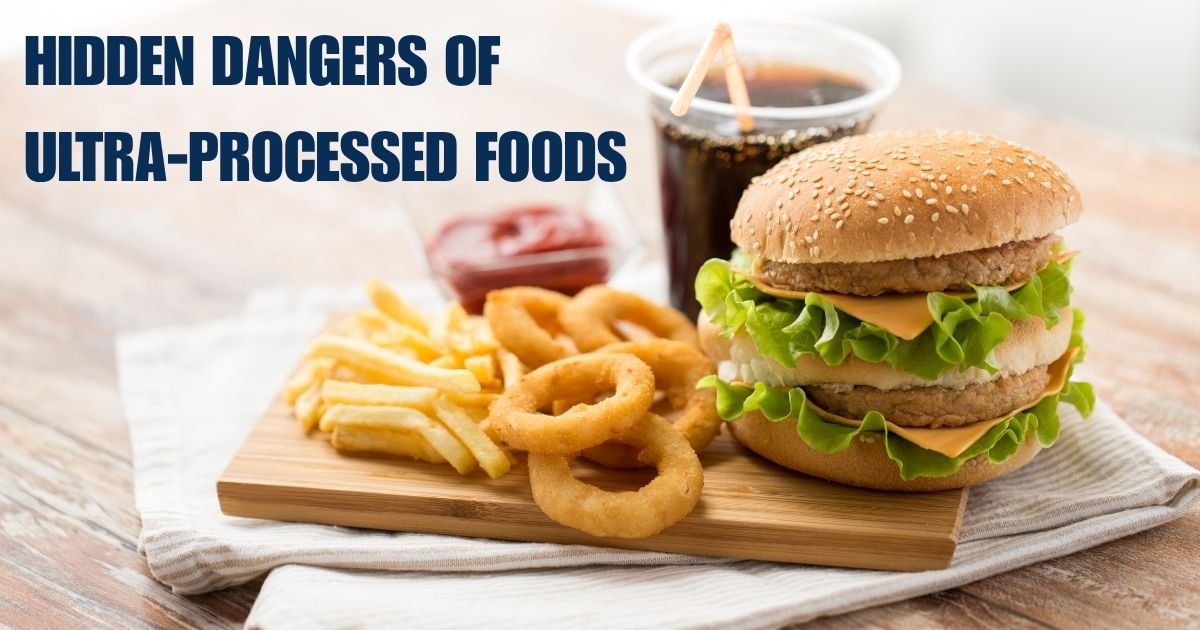
In our fast-paced, convenience-driven world, food has become more about speed and shelf life than sustenance.
From ready-to-eat noodles to packaged snacks and fizzy drinks, ultra-processed foods (UPFs) dominate supermarket shelves and urban diets.
But behind their glossy packaging and “health” claims lies a growing body of evidence linking them to obesity, diabetes, heart disease, cancer, and even mental health issues.
This article explores what ultra-processed foods are, how they harm our health, how to identify them from labels, and what healthier alternatives we can adopt.
What Exactly Are Ultra-Processed Foods?
The term “ultra-processed” comes from the NOVA classification, developed by Brazilian researchers to categorize foods by their degree of processing:
1. Group 1 – Unprocessed or Minimally Processed: Fresh fruits, vegetables, milk, eggs, grains, meat.
2. Group 2 – Processed Culinary Ingredients: Oils, butter, sugar, salt.
3. Group 3 – Processed Foods: Canned vegetables, cheese, bread made with few ingredients.
4. Group 4 – Ultra-Processed Foods (UPFs): Industrial formulations made mostly from refined ingredients, chemical additives, and little or no whole food.
Ultra-processed foods are typically designed for convenience, taste, and shelf stability — not nutrition. Common examples include:
– Packaged snacks (chips, cookies, namkeens)
– Soft drinks and sweetened juices
-Instant noodles and soups
– Flavoured breakfast cereals
– Packaged breads and buns
– Energy drinks, protein bars, flavoured yogurts
– Frozen ready meals, sausages, and processed meats
These foods are engineered for taste and addiction — a combination of high sugar, salt, and fat triggers our brain’s “reward” pathways, leading to overeating and dependency.
Health Risks Linked to Ultra-Processed Foods
1. Obesity and Metabolic Syndrome
UPFs are calorie-dense and nutrient-poor.
They often contain refined carbohydrates, trans fats, and added sugars — all of which spike blood glucose and insulin, promoting fat
storage.
A 2019 NIH study found that people consuming ultra-processed diets ate 500 extra calories per day and gained weight even when allowed to eat freely.
2. Type 2 Diabetes
UPFs increase insulin resistance through chronic inflammation, high glycemic load, and gut microbiome changes.
A French cohort study (NutriNet-Santé) showed that every 10% increase in UPF intake raised diabetes risk by 15%.
3. Cardiovascular Disease
Trans fats, high sodium, and additives like phosphates damage blood vessels and elevate blood pressure.
Regular consumption of processed meats and packaged snacks is linked with a higher risk of heart attack and stroke.
4. Cancer
Certain additives and preservatives (like sodium nitrite in processed meats) form carcinogenic compounds such as nitrosamines.
The WHO has classified processed meat as a Group 1 carcinogen, on par with tobacco.
5. Gut Microbiome Disturbance
UPFs disrupt the delicate balance of gut bacteria. Artificial sweeteners, emulsifiers, and low fiber content promote harmful bacteria, impairing immunity and digestion.
6. Mental Health Effects
Emerging evidence links high consumption of UPFs to depression and anxiety.
These foods rigger inflammation and affect brain neurotransmitters, while also depriving the body of essential nutrients like omega-3, B vitamins, and antioxidants.
7. Early Ageing and Mortality
Several large population studies show that a diet high in UPFs correlates with increased risk of premature death, largely due to chronic diseases and inflammation.
How to Identify Ultra-Processed Foods from Labels Food marketing can be deceptive.
Products labeled “healthy,” “high-protein,” “low-fat,” or “natural” may still be ultra-processed. Here’s how to spot them:
1. Check the Ingredient List
If a product contains more than 5–6 ingredients, especially ones you wouldn’t use at home, it’s likely ultra-processed. Look out for:
– Additives: stabilizers, emulsifiers, thickeners, flavour enhancers (E-numbers, gums)
– Artificial sweeteners: aspartame, sucralose, saccharin
– Refined flours: maida, corn starch, maltodextrin
– Hydrogenated oils or shortening
– Preservatives: sodium benzoate, nitrites, sorbates
– Colorants and flavouring agents
Tip: If the label reads like a chemistry experiment, it’s probably not real food.
2. Watch for Added Sugars
Sugar hides under many names — sucrose, dextrose, maltose, corn syrup, high-fructose syrup, jaggery powder, honey solids, etc.
Even “healthy” granola bars or fruit yogurts can have 3–4 teaspoons of sugar per serving.
3. Sodium Overload
Processed snacks, soups, and ready meals often exceed daily sodium limits (2,300 mg per day).
High sodium contributes to hypertension and kidney strain.
4. Low Fiber Content
UPFs are stripped of natural fiber. If a “whole grain” product lists refined flour or corn starch as the first ingredient, it’s misleading.
5. Health Halo Words
Be wary of marketing terms like:
– “Low-fat” (often compensated with more sugar)
– “Multigrain” (mostly refined grains)
– “Baked not fried” (still heavily processed)
– “Natural flavors” (often synthetic)
– “Fortified” (added nutrients after removing natural ones)
Healthier Substitutes and Smart Choices
You don’t have to overhaul your entire diet overnight — but gradual swaps can make a big difference.
1. Breakfast
Instead of: Flavoured cereals, instant oats, packaged smoothies
Choose: Rolled oats, homemade porridge, poha, upma, idli, or eggs with whole-grain toast
Tip: Add fruits and nuts for natural sweetness and fiber.
2. Snacks
Instead of: Chips, biscuits, namkeens, protein bars
Choose: Roasted makhana, nuts, seeds, chana, fruit slices, vegetable sticks with hummus
Tip: Keep healthy snacks visible; store junk food out of sight.
3. Drinks
Instead of: Cola, fruit juices, energy drinks, packaged iced teas
Choose: Water, coconut water, buttermilk, green tea, lemon water, black coffee
Tip: If craving fizz, try soda water with lime and mint.
4. Meals
Instead of: Instant noodles, frozen parathas, processed meats
Choose: Fresh home-cooked meals — dal-chawal, khichdi, whole-wheat roti with sabzi, or
grilled fish/chicken
Tip: Cook in bulk and refrigerate portions for convenience instead of relying on ready meals.
5. Desserts
Instead of: Packaged sweets, ice creams, chocolate spreads
Choose: Fresh fruits, dates, homemade kheer with jaggery, dark chocolate (≥70%)
Tip: Satisfy your sweet tooth mindfully — not mindlessly.
Building a Sustainable Healthy Eating Habit
1. Read Before You Eat: Make it a rule — no purchase without reading the ingredient list.
2. Cook More Often: Home cooking gives control over ingredients and portion size.
3. Shop the Perimeter: Supermarket outer aisles (produce, dairy, meat) have fewer UPFs than the central shelves.
4. Plan Ahead: Keep quick-fix healthy meals ready — vegetable soups, boiled eggs, salads.
5. Educate Children Early: Kids raised on processed snacks develop lifelong preferences; introduce whole foods young.
6. Moderation, Not Deprivation: The goal isn’t zero processed food, but awareness and balance — the 80:20 rule works well (80% real food, 20% indulgence).
The Bigger Picture: Health, Society, and the Planet
Ultra-processed foods not only harm individual health but also contribute to environmental degradation through high packaging waste, intensive resource use, and transportation emissions.
The global push for sustainable diets — like the EAT-Lancet Planetary Health Diet — emphasizes minimally processed, plant-based foods for both human and planetary well-being.
Moreover, rising lifestyle diseases in India — diabetes, hypertension, fatty liver — mirror the increase in UPF consumption in urban and semi-urban areas.
The fight against ultraprocessed foods is, therefore, both a public health priority and a personal responsibility.
In Conclusion
Ultra-processed foods are everywhere — colourful, convenient, and cleverly marketed — but the cost of convenience is steep.
They strip food of its natural goodness and quietly erode our health over time.
The key lies in recognition and replacement: reading labels, questioning marketing claims, and making mindful swaps toward real, wholesome food.
Each small choice — a bowl of dal over instant noodles, a fruit over a cookie — adds up to a healthier you and a healthier planet.
“If it came from a plant, eat it; if it was made in a plant, don’t.” — Michael Pollan