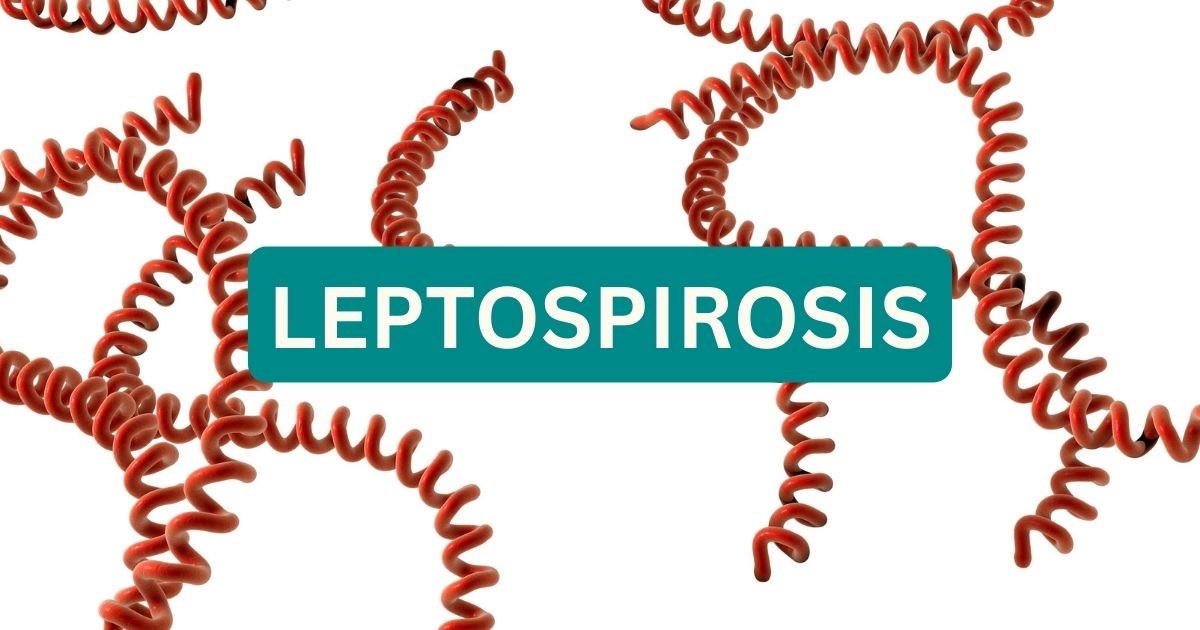
Leptospirosis is an often-overlooked but potentially life-threatening infectious disease caused by bacteria of the genus Leptospira.
Commonly seen in tropical and subtropical regions, it is closely linked to heavy rainfall, flooding, poor sanitation, and close contact
with animals.
In India, outbreaks frequently occur during the monsoon season, especially in urban areas with waterlogging or in rural communities with close exposure to livestock.
This blog will help you understand symptoms, diagnosis, treatment, and prevention strategies for leptospirosis in detail.
Understanding Leptospirosis:
Leptospirosis is a zoonotic disease, meaning it spreads from animals to humans.
Rats are the most common carriers, but dogs, cattle, pigs, and other animals may also harbor Leptospira in their kidneys, shedding the bacteria into the environment through urine.
Humans acquire infection when they come into contact with contaminated water, mud, or soil through cuts in the skin, mucous membranes, or sometimes by ingestion.
Because the symptoms can mimic other monsoon illnesses like dengue, malaria, or influenza, leptospirosis is often underdiagnosed and requires a high degree of clinical suspicion.
Symptoms of Leptospirosis:
The incubation period ranges from 2 to 30 days (commonly 7–14 days). The disease has a biphasic presentation:
1. Initial (Septicemic) Phase
– Sudden onset high fever and chills
– Severe muscle pain, especially in calves and lower back
– Headache and retro-orbital pain
– Nausea, vomiting, and abdominal discomfort
– Conjunctival suffusion (red eyes without discharge) – a classic but often overlooked sign
– Skin rashes in some cases
This stage lasts 4–7 days and may resolve spontaneously, or progress to more severe illness.
2. Immune Phase (Complicated Leptospirosis)
Some patients develop organ involvement, also called Weil’s disease or severe leptospirosis, which is life-threatening. Key features include:
– Jaundice (yellowing of eyes and skin) due to liver dysfunction
– Renal failure – reduced urine output, electrolyte imbalance
– Pulmonary hemorrhage – coughing blood, shortness of breath
– Meningitis – stiff neck, altered sensorium
– Hypotension and shock in severe sepsis
– Mortality in severe cases can range from 5–15%, especially without timely treatment.
Diagnosis of Leptospirosis:
Since symptoms resemble other tropical fevers, laboratory confirmation is critical.
1. Clinical suspicion
– History of exposure to flood water, sewage, or animal urine during monsoon
– Sudden fever with calf pain and conjunctival suffusion
2. Laboratory Tests
– Complete blood count (CBC): Leukocytosis or leukopenia, thrombocytopenia
– Renal & liver function tests: Elevated creatinine, urea, bilirubin, and transaminases
– Urine analysis: Proteinuria, hematuria
3. Specific Diagnostic Tests
– Microscopic Agglutination Test (MAT): Gold standard; detects antibodies
– ELISA (IgM): Widely used, detects antibodies after 5–7 days of illness
– PCR for Leptospira DNA: Detects infection early, highly sensitive
– Culture: Rarely done in routine practice due to slow growth
4. Imaging
Chest X-ray may show pulmonary hemorrhage or ARDS-like picture
– Ultrasound may reveal renal involvement
– Timely testing is essential because early treatment reduces complications.
Treatment of Leptospirosis
Early recognition and prompt initiation of antibiotics are key to survival.
1. Mild Leptospirosis
– Oral antibiotics
– Doxycycline 100 mg twice daily for 7 days (contraindicated in pregnancy and children under 8 years)
– Amoxicillin or azithromycin as alternatives
2. Severe Leptospirosis
– Intravenous antibiotics
– IV Penicillin G (preferred in many guidelines)
– IV Ceftriaxone or IV Cefotaxime – equally effective and commonly used
Supportive care
– Dialysis for renal failure
– Ventilatory support in pulmonary hemorrhage or ARDS
– IV fluids and electrolyte balance
3. Adjunctive Therapies
– Corticosteroids may help in severe pulmonary involvement (used in select cases).
– Multidisciplinary care involving infectious disease physicians, nephrologists, and critical care specialists often improves outcomes.
Prevention of Leptospirosis
Since leptospirosis is primarily an environmental and occupational hazard, prevention strategies target reducing exposure and breaking the chain of transmission.
1. Personal Protective Measures
– Avoid wading through floodwater, especially with open cuts or wounds
– Wear protective boots and gloves when working in flooded fields or sewage areas
– Maintain good personal hygiene – wash thoroughly after exposure to water or mud
2. Community-Level Interventions
– Improve sanitation and waste management to reduce rodent populations
– Drain stagnant water promptly after rains
– Public awareness campaigns during monsoon
3. Chemoprophylaxis
Doxycycline prophylaxis (200 mg once weekly) is recommended for high-risk groups such as relief workers, sewage workers, and farmers during monsoon season in endemic areas.
4. Vaccination
Human vaccines are available in some countries (e.g., Cuba, China) but not widely used globally due to limited serovar coverage.
Animal vaccination (dogs, cattle) is an important preventive strategy to reduce transmission to humans.
Why Awareness Matters in India
In India, leptospirosis is underreported because many cases are misdiagnosed as dengue, malaria, or viral hepatitis.
States like Maharashtra, Kerala, Gujarat, Tamil Nadu, and Karnataka frequently report outbreaks during monsoon.
Awareness among doctors, healthcare workers, and the general public is crucial for:
– Early identification
– Timely treatment
– Reducing mortality and complications
– Public health departments issue advisories during monsoons, but individual precautions remain the strongest line of defense.
Key Takeaways
1. Leptospirosis is a bacterial infection transmitted through contaminated water, especially during monsoons.
2. Symptoms range from mild fever and body ache to severe jaundice, kidney failure, and lung hemorrhage.
3. Early diagnosis requires high suspicion and confirmatory tests like ELISA or PCR.
4. Treatment with antibiotics such as doxycycline, penicillin, or ceftriaxone can save lives if started early.
5. Prevention through sanitation, rodent control, protective measures, and chemoprophylaxis is vital.
Conclusion:
Leptospirosis remains a neglected tropical disease, but its impact on public health is significant, particularly in monsoon-prone countries like India.
The good news is that with early recognition, prompt treatment, and preventive measures, most cases can be managed successfully, and mortality drastically reduced.
As climate change and urban flooding increase the risk of waterborne diseases, creating awareness about leptospirosis among both healthcare providers and the community is the need of the hour.
By staying alert to symptoms, seeking medical help promptly, and following preventive practices, we can collectively reduce the burden of this silent yet deadly infection.